The LVH Art Guide to Venice

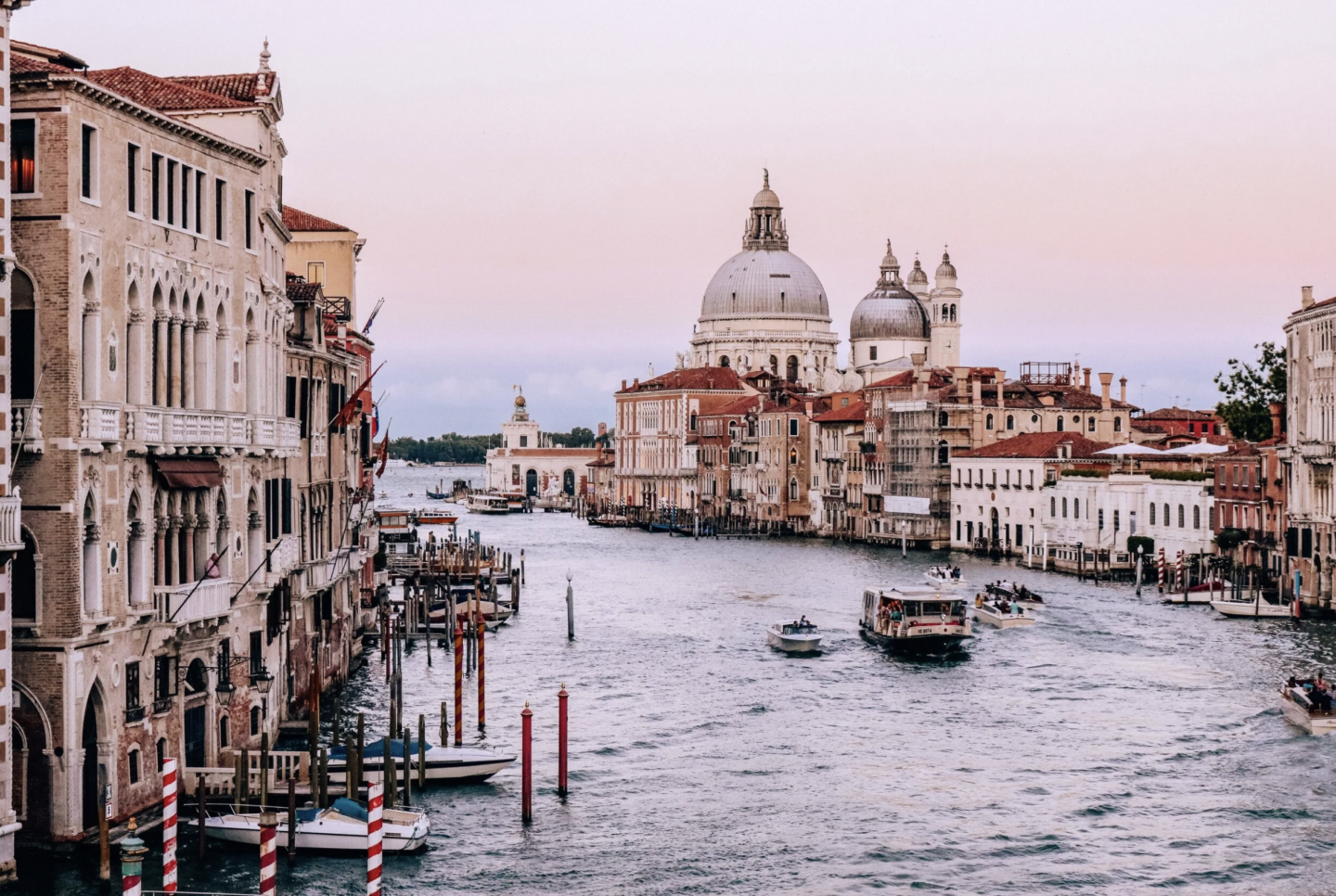
Every two years, Venice becomes the centre of the international art world as La Biennale di Venezia opens its International Art Exhibition. For 2026, the 61st edition, In Minor Keys, brings renewed attention to the city, joined by museums, palazzi, private foundations and national pavilions across Venice. The LVH Art Guide to Venice highlights the key exhibitions, installations and presentations to experience during this defining cultural moment.
Exhibitions and Foundations Across the City
Vincenzo De Cotiis Foundation, Palazzo Giustinian Lolin
Minimal Legends
On view until 3 October 2026, by appointment only
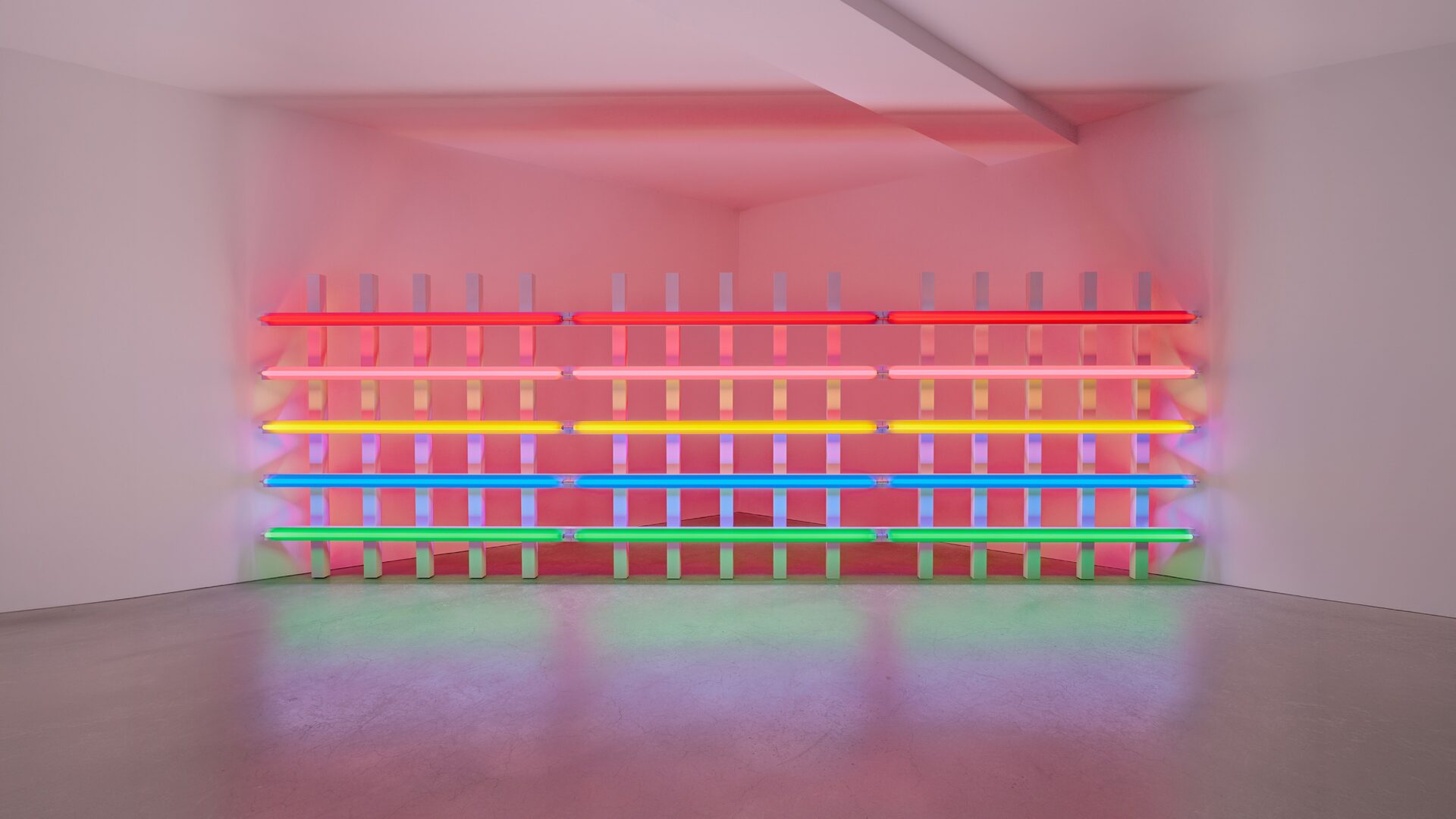
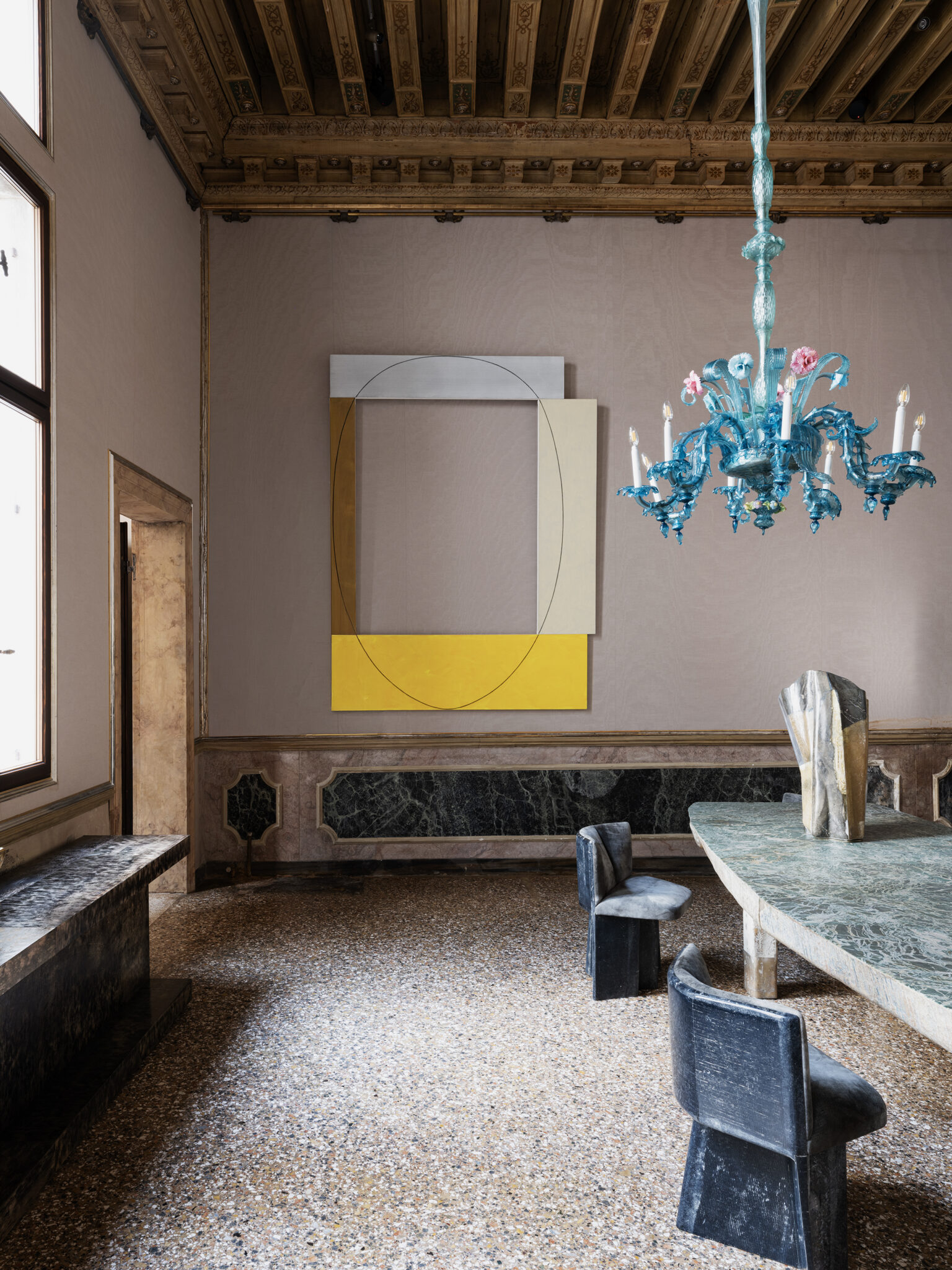
Minimal Legends occupies the richly layered interiors of the Vincenzo De Cotiis Foundation at Palazzo Giustinian Lolin, a landmark palazzo overlooking the Grand Canal. Co-curated by Claudia Rose De Cotiis and Lawrence van Hagen, the exhibition brings together works by seminal figures of Minimalism in dialogue with the practice of Vincenzo De Cotiis. Donald Judd, Carl Andre, Agnes Martin, Frank Stella, Sol LeWitt, Dan Flavin and Richard Serra are among the artists on view. Rather than a historical survey, the show considers Minimalism as a living lineage.
Palazzo Grassi, Pinault Collection
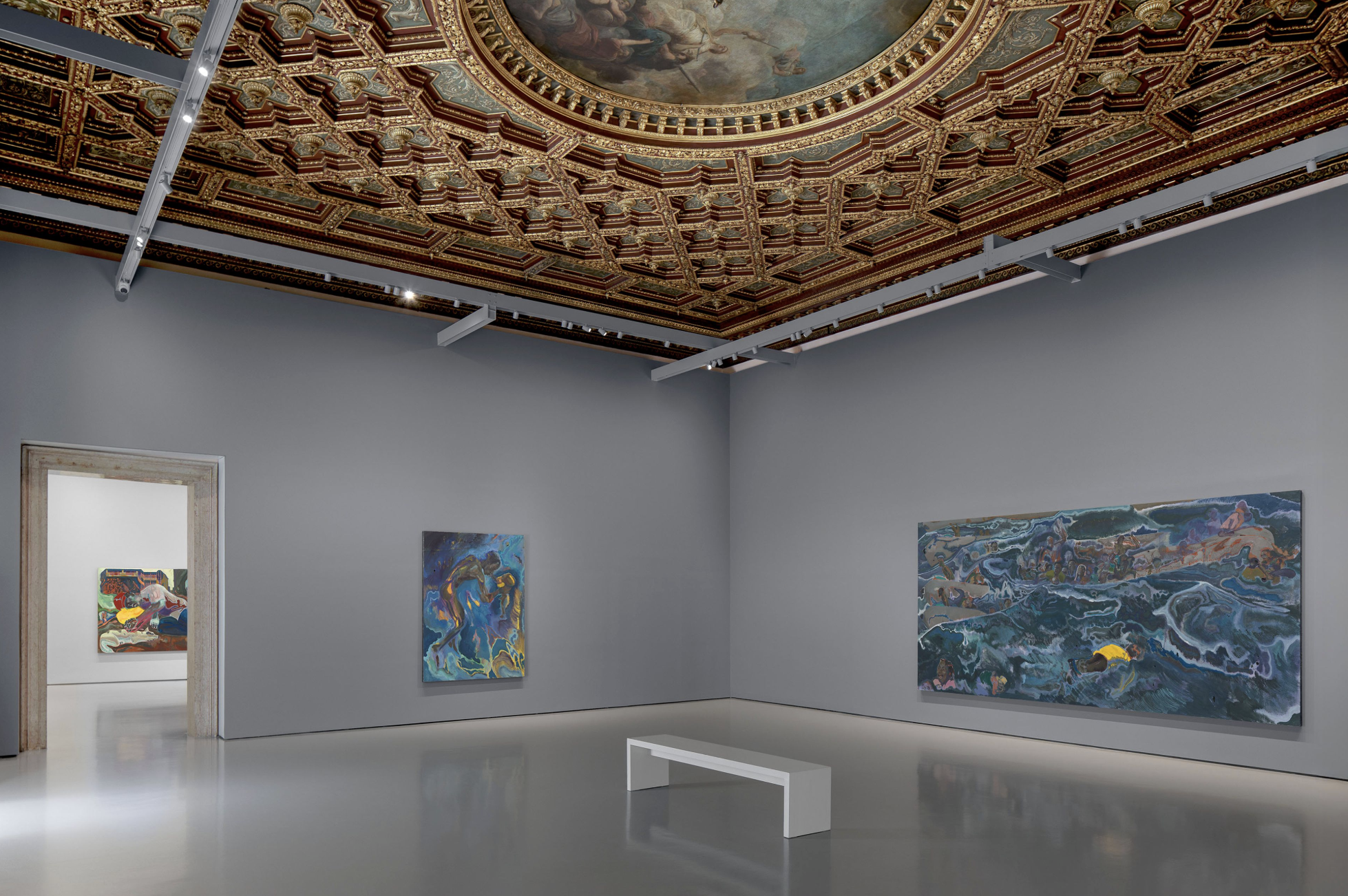
Michael Armitage: The Promise of Change
On view until 10 January 2027
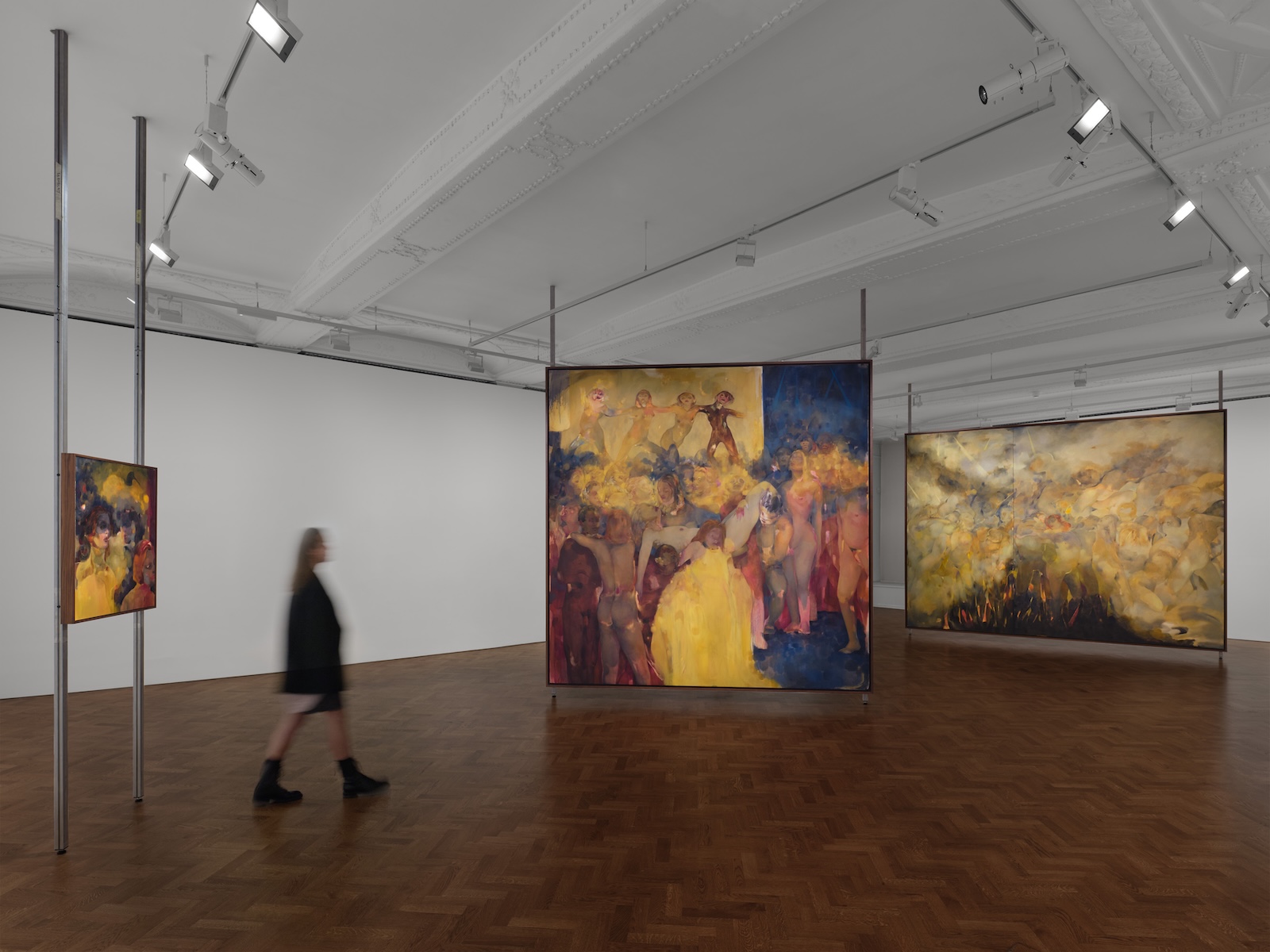
The Promise of Change at Palazzo Grassi, Pinault Collection is the most comprehensive survey of Michael Armitage’s work to date. Born in Nairobi in 1984, Armitage paints in oil on lubugo, a Ugandan bark cloth marked by natural holes, creases and textures that shape each composition. His charged images draw on East African life, political memory, mythology and the history of art. At forty-two, Armitage belongs to a younger generation than many of the artists typically granted a solo exhibition of this scale at Palazzo Grassi, where previous painting-focused presentations have included Marlene Dumas and Luc Tuymans. Curated by Jean-Marie Gallais, the exhibition unfolds across two levels of the palazzo.
Punta della Dogana, Pinault Collection
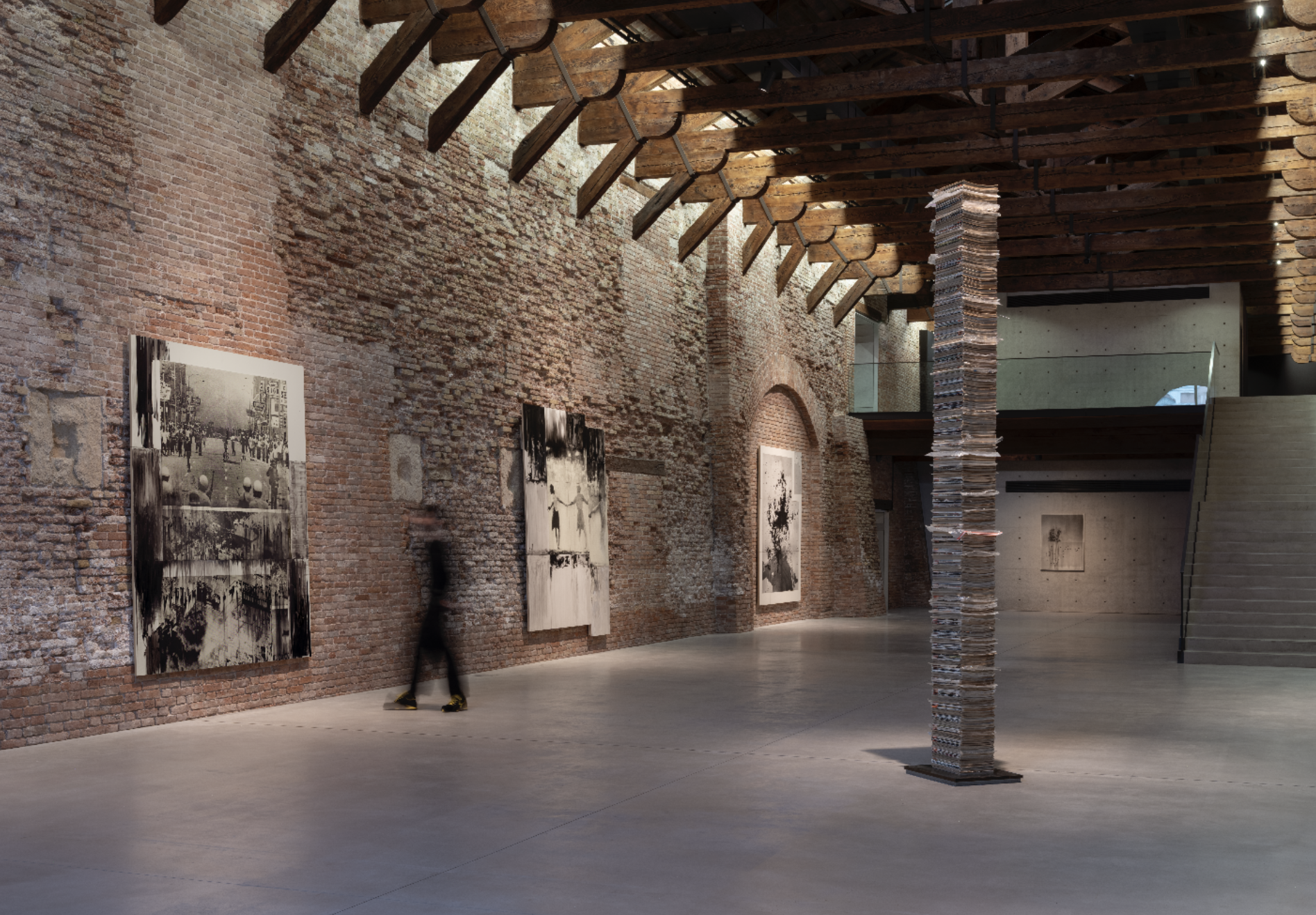
Lorna Simpson: Third Person
On view until 22 November 2026
Curated by Emma Lavigne and organised in partnership with the Metropolitan Museum of Art, Third Person is Lorna Simpson’s most significant European presentation in over a decade. The exhibition is conceived for the spaces of Punta della Dogana, the historic former customs house restored by Tadao Ando for the Pinault Collection. Born in Brooklyn in 1960, Simpson first rose to prominence in the mid-1980s with conceptual photography that combined image and text to question how race, gender and identity are represented. Bringing together around fifty works, the exhibition spans painting, collage, sculpture and film alongside the photographic practice for which she first gained recognition.
SMAC Venice
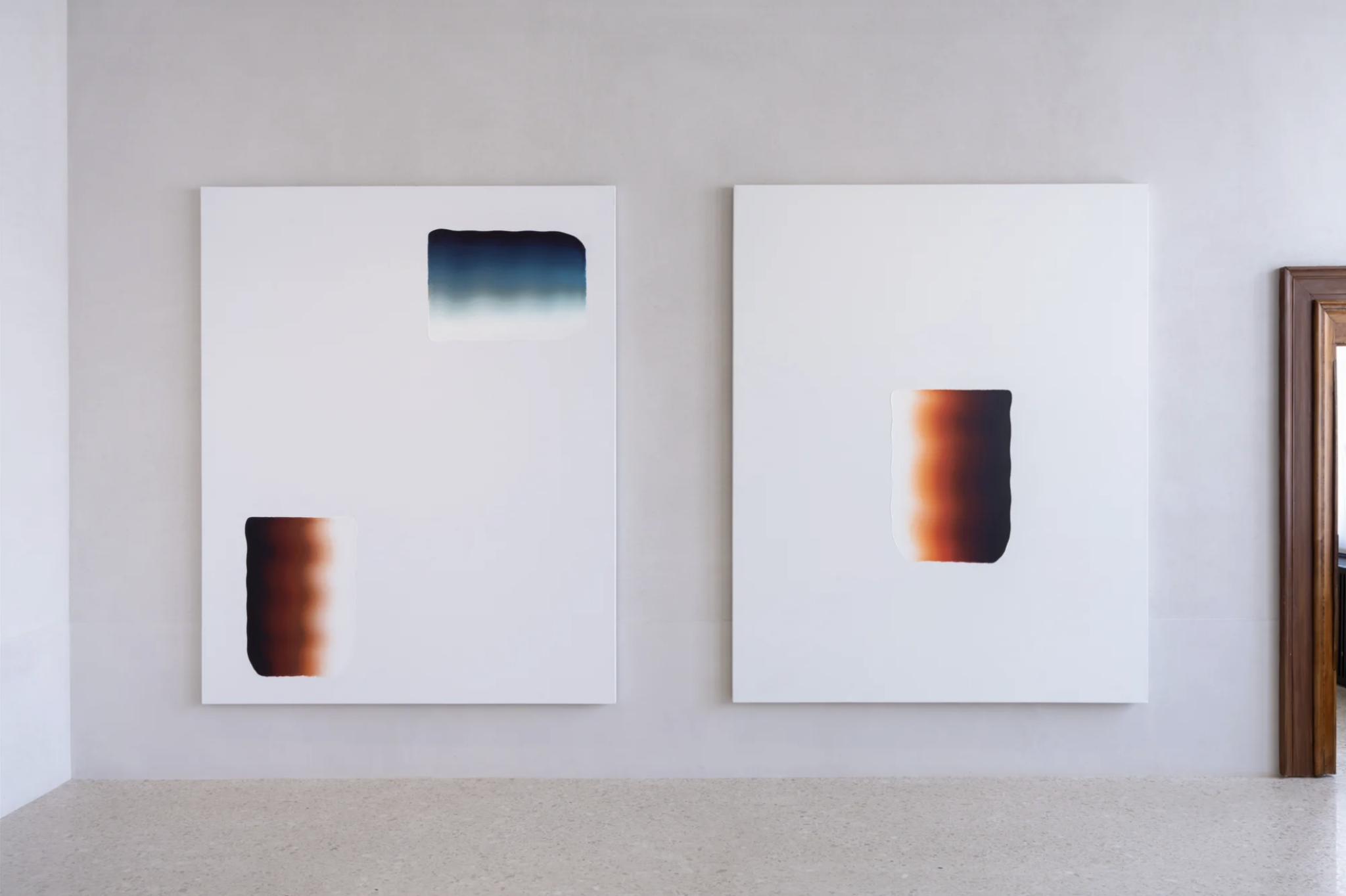
Lee Ufan
On view until 22 November 2026
Presented by Dia Art Foundation and curated by Jessica Morgan, Lee Ufan marks the artist’s 90th birthday with a landmark solo exhibition across eight galleries at SMAC Venice, in the Procuratie on Piazza San Marco. Developed in close partnership with the artist, the exhibition explores works from more than seven decades of his practice, including historical and new paintings, large-scale installations and a new site-specific commission. A central figure in both Mono-ha and Dansaekhwa, Lee works with spare painterly gestures and elemental materials such as stone, steel, and sand, creating quiet but powerful encounters between object, space and perception.

Ca’ Pesaro, Galleria Internazionale d’Arte Moderna
Jenny Saville a Ca’ Pesaro
On view until 22 November 2026
Jenny Saville a Ca’ Pesaro is the first major exhibition of the artist’s work in Venice, curated by Elisabetta Barisoni and supported by Gagosian. Bringing together more than thirty canvases and works on paper from the early 1990s to the present, it traces the development of a practice profoundly grounded in the history of painting. Within the Galleria Internazionale d’Arte Moderna, Saville’s monumental figures enter into conversation with the great Venetian masters she has long studied, creating an encounter between contemporary painting and the city’s artistic heritage.
Fondazione Prada, Ca’ Corner della Regina
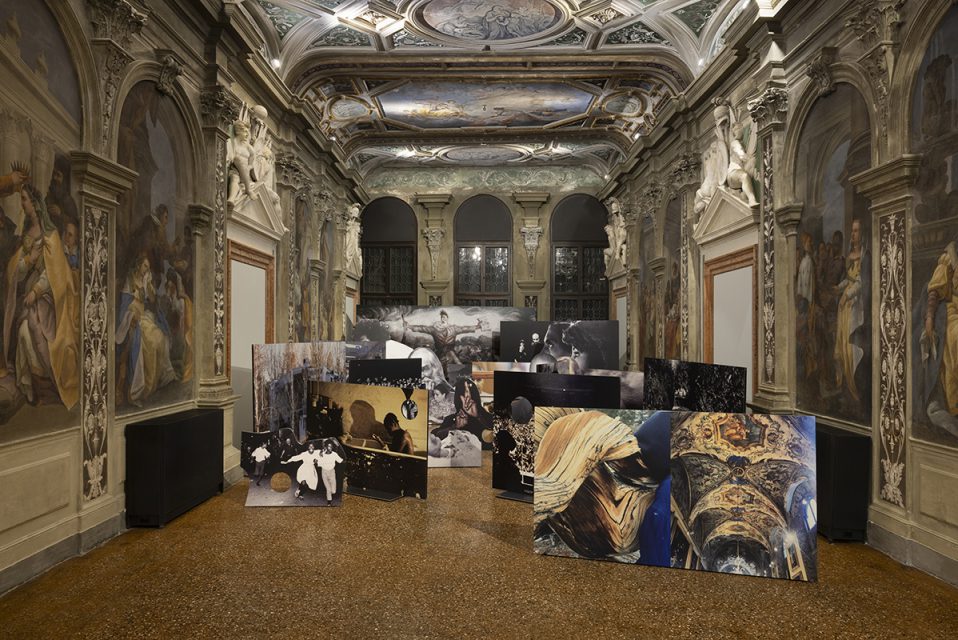
Helter Skelter: Arthur Jafa and Richard Prince
On view until 23 November 2026
Helter Skelter is curated by Nancy Spector and stages the first creative dialogue between Arthur Jafa and Richard Prince, two artists whose practices are rooted in the use of found images and cultural material. Displayed across the floors of Ca’ Corner della Regina, the exhibition unites more than fifty photographs, videos, sculptures and paintings in a sequence of thematic juxtapositions. The show looks at how both artists borrow, reframe and disrupt images from mass media, film, advertising and popular culture, using them to examine race, masculinity, violence and the darker undercurrents of American life.
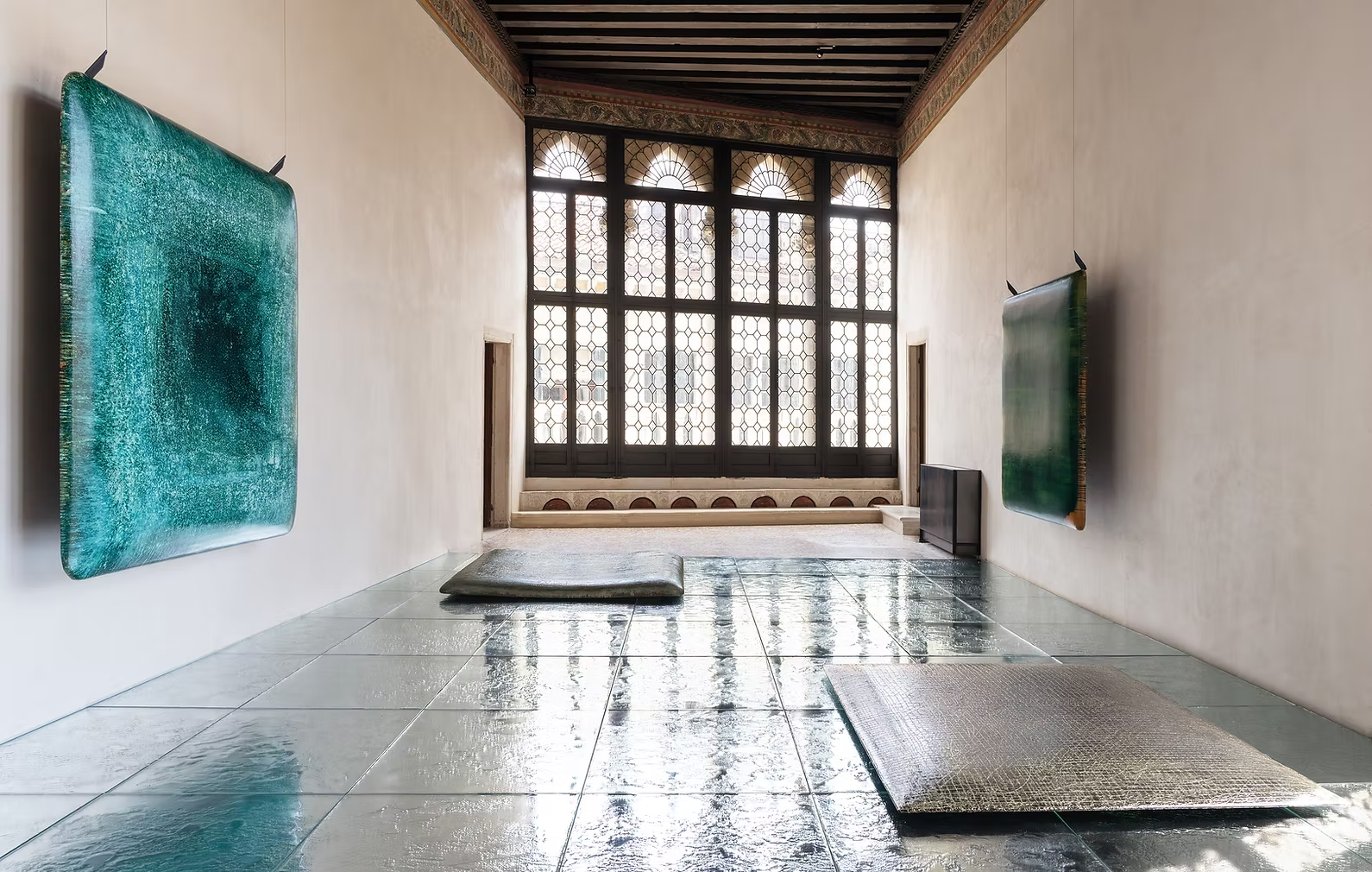
Palazzo Soranzo Van Axel
Su Xiaobai’s Alchemical Universe
On view until 22 November 2026
Su Xiaobai’s Alchemical Universe fills the historic rooms of Palazzo Soranzo Van Axel, a late-Gothic palace in Cannaregio. Presented by the Su Xiaobai Foundation with LACMA and curated by Stephen Little, the exhibition traces Su Xiaobai’s practice through around thirty-five works in natural lacquer, ranging from his early experiments with the medium to new paintings created specifically for Venice. Since 2003, Su has worked almost exclusively with natural lacquer, transforming a material traditionally associated with ritual objects and Chinese craftsmanship into a language of contemporary abstraction.
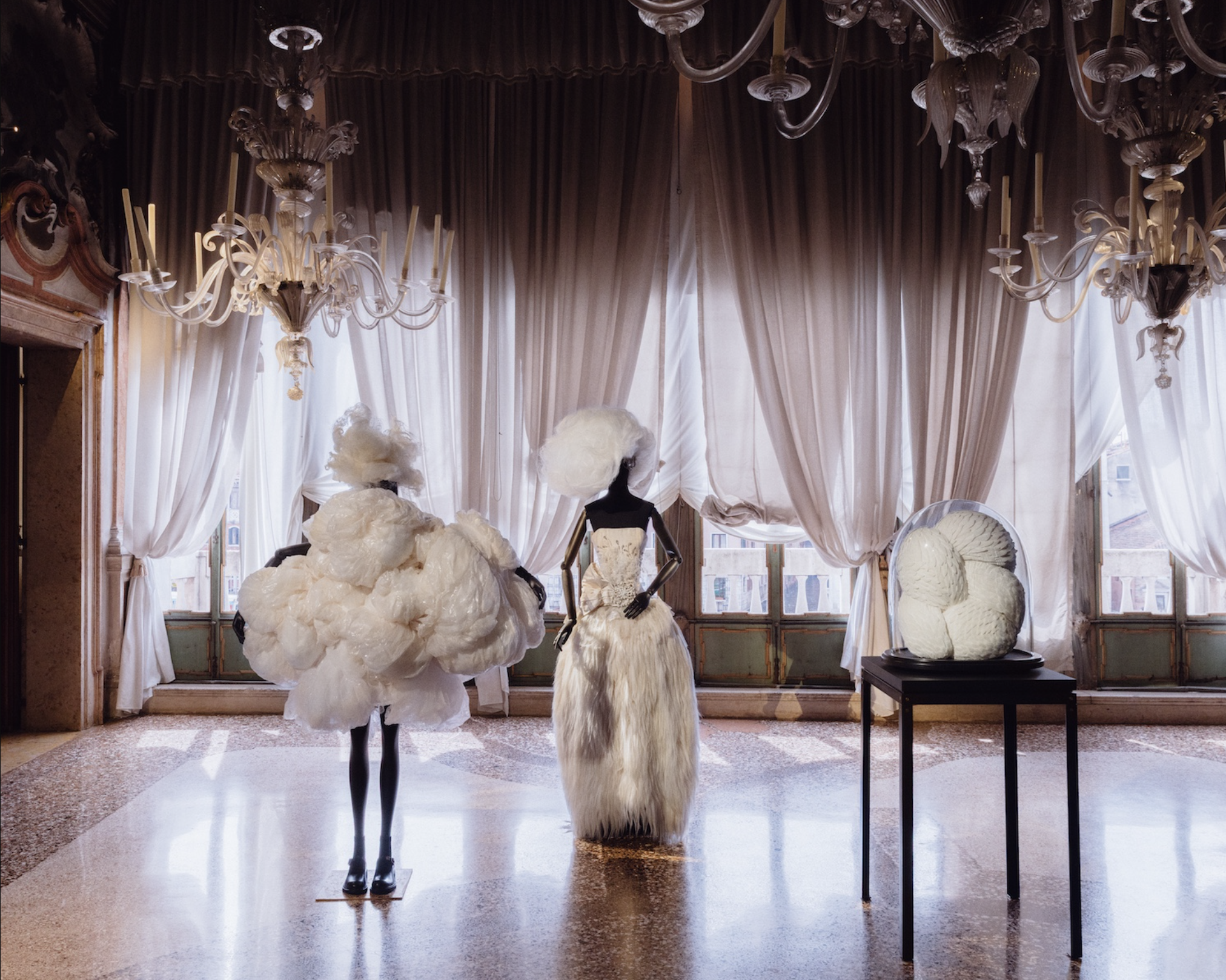
Fondazione Dries Van Noten, Palazzo Pisani Moretta
The Only True Protest Is Beauty
On view until 4 October 2026
The Only True Protest Is Beauty inaugurates the Fondazione Dries Van Noten within Palazzo Pisani Moretta, a 15th-century palace on the Grand Canal. Curated by the designer with Geert Bruloot, the exhibition brings together more than two hundred works of fashion, art, jewellery, design and photography across twenty rooms. Its title draws on a line by the songwriter Phil Ochs, framing beauty not as mere prettiness but as a force capable of provocation, reflection and transformation. Moments of harmony are deliberately interrupted by dissonance, giving the show its quietly radical character.
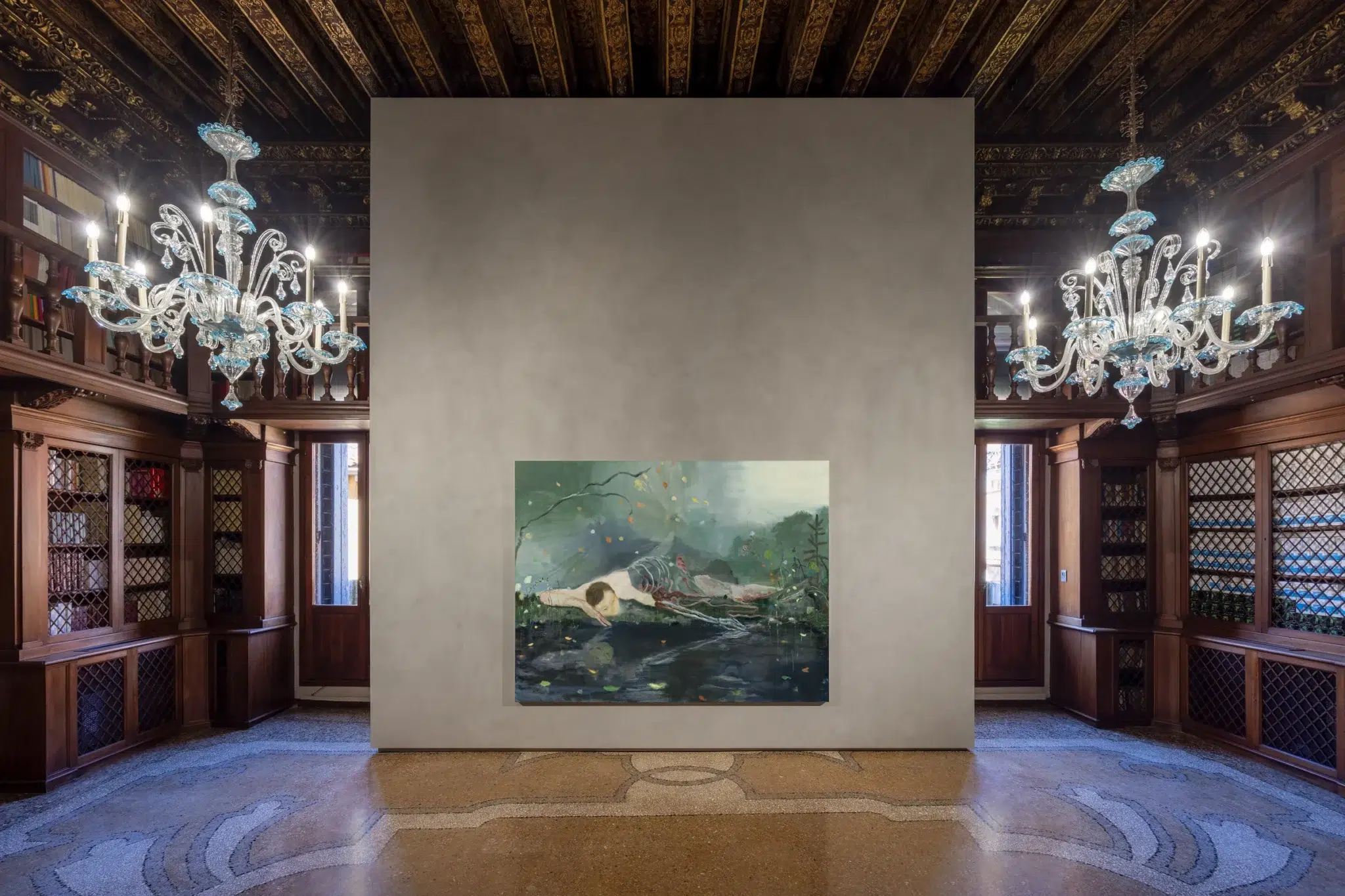
Istituto Veneto di Scienze, Lettere ed Arti, Palazzo Loredan
Sanya Kantarovsky: Basic Failure
On view until 22 November 2026
Basic Failure extends Sanya Kantarovsky’s interdisciplinary practice into the atmospheric setting of Palazzo Loredan. The exhibition features a group of paintings and ceramic works alongside a sculpture realised with a Murano glass studio. Born in Moscow and based in New York, Kantarovsky works across painting, drawing, sculpture and installation, often using the figure as a site of emotional and spiritual tension. His figures appear fragile, theatrical and psychologically charged, moving between vulnerability, alienation and the darker edges of human experience.
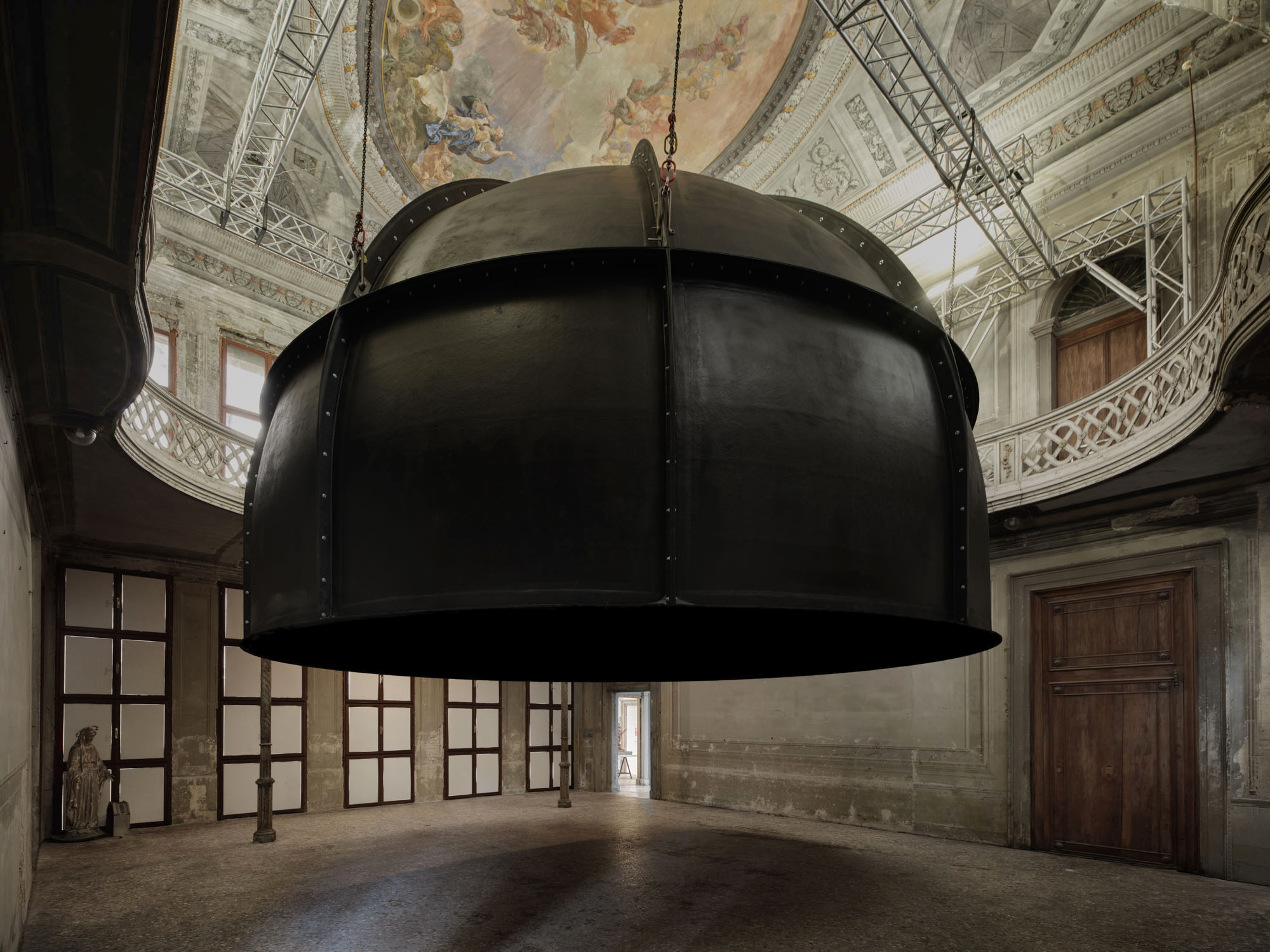
Palazzo Manfrin
Anish Kapoor
On view until 8 August 2026
Anish Kapoor reopens Palazzo Manfrin, the 16th-century Cannaregio landmark that houses the artist’s foundation, for only the second time to the public. Conceived around his enduring idea of sculpture as potential architecture, the exhibition features nearly one hundred architectural models made across five decades of practice. These are shown alongside large-scale installations and mirror-polished stainless-steel sculptures, including the seminal Descent into Limbo (1992). The exhibition opens with a monumental black-pigment version of Kapoor’s At the Edge of the World (1998), an eight-metre-wide work suspended above the entrance.
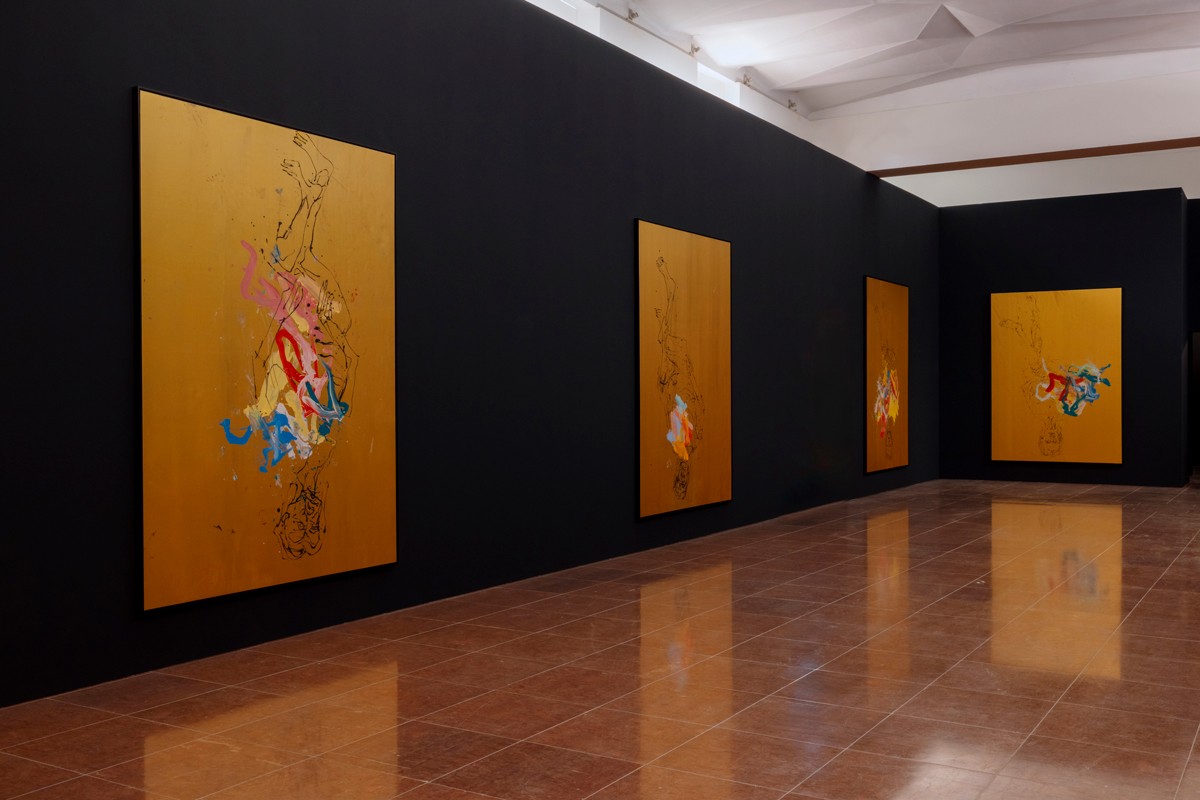
Fondazione Giorgio Cini
Georg Baselitz: Eroi d’Oro
On view until 27 September 2026
Eroi d’Oro presents a final series of monumental paintings by Georg Baselitz, one of the foremost German artists of the post-war era, and the last exhibition he prepared before his passing in April 2026. Staged at the Fondazione Giorgio Cini on the island of San Giorgio Maggiore, the canvases set nude figures, self-portraits, and repeated depictions of Elke, Baselitz’s wife, against flat grounds of gold. Curated by Luca Massimo Barbero in partnership with Galerie Thaddaeus Ropac, the exhibition reads as the artist’s own conclusion to more than sixty years of work.
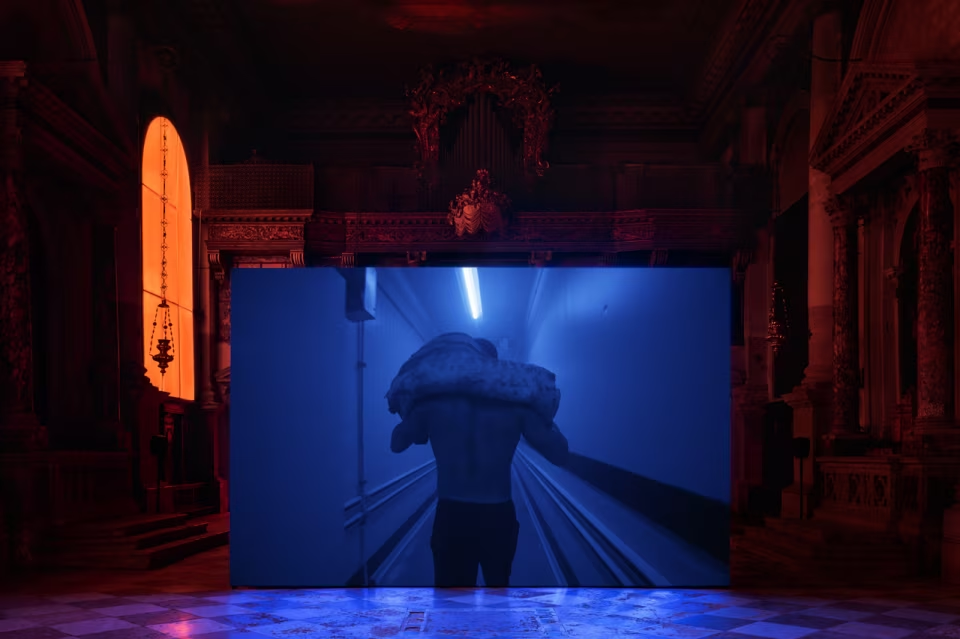
Complesso dell’Ospedaletto
Canicula
On view until 22 November 2026
Curated by Alessandro Rabottini and Leonardo Bigazzi, Canicula is a group exhibition organised by Fondazione In Between Art Film. The exhibition stages eight new site-specific video installations by Lawrence Abu Hamdan, Massimo D’Anolfi and Martina Parenti, Roman Khimei and Yarema Malashchuk, Janis Rafa, P. Staff, Wang Tuo, Yuyan Wang and Maya Watanabe. Taking its title from the Latin term for the “dog days” of summer, the show explores extreme light, heat and pressure as metaphors for the instability of the present moment, from image overload and distorted information to environmental and political tension.
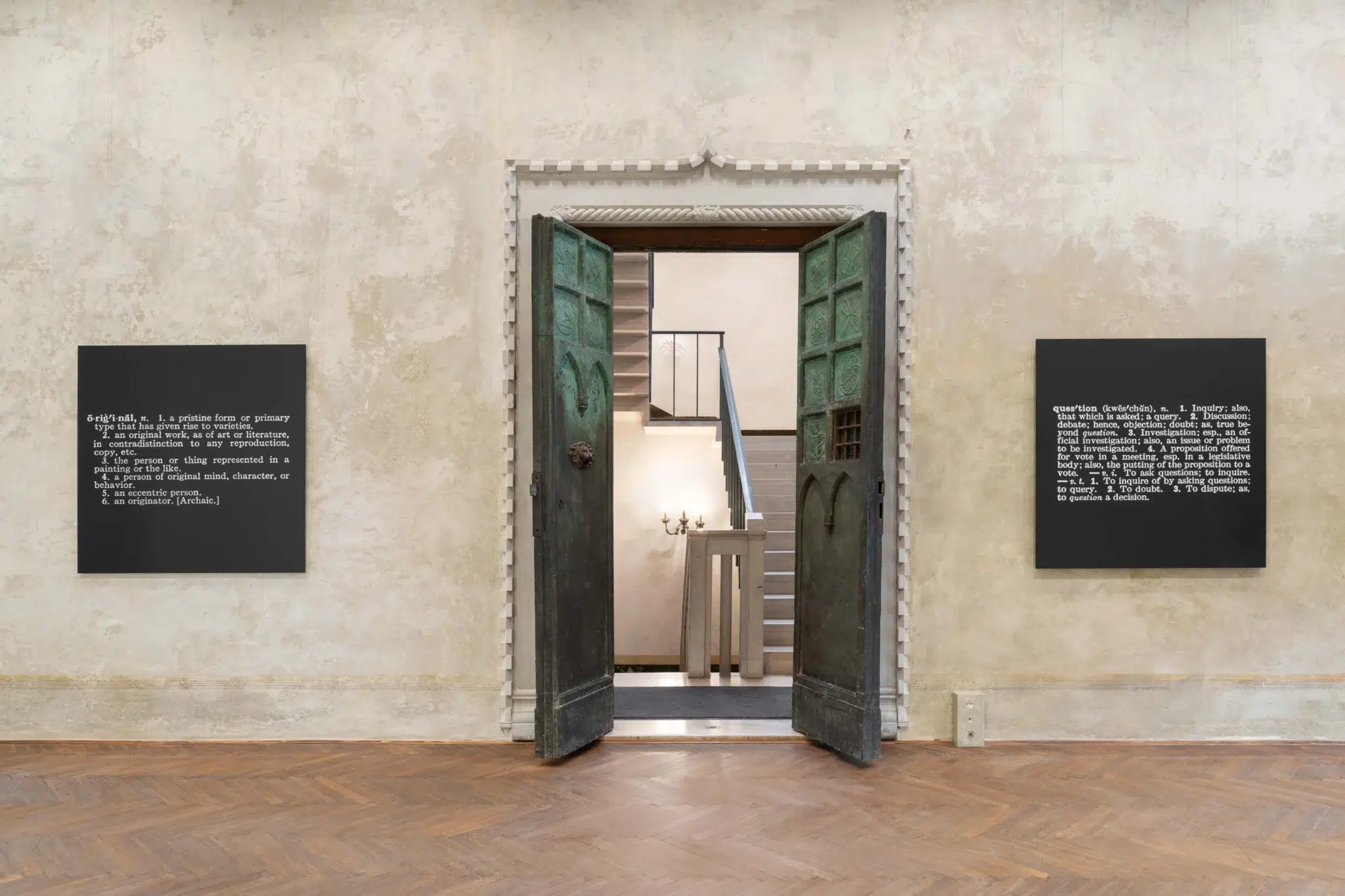
Casa dei Tre Oci, Berggruen Institute Europe
Joseph Kosuth: The-exchange-value-of-language-has-fallen-to-zero
On view until 22 November 2026
The-exchange-value-of-language-has-fallen-to-zero presents a major tribute to Joseph Kosuth, one of the central figures of Conceptual art. Curated by Mario Codognato and Adriana Rispoli, the exhibition places key works from the 1960s and 1970s in dialogue with a newly commissioned neon installation, tracing Kosuth’s lifelong use of language as artistic material. Installed at Casa dei Tre Oci, the show examines how words, objects and images produce meaning, from early works such as One and Three Mirrors and Clock – One and Five to later projects that extend his ideas into public and architectural space.
The Biennale and National Pavilions
Venice Biennale, Giardini and Arsenale
61st International Art Exhibition: In Minor Keys
On view until 22 November 2026
The 61st International Art Exhibition, In Minor Keys, carries forward the vision of Koyo Kouoh, who defined its framework, title and selection of artists before her passing in May 2025. Realised by her team across the Giardini, the Arsenale and venues throughout Venice, the exhibition brings together 111 participants from many geographies, with particular attention to the Global South. Rather than presenting a single grand statement, In Minor Keys invites close attention to quieter voices, minor histories and forms of resistance that often sit at the edge of dominant narratives.
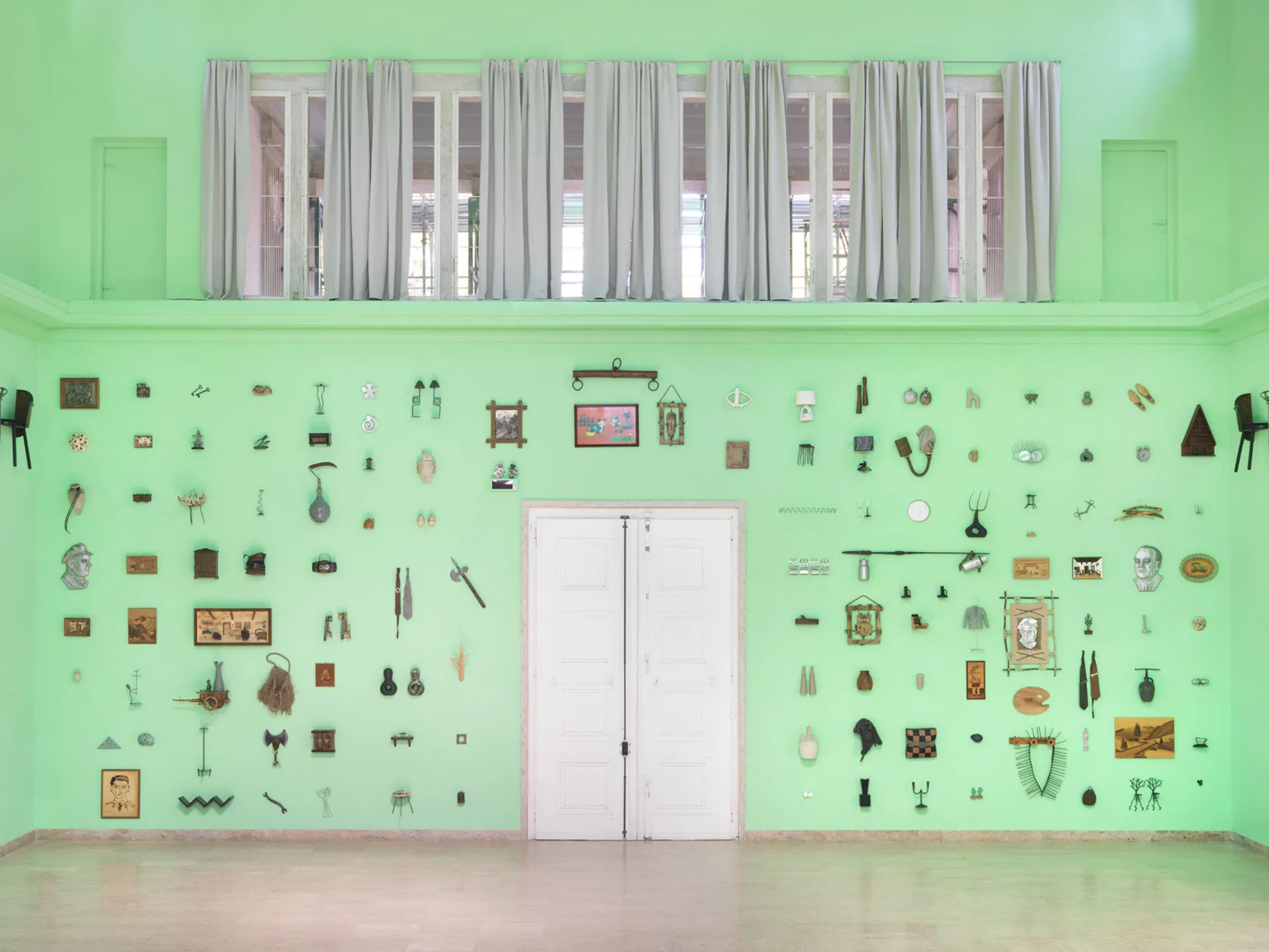
Germany Pavilion, Giardini
Ruin
On view until 22 November 2026
Ruin places in dialogue the work of Sung Tieu and Henrike Naumann to examine collapse in both architectural and political terms. On the pavilion’s facade, Tieu creates a trompe l’oeil mosaic that refers to the prefabricated Berlin housing blocks where many Vietnamese contract workers lived in the former East Germany. Inside, Naumann’s work turns to the legacy of East German domestic interiors, showing how furniture, design and everyday objects can carry traces of ideology, nationalism and social breakdown. Curated by Kathleen Reinhardt, the pavilion was completed after Naumann’s death in February 2026, in close collaboration with her studio team.
Austria Pavilion, Giardini
Seaworld Venice
On view until 22 November 2026
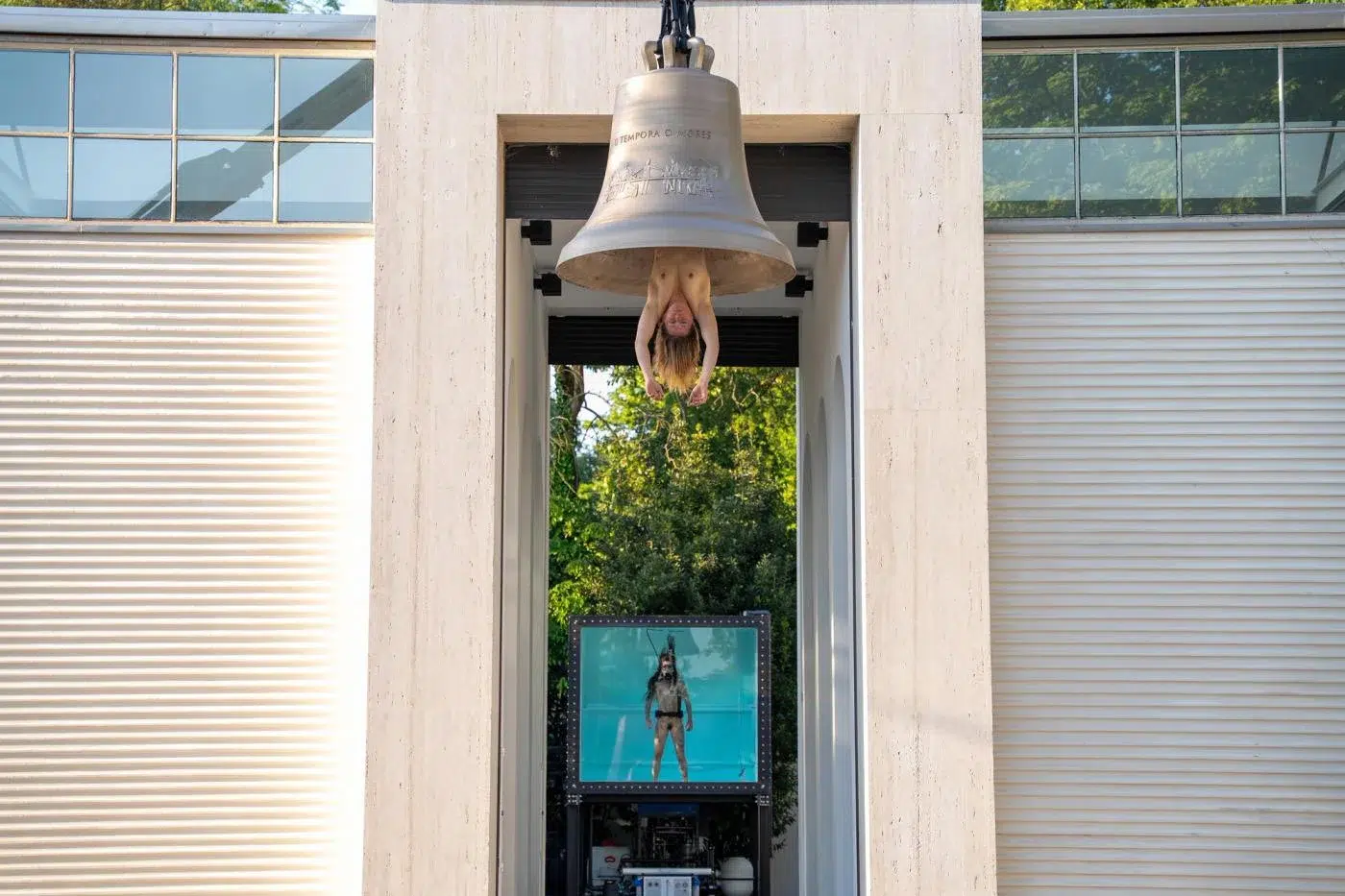
Seaworld Venice is one of the most discussed pavilions of the Biennale, transforming the Austrian Pavilion into an immersive environment shaped by water, machinery, sound and live performance. Conceived by Florentina Holzinger and curated by Nora-Swantje Almes, the exhibition draws on the language of theme parks, treatment plants and ritual spaces to create a pavilion that feels constantly active. At the entrance, a large bell suspended from a crane is rung every hour by a performer hanging beneath it. Through these staged actions and industrial elements, Holzinger connects the body, spectacle and the climate crisis in a work that is deliberately physical and unsettling.
India Pavilion, Arsenale
Geographies of Distance: remembering home
On view until 22 November 2026
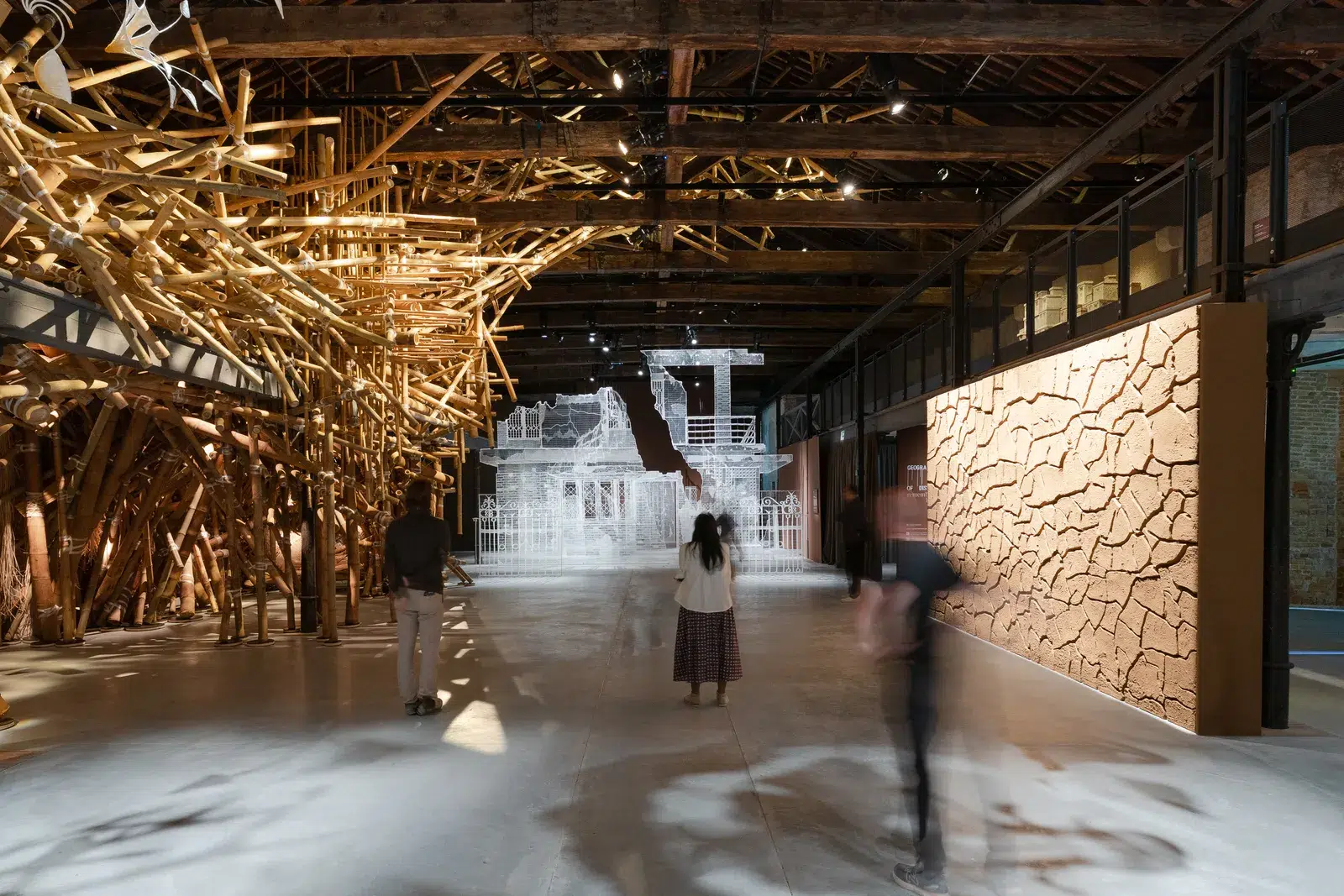
Geographies of Distance: remembering home marks India’s return to the Biennale after a seven-year absence. Curated by Amin Jaffer, the pavilion considers home not as a fixed location but as a condition carried within, composed of memory, material and ritual. Five artists, Alwar Balasubramaniam, Ranjani Shettar, Sumakshi Singh, Asim Waqif and Skarma Sonam Tashi, work across thread, bamboo and other natural materials in response to a country in rapid transformation. Among the highlights is Singh’s life-size reconstruction of a family home rendered entirely in embroidered thread, suspended weightless in the air.

Great Britain Pavilion, Giardini
Predicting History: Testing Translation
On view until 22 November 2026
Predicting History: Testing Translation is a major new installation by Lubaina Himid, Turner Prize-winner and pioneer of the Black British Art Movement. Commissioned by the British Council and curated by Ese Onojeruo, the exhibition brings together five monumental multi-panel paintings alongside kanga paintings, works on found objects and a soundscape created with Magda Stawarska. The paintings show groups of figures in surreal settings, gathered in moments of work, discussion and negotiation. Using the British Pavilion itself as a symbol of Britain, Himid reflects on belonging, migration and what it means to make a home in a place not originally built to receive you.

Saudi Arabia Pavilion, Arsenale
May your tears never dry, you who weep over stones
On view until 22 November 2026
Dana Awartani represents Saudi Arabia with May your tears never dry, you who weep over stones, curated by Antonia Carver with assistant curator Hafsa Alkhudairi. The exhibition centres on a large-scale floor installation made from sunbaked clay bricks, drawing on mosaic traditions and damaged heritage sites across Syria, Lebanon and Palestine. Visitors move through the work along earthen pathways, as if entering an imagined archaeological site. Through fragile materials, repeated patterns and references to ruins, Awartani reflects on cultural memory, loss and the urgent need to protect shared histories.
Looking Ahead to September
Fondazione Giorgio Cini, San Giorgio Maggiore
Homo Faber 2026: An Island of Light
1-30 September 2026
Homo Faber 2026: An Island of Light returns to the Fondazione Giorgio Cini on San Giorgio Maggiore for its fourth edition, under the artistic direction of Es Devlin. Across the island’s historic buildings and gardens, fifteen immersive installations use light, water and mirrors to frame the work of hundreds of artisans from around the world. Devlin imagines each maker as an island of skill within the wider waters of craft, drawing them into a single luminous narrative.
LVH Art Guide to the Art World before year-end: Exhibitions, Auctions, Fairs and Prizes