11 Artists on Our Radar

LVH Art presents a selection of eleven artists whose work is currently on our radar. Bringing together a range of distinct practices, the list looks to artists making work with a strong sense of direction, originality and growing momentum.
Eva Helene Pade
Danish, b. 1997
Eva Helene Pade is a Danish-born, Paris-based contemporary artist known for her expressive figurative paintings. She studied at the Royal Danish Academy of Fine Arts in Copenhagen and quickly gained international recognition after graduating.
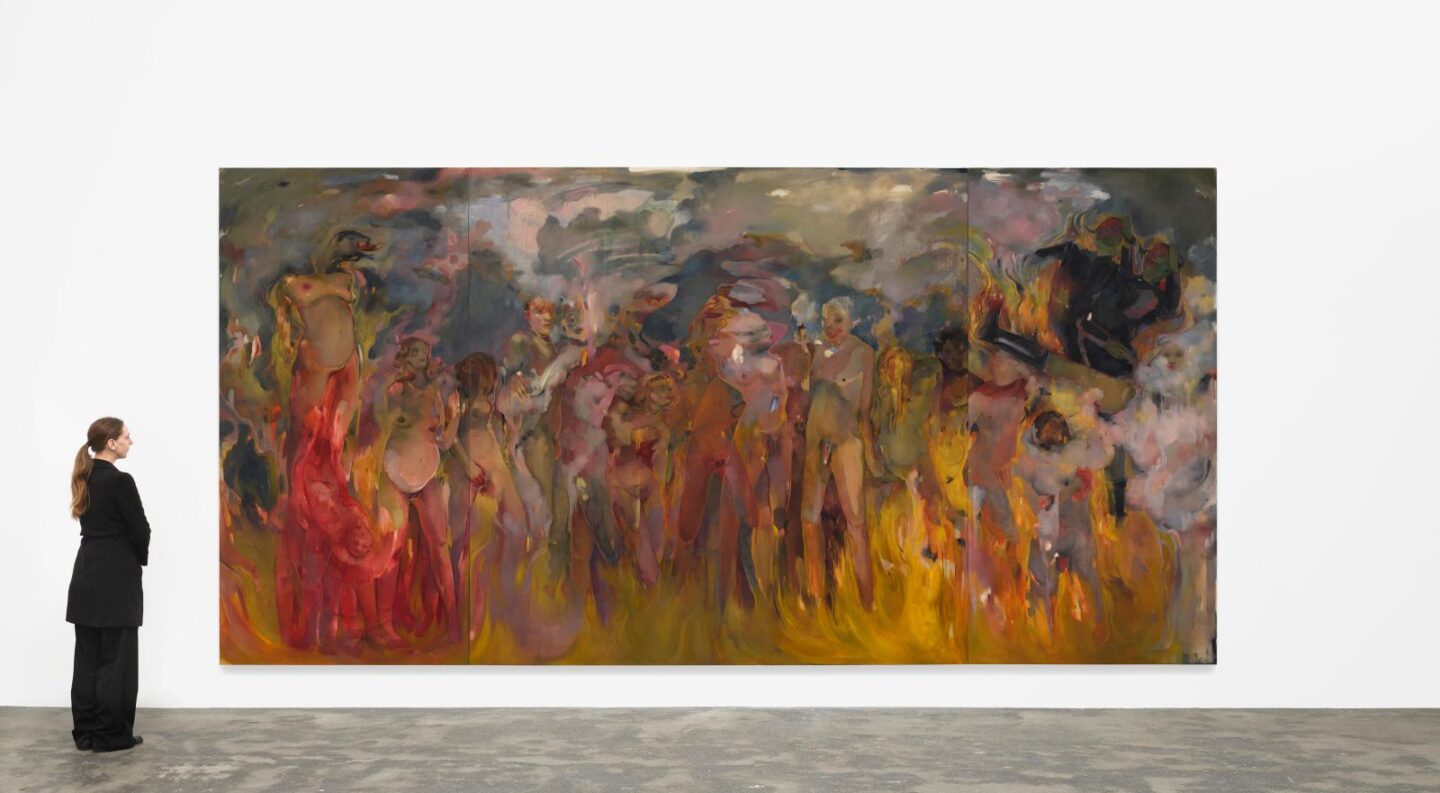
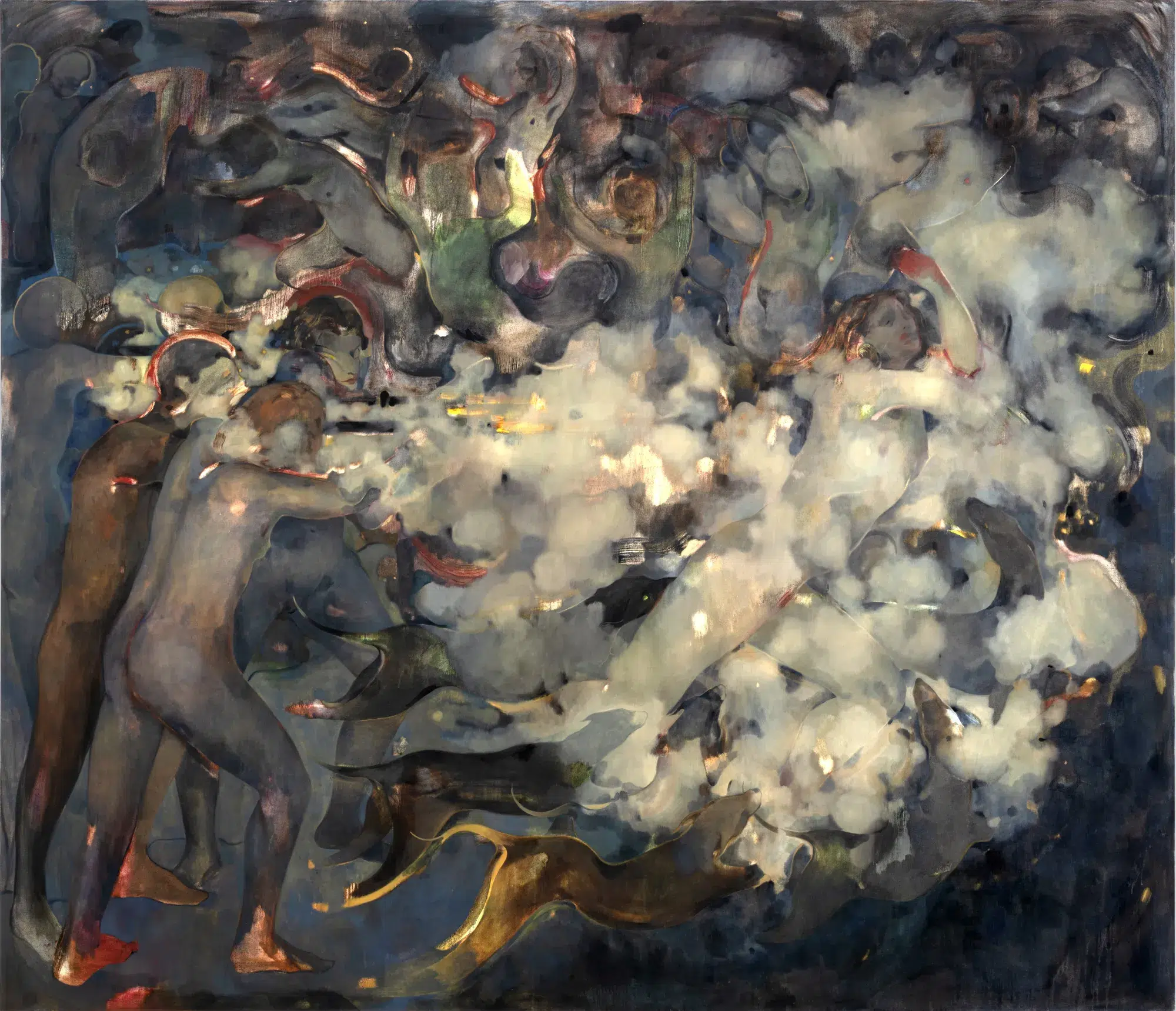
The female body is central to Pade’s practice, presented as a site of strength and agency. Her figures emerge through layered paint into groups or solitary, contemplative forms, their expressions ranging from defiant to obscured. Interlocking bodies, blurred edges, and exposed canvas create open-ended compositions that extend a sense of self beyond the physical body, exploring shared experiences of sacrifice, dreams, and hope. Pade draws inspiration from artists such as Edvard Munch, James Ensor, and Otto Dix while developing a distinctive visual language of her own.
In April 2025, ARKEN Museum of Contemporary Art, Ishøj, staged the artist’s first institutional solo exhibition, curated by Rasmus Stenbakken. Since then, she has undertaken a residency at the Opéra national de Paris (2025) and been nominated for the Reiffers Arts Initiatives Prize (2026). Her work will be included in a group exhibition at Fondazione Sandretto Re Rebaudengo, Venice, in 2026, and will be the subject of a solo exhibition at Fondazione Sandretto Re Rebaudengo, Turin, in 2027. Eva Helene Pade’s work is held in the permanent collections of public institutions worldwide, including, in Europe, the Astrup Fearnley Museet, Oslo; Moderna Museet, Stockholm; and Walker Art Gallery, Liverpool; in the United States, the Institute of Contemporary Art, Miami, and Nerman Museum of Contemporary Art, Kansas; and in Asia, the Longlati Foundation, Shanghai, and Space K, Seoul, among many others.
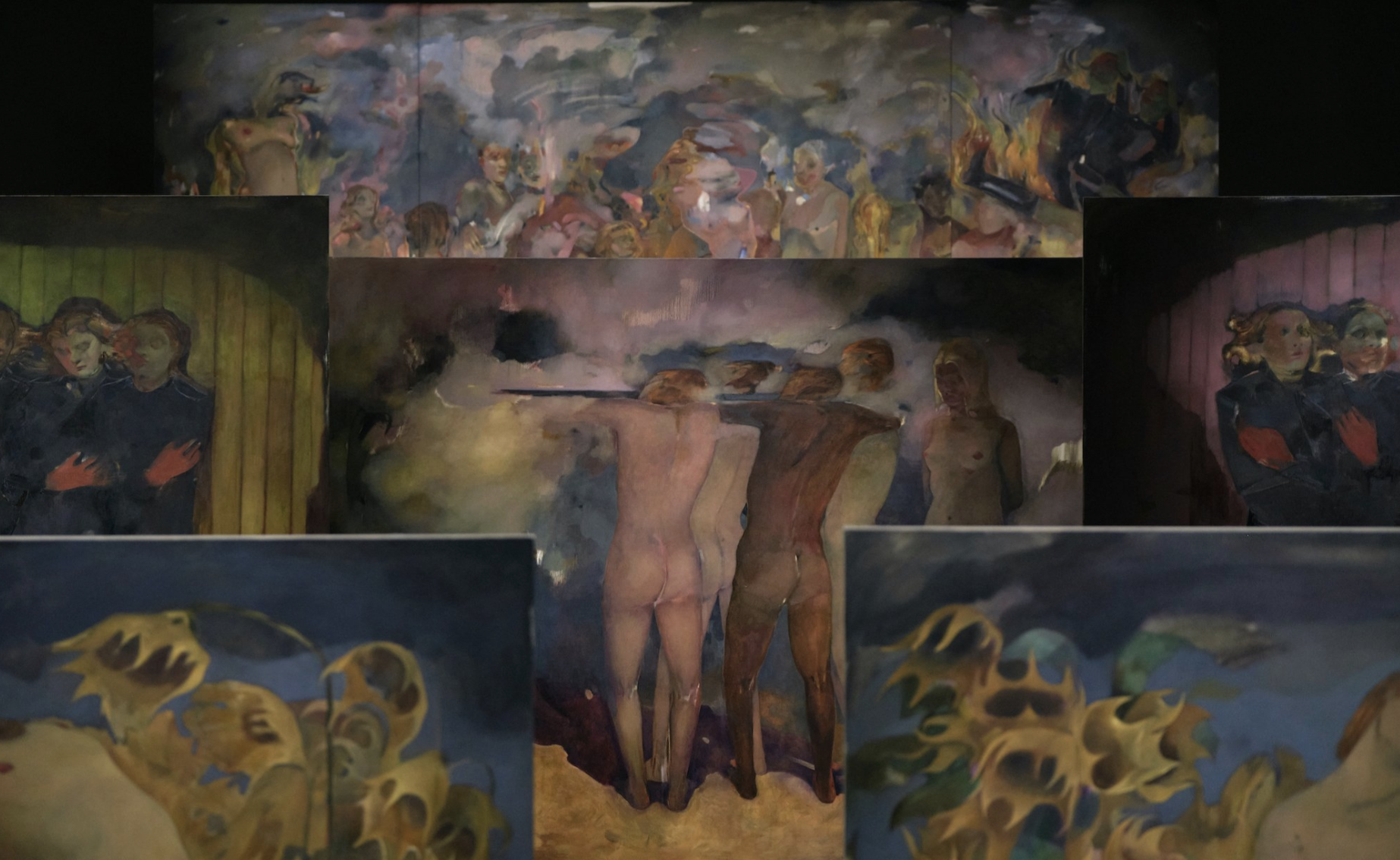
Eva Helene Pade, Forårsofret, installation view, ARKEN. Foto: Anders Sune Berg. Image from ArtMatter.dk.
Sergey Kononov
Ukrainian, b. 1994
Sergey Kononov is a Ukrainian-born, Paris-based contemporary artist known for his intimate figurative paintings. He studied at the Odessa Art College in Ukraine, and later at the École des Beaux-Arts de Paris, from which he graduated in 2021. Kononov first gained recognition in Ukraine with solo exhibitions at the Museum of Modern Art, Odesa (2014) and the National Art Museum of Ukraine, Kyiv (2015), before establishing an international career.
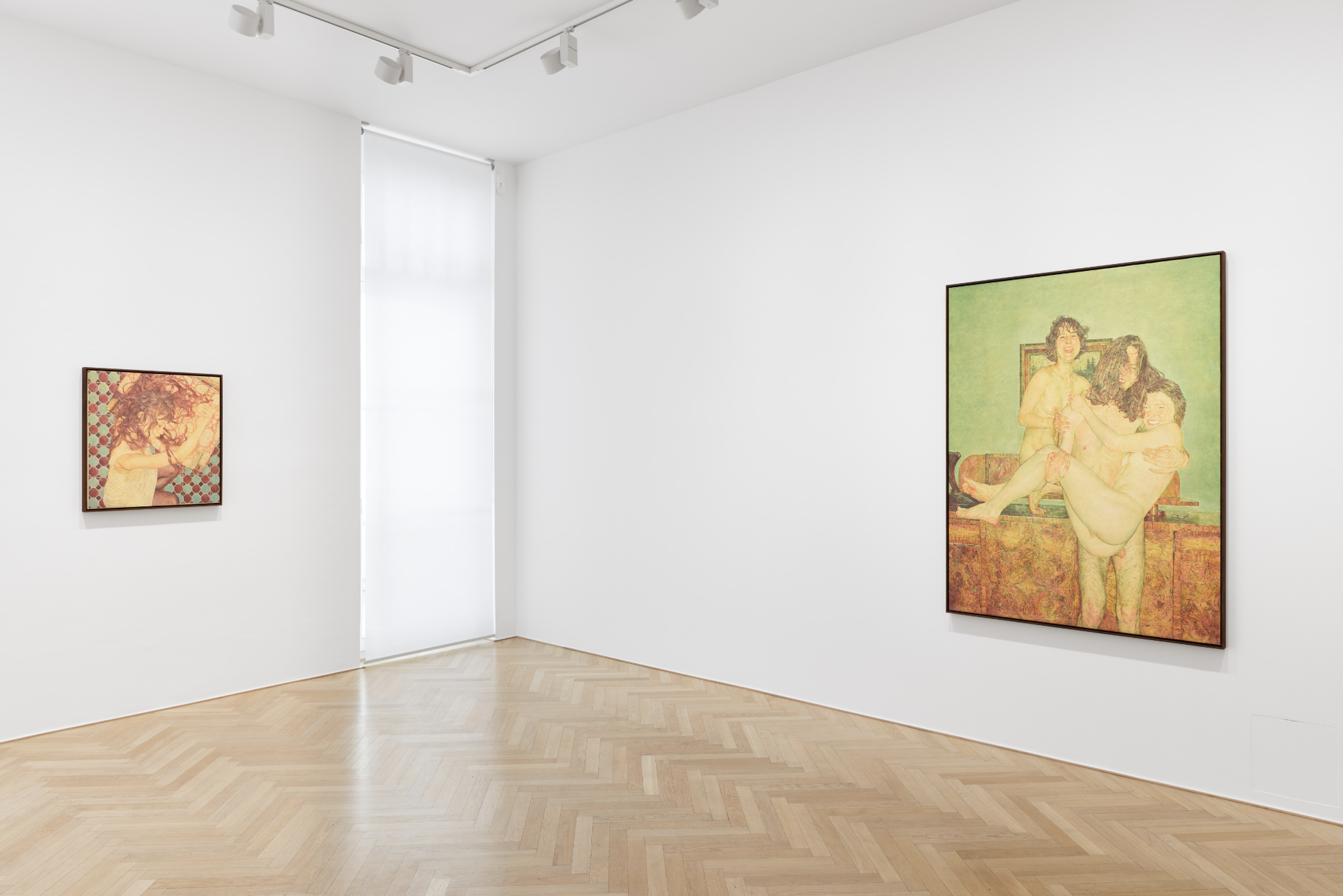
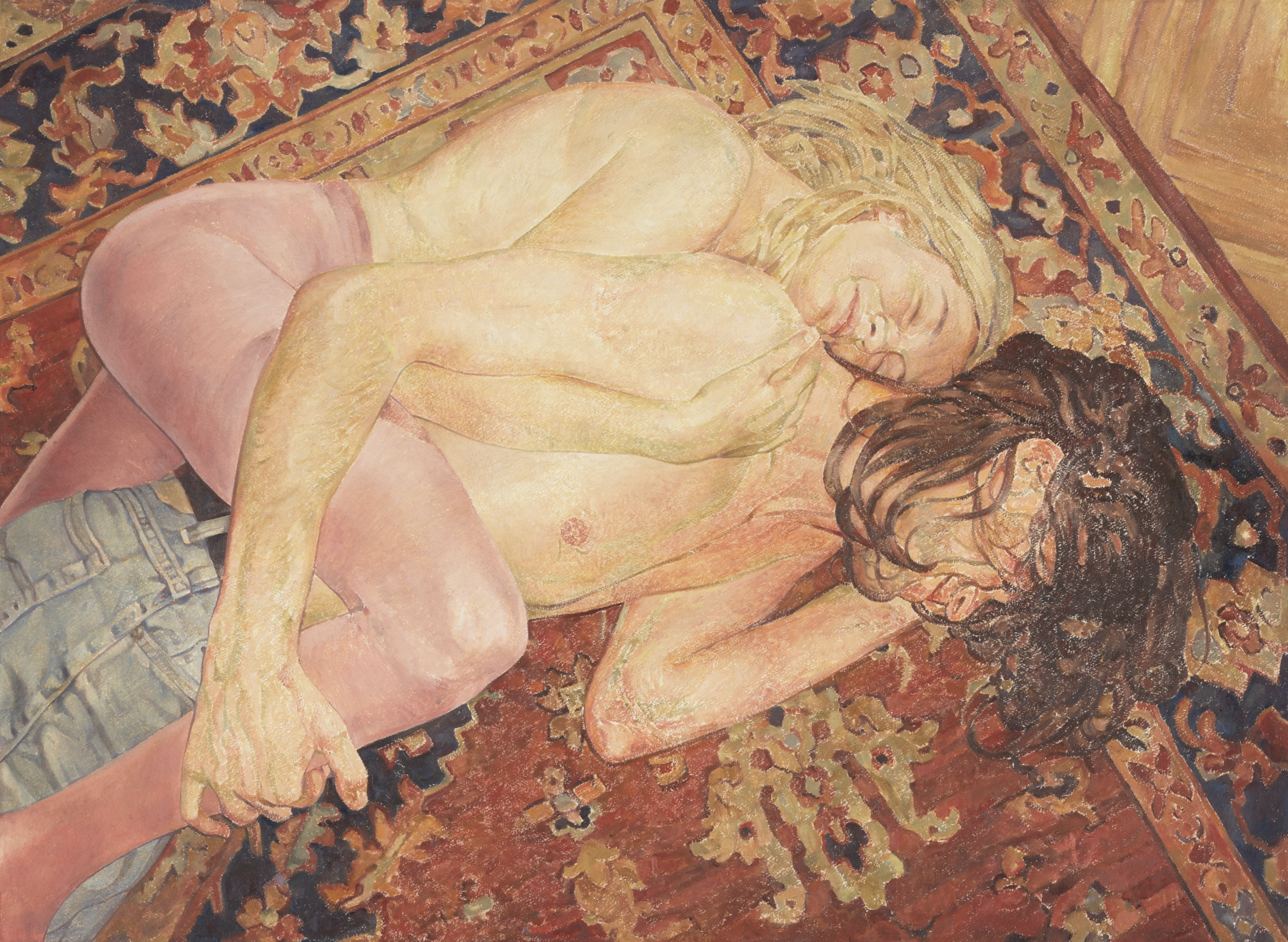
The human figure lies at the heart of Kononov’s practice, serving as a vehicle to explore intimacy, memory, friendship, and emotional vulnerability. His paintings depict quiet moments between lovers, friends, and solitary figures, rendered in warm, cinematic light that recalls vintage film stills. Using loose brushwork, softened contours, and a distinctive palette of ochres and yellows, Kononov creates charged compositions that balance tenderness with ambiguity. While rooted in the traditions of academic painting, Kononov’s practice is distinguished by a contemporary sensibility that lends his work a timeless yet unmistakably modern quality.
Since his first solo exhibition in Paris with Galerie Lazarew in 2016, Kononov has presented numerous solo exhibitions across Europe and the United States, including The Garden of Dreaming Youths at 15 Orient, New York (2023), Companions at Jeremy Scholar, London (2024), and Celso and the Past, his first solo exhibition with Galerie Max Hetzler in Berlin (2025). His work is also held in the public collections of the FOLTA Collection, Wrocław; Foundation Francès, Clichy / Senlis; and the Museum of Modern Art, Odesa.
Hu Xiaoyuan
Chinese, b. 1977
Hu Xiaoyuan is a Chinese contemporary artist based in Beijing, renowned for her multidisciplinary practice encompassing installation, sculpture, painting, photography, video, and drawing. A graduate of the China Academy of Art in Hangzhou, she gained international recognition early in her career as one of the youngest artists to participate in documenta 12 in 2007.
Hu’s work explores themes of time, memory, transformation, and the relationship between the human body and the natural world. Working with materials such as silk, shells, plants, and other found objects, she creates poetic installations that reflect on cycles of growth and decay, the passage of time, and the fragility of existence. In her recent exhibition at Modern Art, her installations, paintings, and sculptures examined complex family dynamics through the contrasting qualities of raw silk, wood, and aerospace aluminium. Incorporating both organic and industrial materials often considered waste, her works reveal the emotional and historical traces embedded within everyday materials.
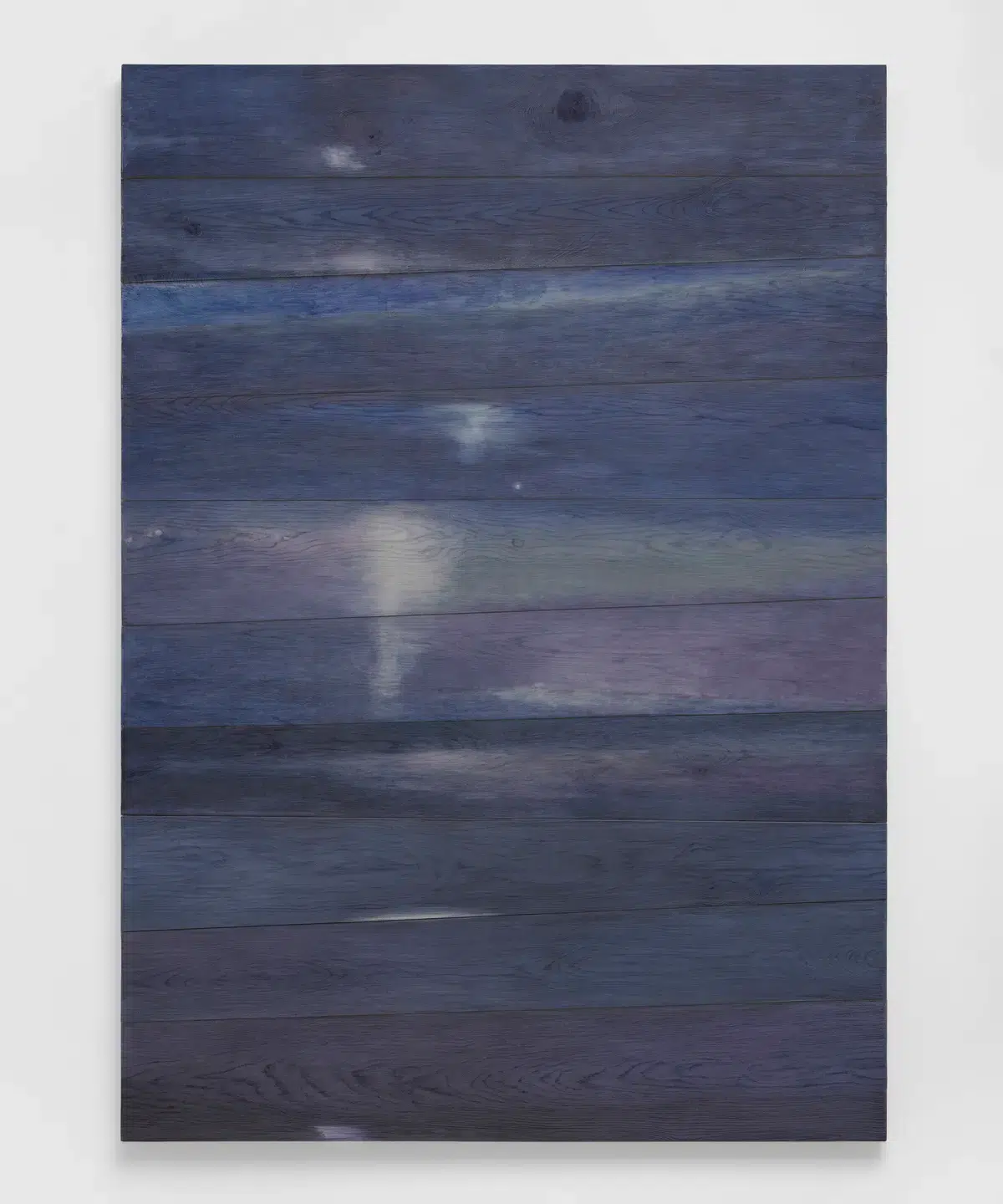
Wood occupies a particularly significant place in Hu’s practice. She first began using reclaimed wood as a painting support after discovering a stained bed board in a Beijing junk market in 2008. Captivated by the concentric stain patterns, known in northern China as “river ripple marks,” she saw them as records of wandering, instability, and lived experience. By wrapping the wood in layers of gauze and applying delicate ink markings, Hu creates surfaces in which material and image merge, allowing the natural grain, stains, and gestures to coexist in a quiet meditation on memory and impermanence.
Hu’s works have been shown internationally including: 15th Shanghai Biennale (2025); M+, Hong Kong (2021); 9th Taipei Biennial (2014); New Museum Triennial, New York (2012); and Documenta 12, Kassel (2007). Her works have been shown in numerous institutions and are held in major public collections worldwide, namely, the Musée National d’Art Moderne, Centre Pompidou, Paris; Rockbund Art Museum, Shanghai; Hammer Museum, Los Angeles; M+ , Hong Kong; and Power Station of Art, Shanghai. In 2019, she was nominated for the first Sigg Prize by M+, Hong Kong.
Marc Prats-Quintana
Spanish (Catalan), b. 1995
Marc Prats-Quintana is a Catalan-born, London-based contemporary artist whose practice centres on painting as a process of excavation, memory, and material transformation. A graduate of the Royal College of Art, his work has quickly gained recognition for its richly textured surfaces and poetic exploration of personal history and place.
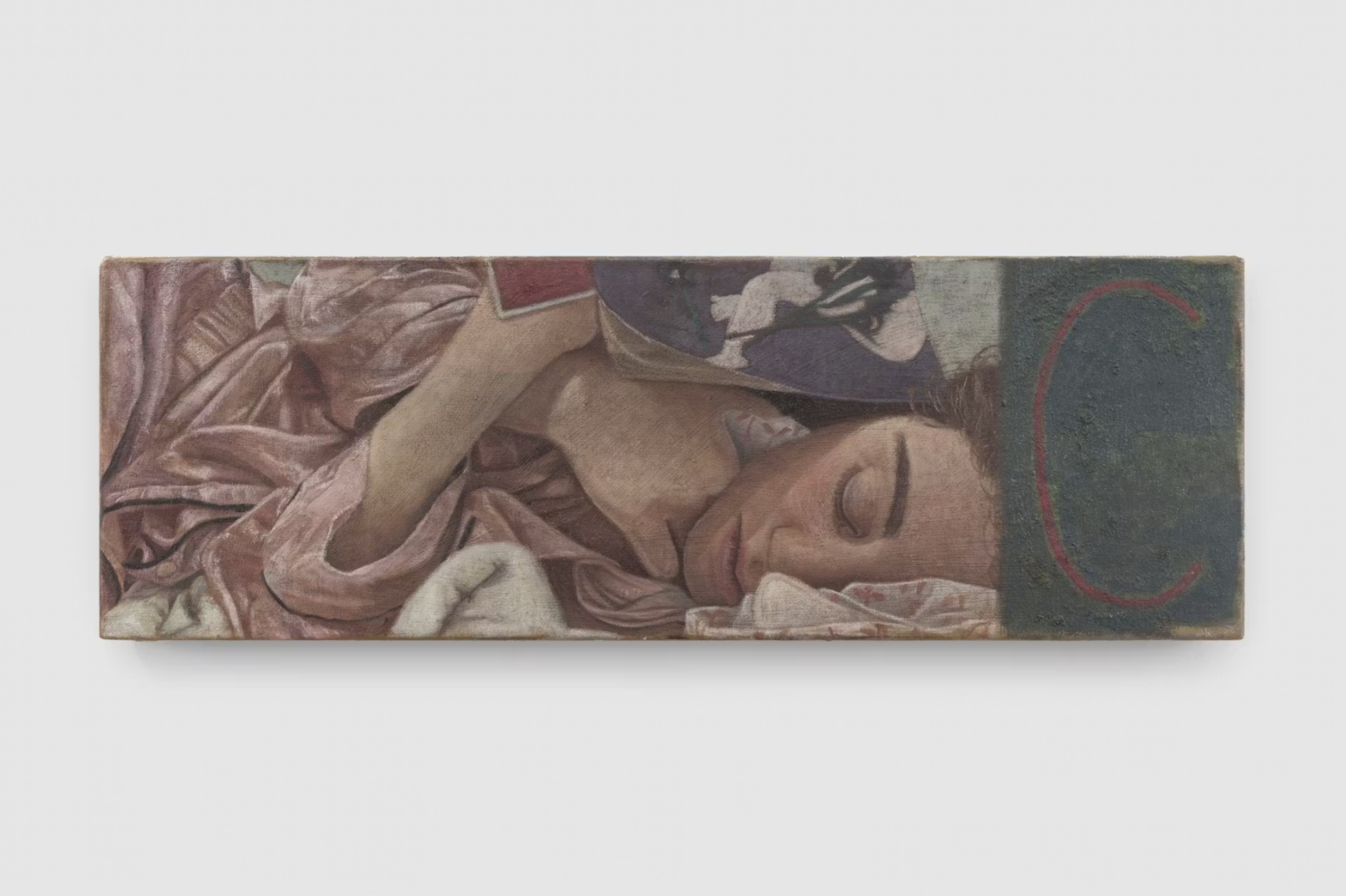
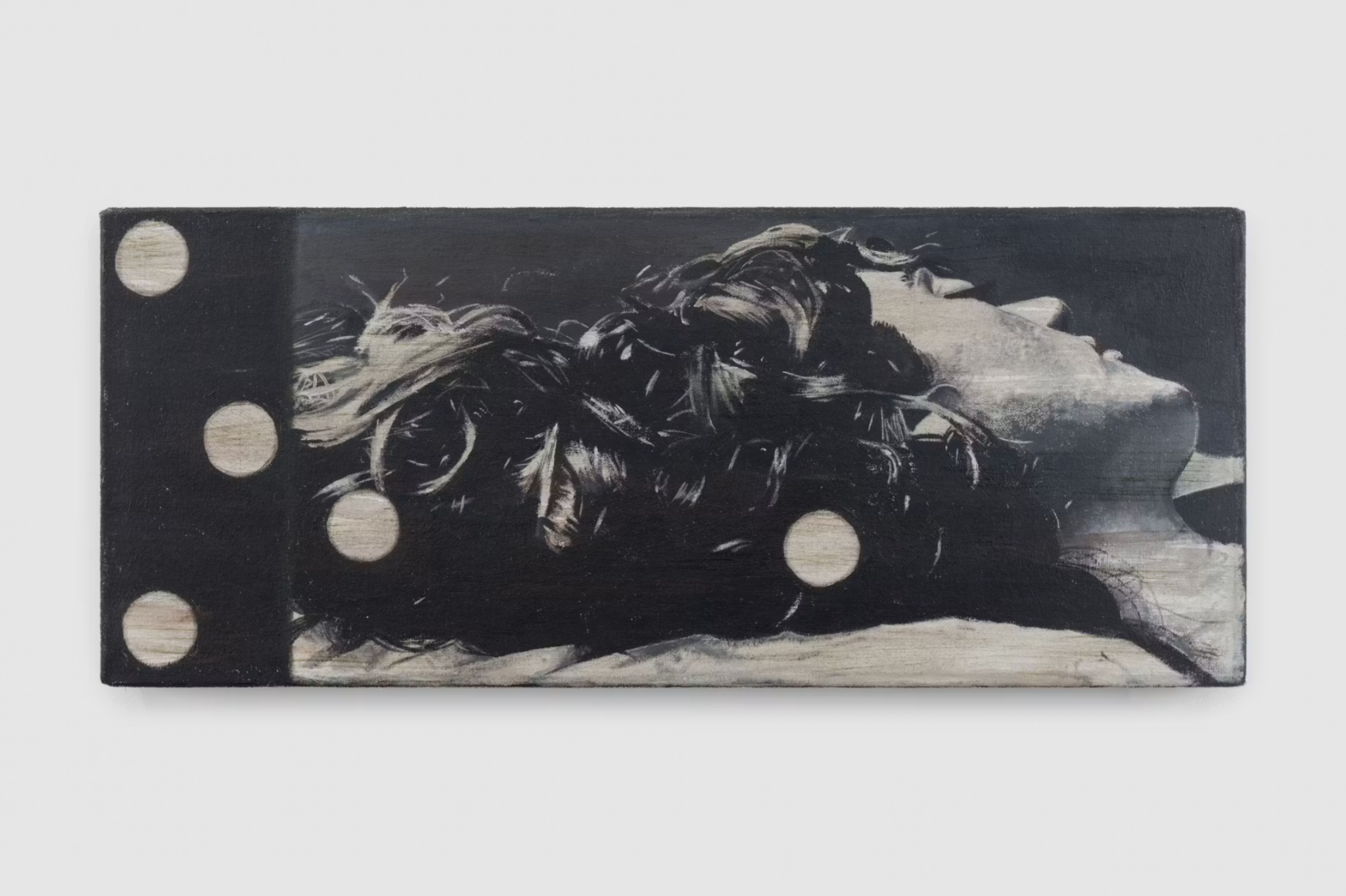
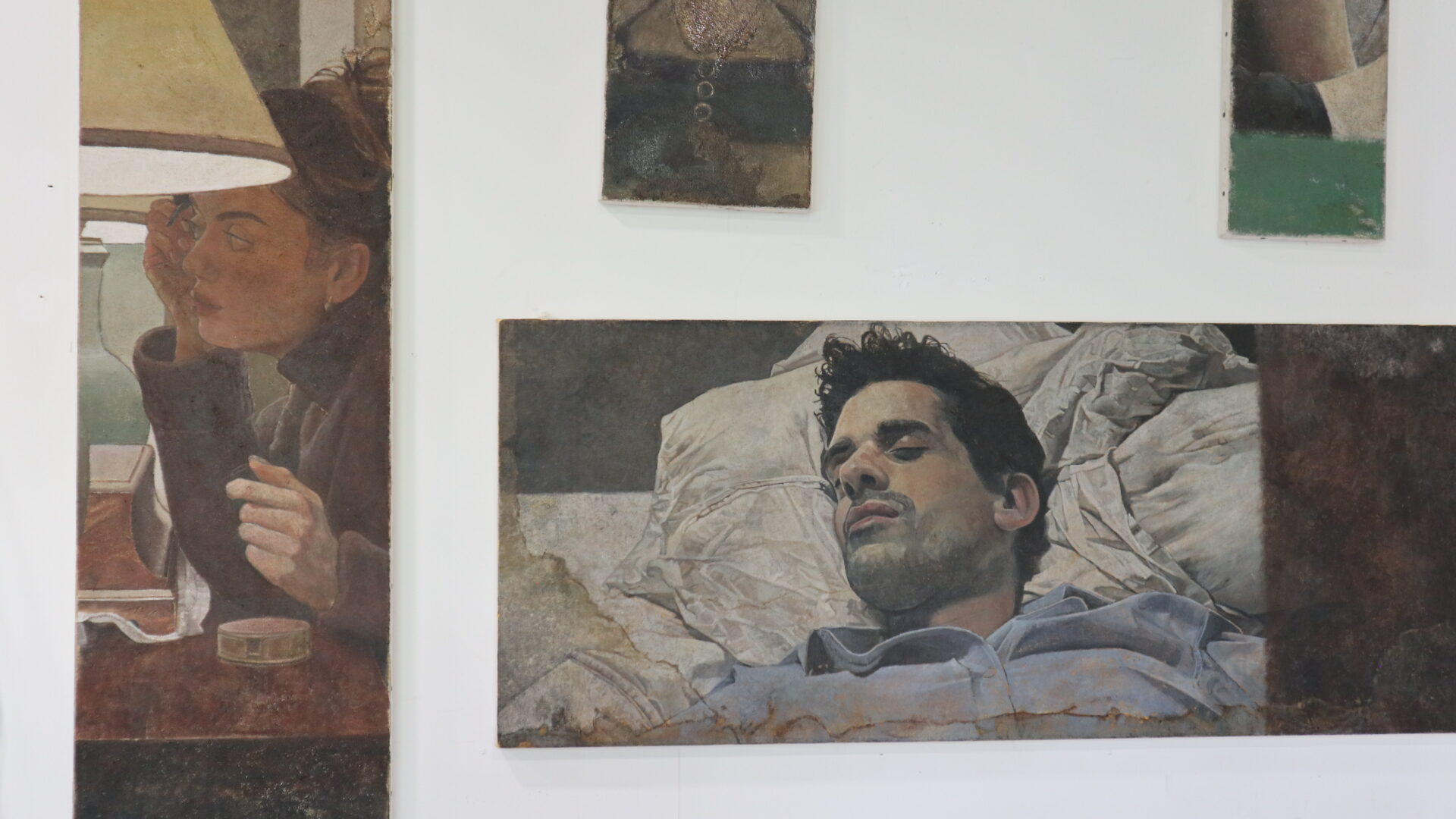
Memory lies at the heart of Prats-Quintana’s practice. Working with oil paint, raw pigment, sand, and found materials, he builds his canvases over many months before scraping, sanding, and rebuilding their surfaces, treating each painting as an archaeological site. In this respect, his process recalls that of Prunella Clough, whose paintings transformed the overlooked surfaces and textures of industrial Britain into richly evocative images of place and experience. Drawing upon photographs of family, friends, and the Mediterranean landscapes of his native Costa Brava, Prats-Quintana weaves fragmented recollections with abstract structures, balancing intimacy with material experimentation. Influenced by the legacy of Catalan Informalism, particularly Antoni Tàpies, who incorporated abrasive substances into his paintings to anchor them in a tactile, lived reality. Cropping, layering, and collage recur throughout his work, while superimposed circles, resembling dust caught in the flash of a photograph, evoke the imperfections of memory and the passage of time.
Recent solo exhibitions include 39 Days in the Sun at The Shophouse, Hong Kong (2024), A Moment’s Rest with Painters Painting Paintings, an online exhibition (2026), and presentations with Barbati Gallery at Artissima, Turin (2025).
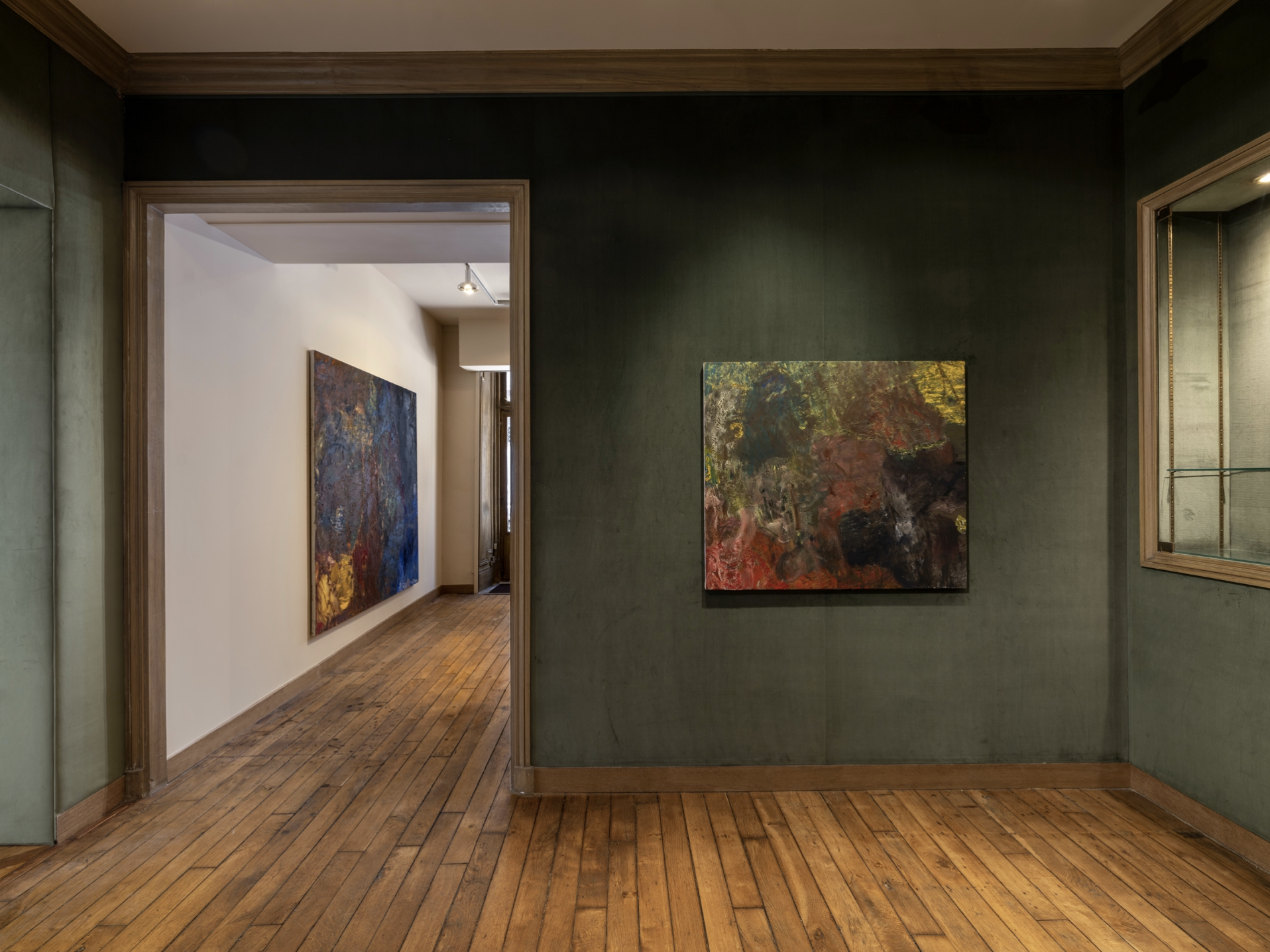
Brett Goodroad
American, b. 1979
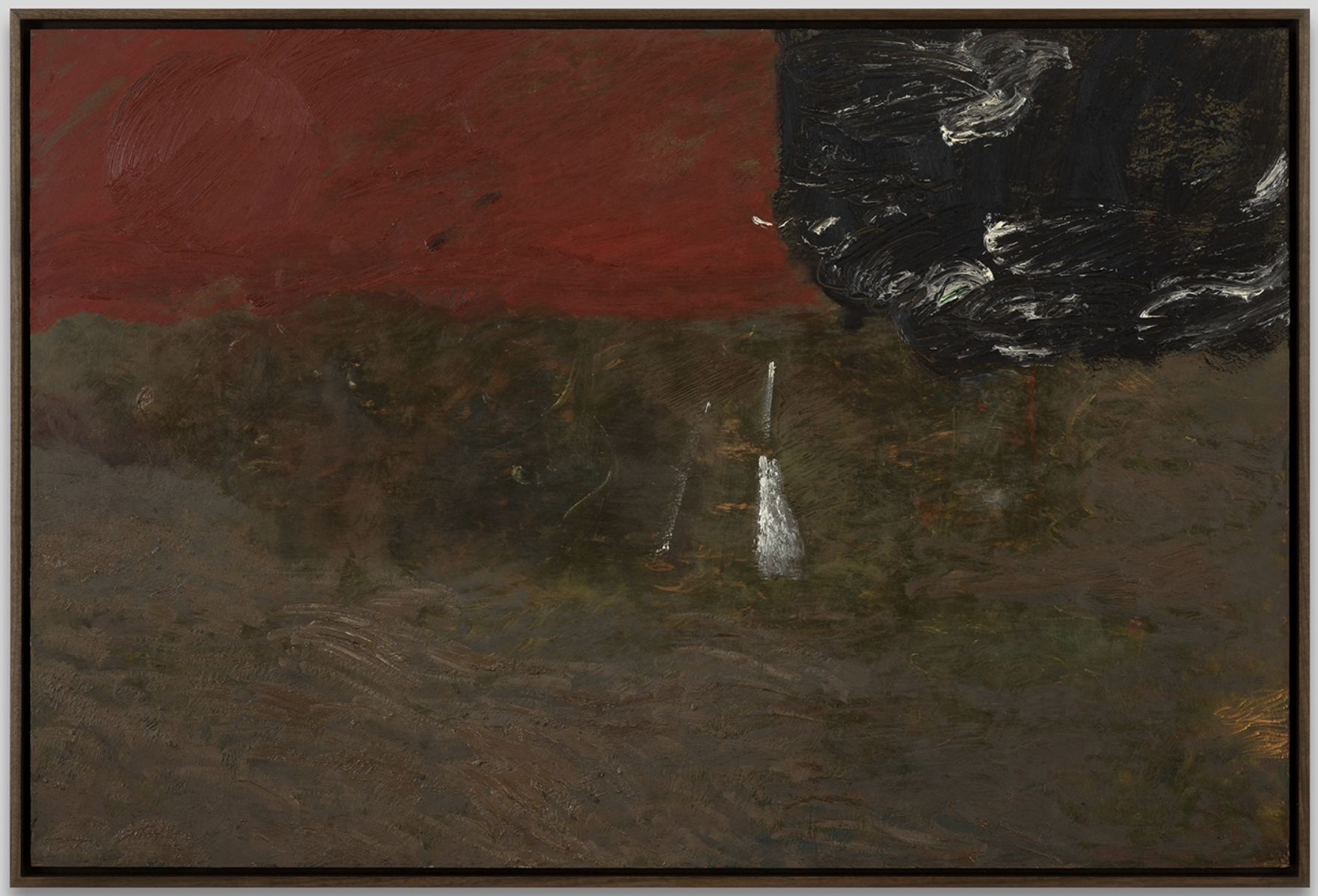
Brett Goodroad is an American contemporary painter whose work occupies the space between figuration and abstraction. Born in Kearney, Nebraska, he received a BFA from Montana State University and an MFA from the San Francisco Art Institute. Working predominantly en plein air, Goodroad has developed a distinctive painterly language in which landscape and atmosphere merge through layered surfaces and intuitive mark-making.
Nature lies at the heart of Goodroad’s practice. Painting outdoors in remote environments, he allows shifting light, weather, and landscape to shape both his process and imagery. His paintings hover between recognition and dissolution, where figures, trees, skies, and terrain emerge only to be reabsorbed into dense passages of colour and gesture. Through successive layers of drawing, painting, erasure, and reworking, each canvas records its own evolution, embracing transformation as both subject and method.
Goodroad has presented solo exhibitions at Greene Naftali, New York; Cushion Works, San Francisco; ADZ Gallery, Lisbon; Gregory Lind Gallery, San Francisco; and Michael Werner Gallery, Beverly Hills. His work has been included in significant group exhibitions at the Berkeley Art Museum and Pacific Film Archive, The Drawing Center, New York, and Karma, New York, among others.
Paul Robas
Romanian, b. 1989
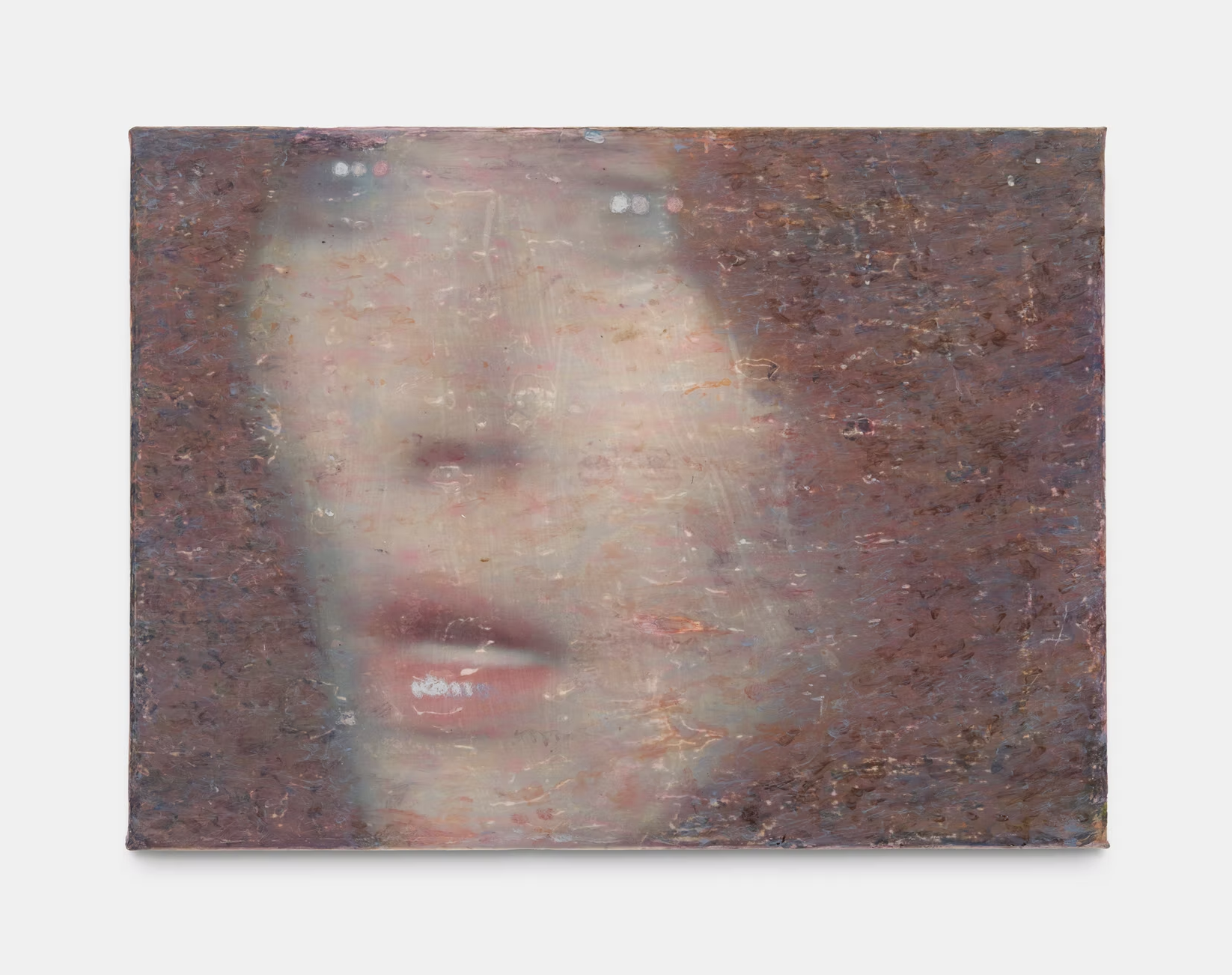
Paul Robas is a Romanian-born, Vienna-based contemporary artist best known for his atmospheric figurative paintings. He studied at the University of Art and Design in Cluj-Napoca before completing an MFA in Painting at the Academy of Fine Arts Vienna in 2018. Drawing upon his background in printmaking and photography, Robas has developed a distinctive painterly language that combines technical precision with an experimental approach to surface and image.
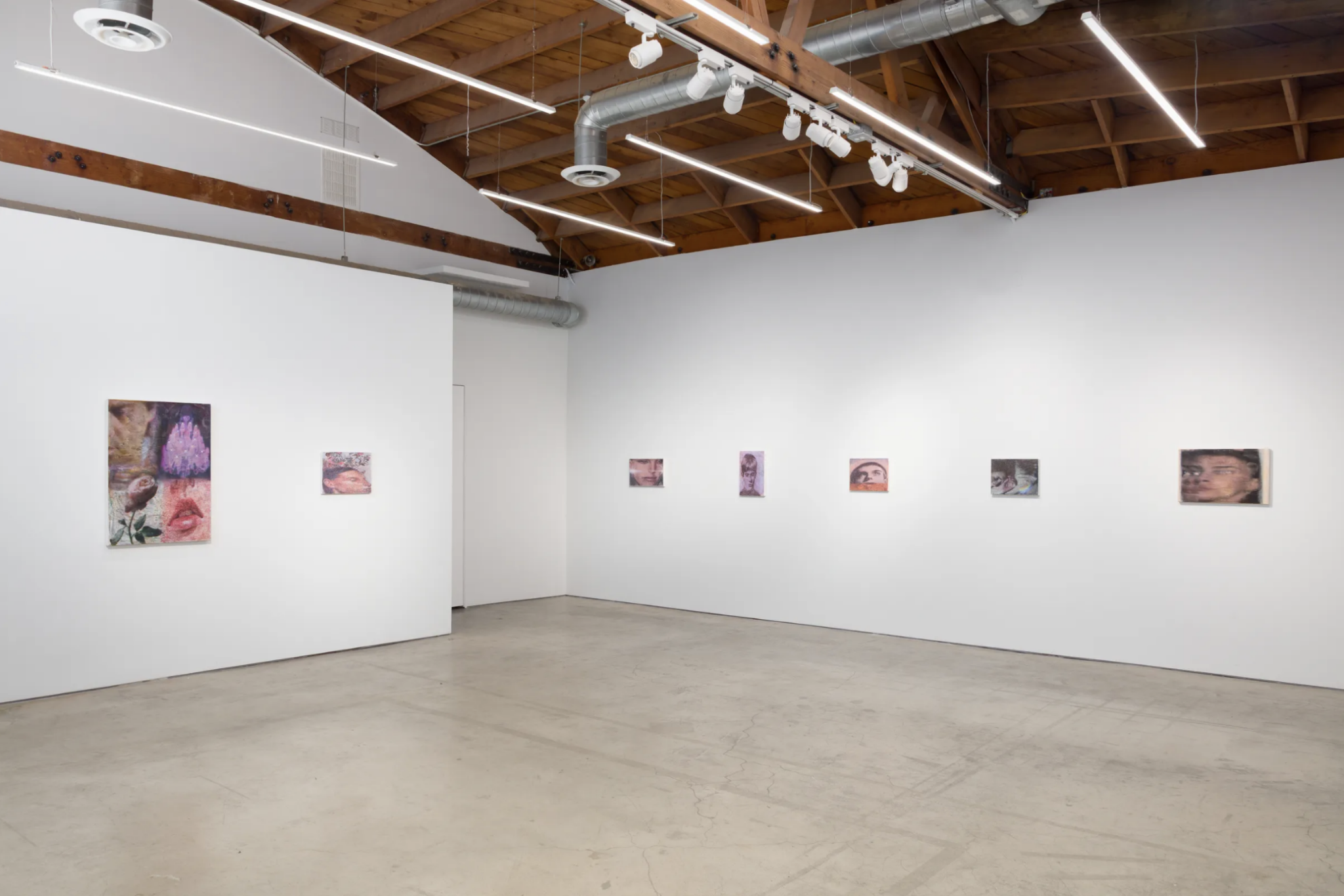
Memory, perception, and the instability of the photographic image lie at the heart of Robas’ practice. Beginning with found or digitally manipulated photographs, he transforms anonymous figures through layers of acrylic paint, blurring, abrasion, and subtle distortions that evoke the sensation of fading recollections. His portraits resist fixed narratives, instead occupying a space between reality and imagination where imperfections, fragmented surfaces, and obscured expressions become integral to the meaning of the work.
Robas has exhibited widely across Europe, with recent solo exhibitions including No Time to Explain at Galleria Solito, Naples (2023), Standstill at Alice Amati, London (2024), Hindsight at The Shophouse, Hong Kong (2025), and Almost There at Make Room, Los Angeles (2026). His work has also featured in group exhibitions at Galerie Claire Gastaud, Paris; Gallery Vacancy, Shanghai; JVDW, Düsseldorf; and Elektrohalle Rohmberg, Salzburg, among others.
We also interviewed him for our journal — you can read the full interview here.
Tomasz Kowalski
Polish, b. 1984
Tomasz Kowalski is a Polish contemporary artist who lives and works in Warsaw. He is best known for his enigmatic paintings, drawings, sculptures, and installations. Born in Szczebrzeszyn, Poland, he studied at the Academy of Fine Arts in Kraków, where he developed a distinctive visual language that draws from art history, mythology, psychology, and literature.
Painting forms the foundation of Kowalski’s practice. His works present uncanny landscapes inhabited by anthropomorphic figures, hybrid creatures, and recurring motifs that blur the boundaries between the conscious and subconscious. Drawing on Surrealism, Symbolism, and early twentieth-century Modernism, his compositions weave together allegory, folklore, and personal mythology.
Kowalski has exhibited extensively throughout Europe and the United States, with recent solo exhibitions at Crèvecœur, Paris; Clearing, New York; Dawid Radziszewski Gallery, Warsaw; and Tim Van Laere Gallery, Antwerp. He has presented solo museum exhibitions at the Centre for Contemporary Art Ujazdowski Castle, Warsaw, and the Contemporary Art Museum St. Louis. His work is held in numerous public and private collections, including Centre Pompidou, Paris; MUMOK, Vienna; MOCAK Museum of Contemporary Art, Kraków; and the Boros Collection, Berlin.
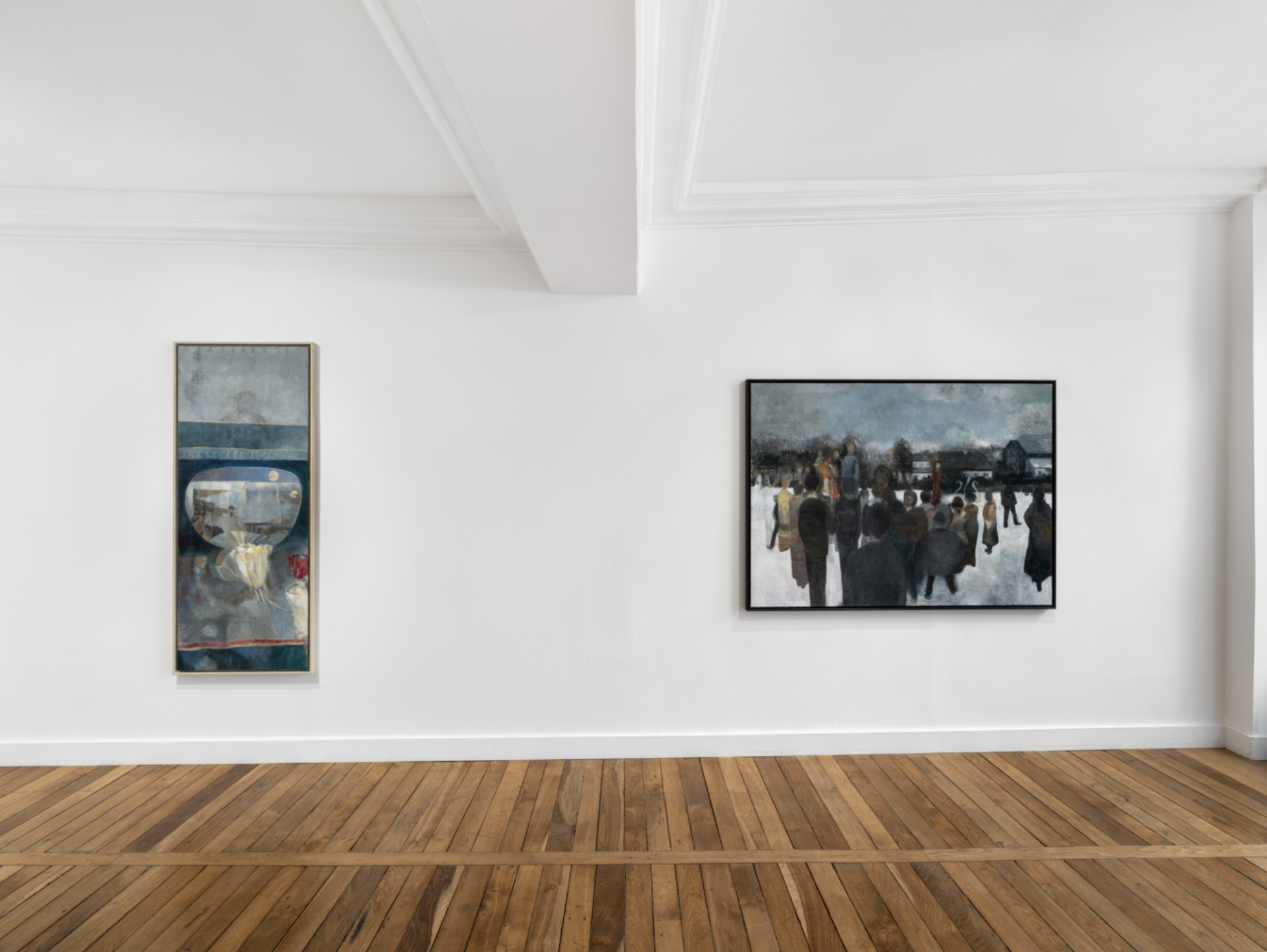
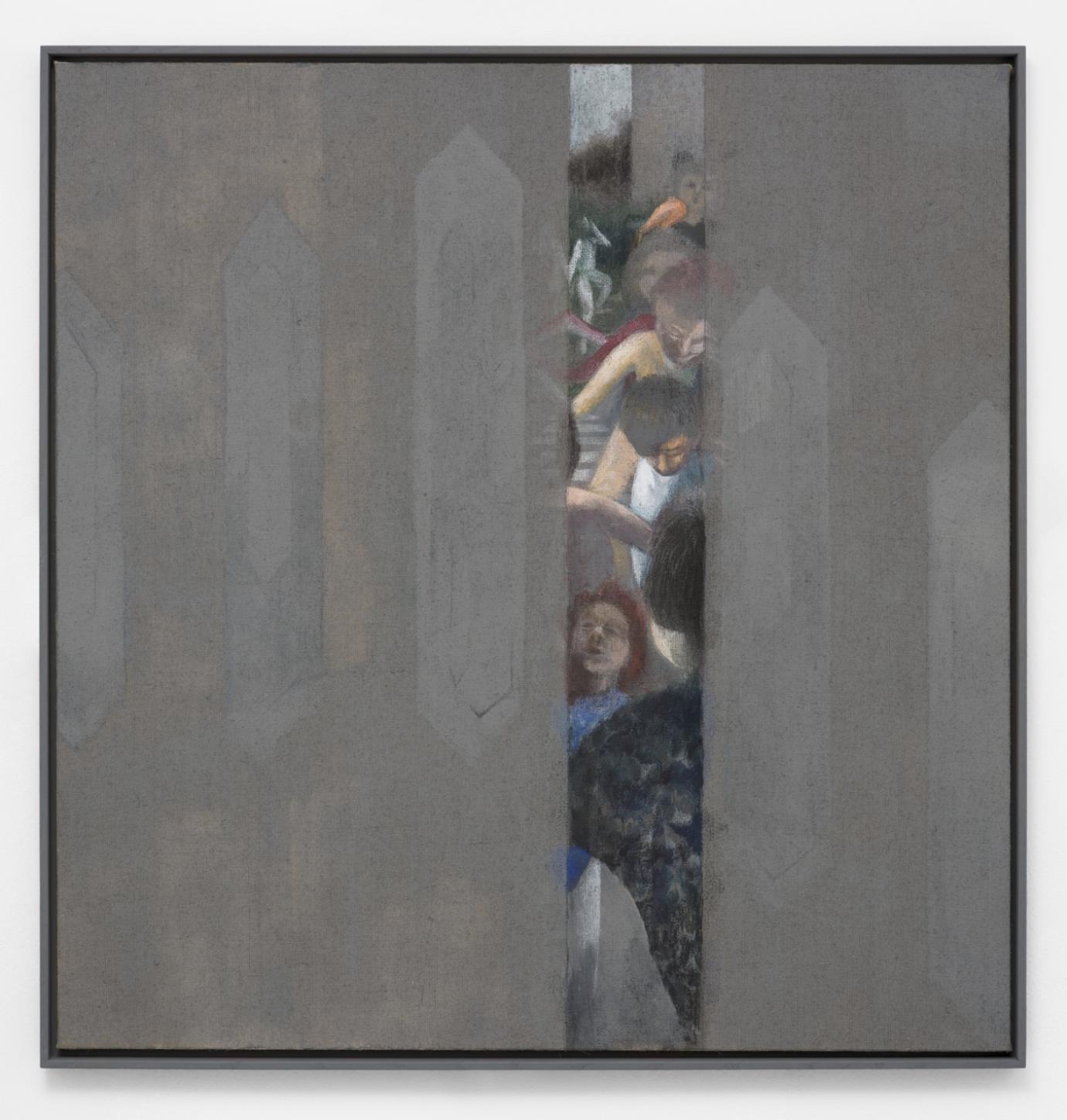
Sung Tieu
Vietnamese-German, b. 1987
Sung Tieu is a Vietnamese-born, Berlin-based contemporary artist whose multidisciplinary practice spans installation, sculpture, video, sound, photography, text, drawing, and archival research. Born in Hải Dương, Vietnam, and raised in Germany, she studied at the Hochschule für bildende Künste Hamburg before completing a postgraduate degree at the Royal Academy Schools, London. Drawing upon personal history alongside political, economic, and institutional archives, Tieu has established an international reputation for works that examine the lasting effects of colonialism, migration, labour, and systems of governance.
Research forms the foundation of Tieu’s practice. Through meticulously constructed installations that combine found objects, architectural interventions, sound, moving image, and documentary material, she investigates the invisible structures that shape individual and collective experience. Her works frequently explore the legacies of the Cold War, the Vietnamese diaspora, German reunification, and mechanisms through which power is exercised and remembered.
She is currently representing Germany at the German Pavilion of the 61st Venice Biennale, a defining moment in her career. Curated by Kathleen Reinhardt, the exhibition Ruin brings together newly commissioned works by Sung Tieu and the late Henrike Naumann. For the pavilion, Tieu transforms the building’s monumental fascist architecture with a trompe-l’œil mosaic façade depicting Gehrenseestraße, the East Berlin housing complex where she grew up. Originally built to house Vietnamese contract workers in the former GDR and later home to successive migrant communities, the estate has long been shaped by structural discrimination, racialised media narratives, police surveillance, and far-right violence. Composed of more than three million individually cut marble tesserae, the mosaic translates archival photographs of the original building into a monumental architectural intervention. Inside the pavilion, this investigation extends through a series of deeply personal works that connect the political with the autobiographical. A large-scale drawing documents the discarded waste surrounding Gehrenseestraße, bearing witness to the material traces of neglect and displacement. Elsewhere, delicate glass casts of Tieu mother’s hands and feet serve as an intimate tribute, foregrounding themes of care, labour, and intergenerational memory.
Tieu has presented major solo exhibitions at Kunstmuseum Bonn; MIT List Visual Arts Center, Cambridge, Massachusetts; Mudam Luxembourg; Amant, New York; and Kunstverein München. She represented Germany at the 60th Venice Biennale in 2024 and was the recipient of the Schering Stiftung Award in 2024 and the Ars Viva Prize in 2021. Her work has also been included in significant international exhibitions at Haus der Kunst, Munich; Hamburger Bahnhof, Berlin; the Gwangju Biennale; and the Shanghai Biennale. Her work is held in major public collections including Tate, London; Centre Pompidou, Paris; M+, Hong Kong; Hamburger Bahnhof – Nationalgalerie der Gegenwart, Berlin; and Mudam Luxembourg, among others.
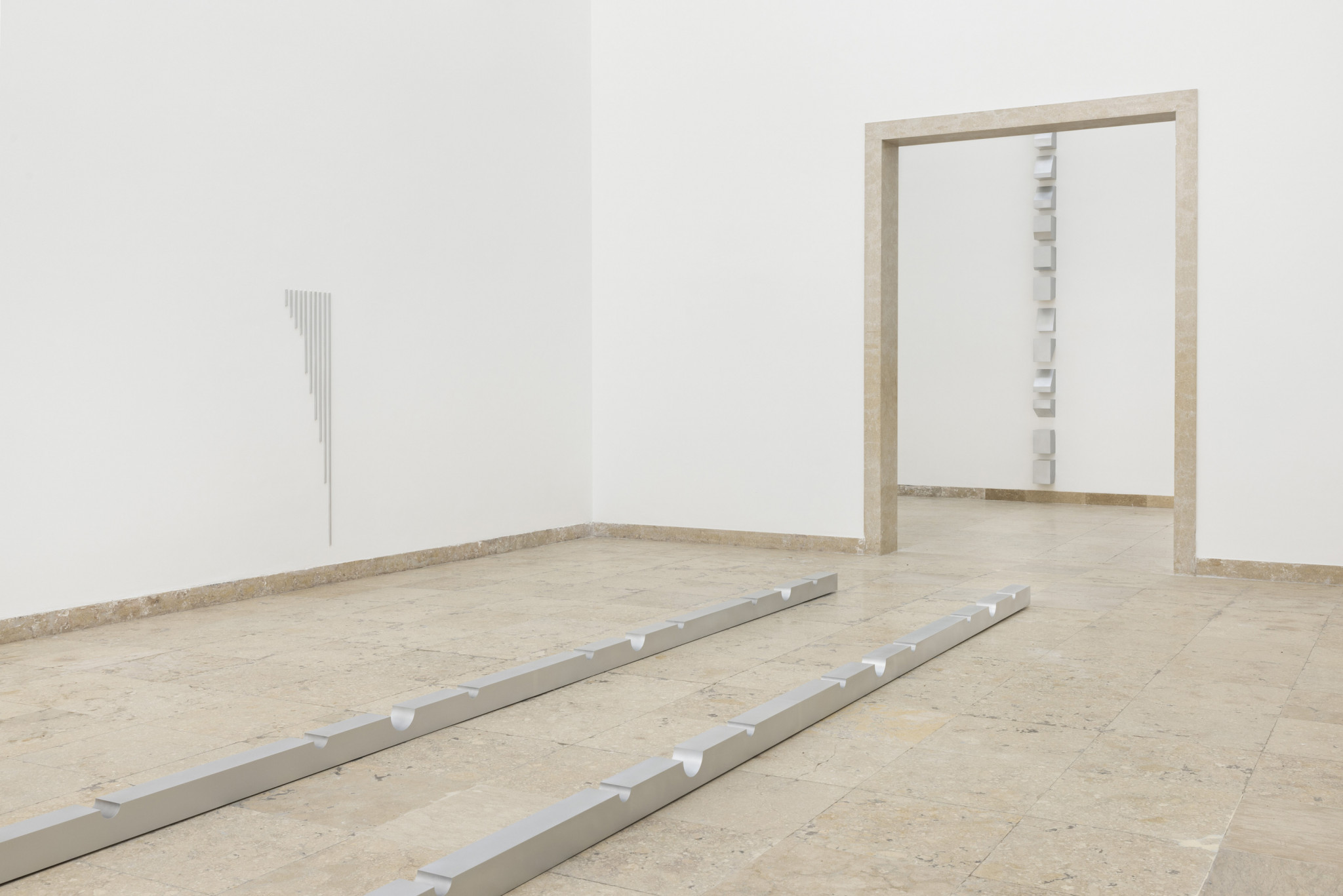
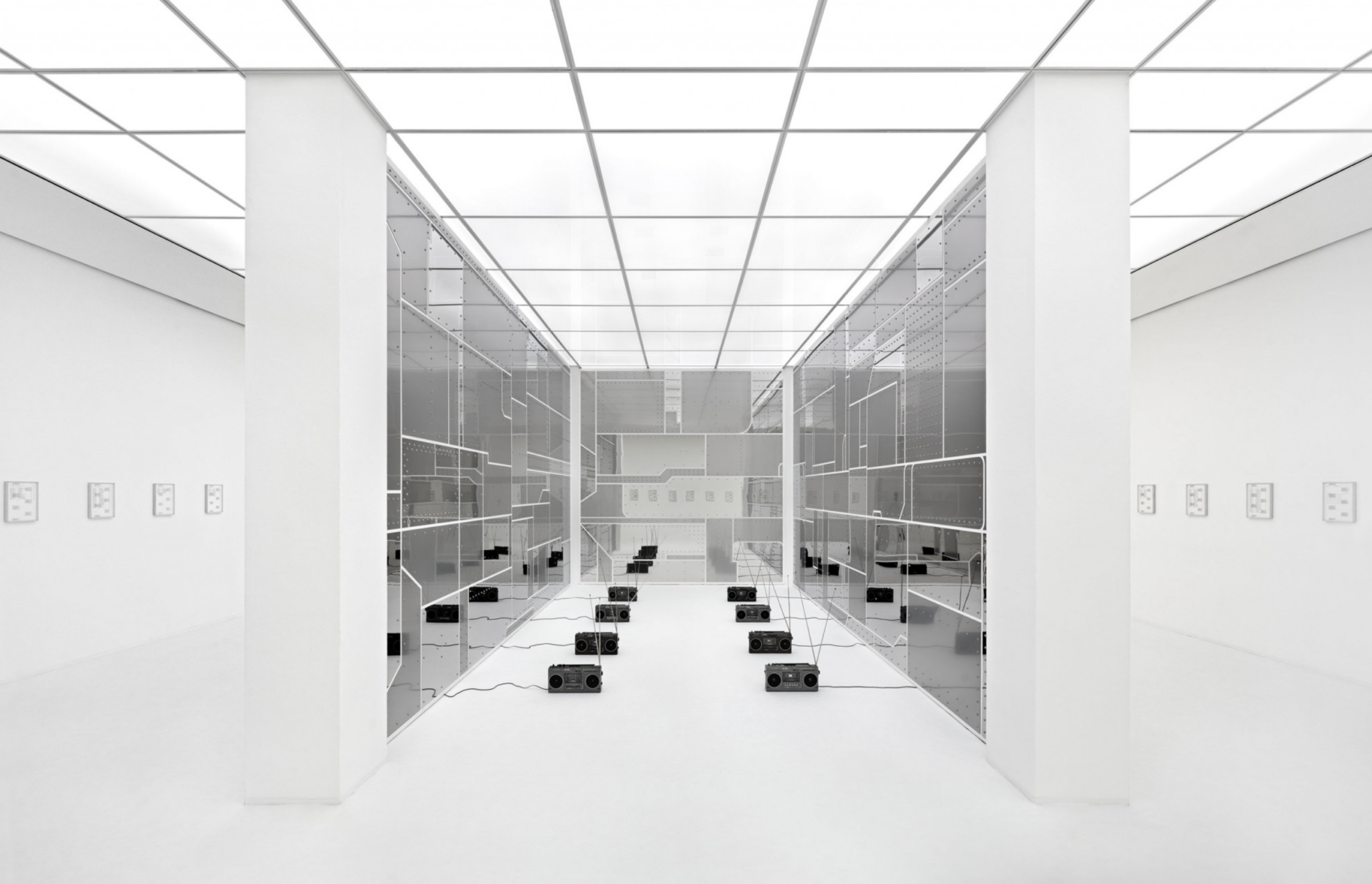
Sang Woo Kim
South Korean, b. 1994
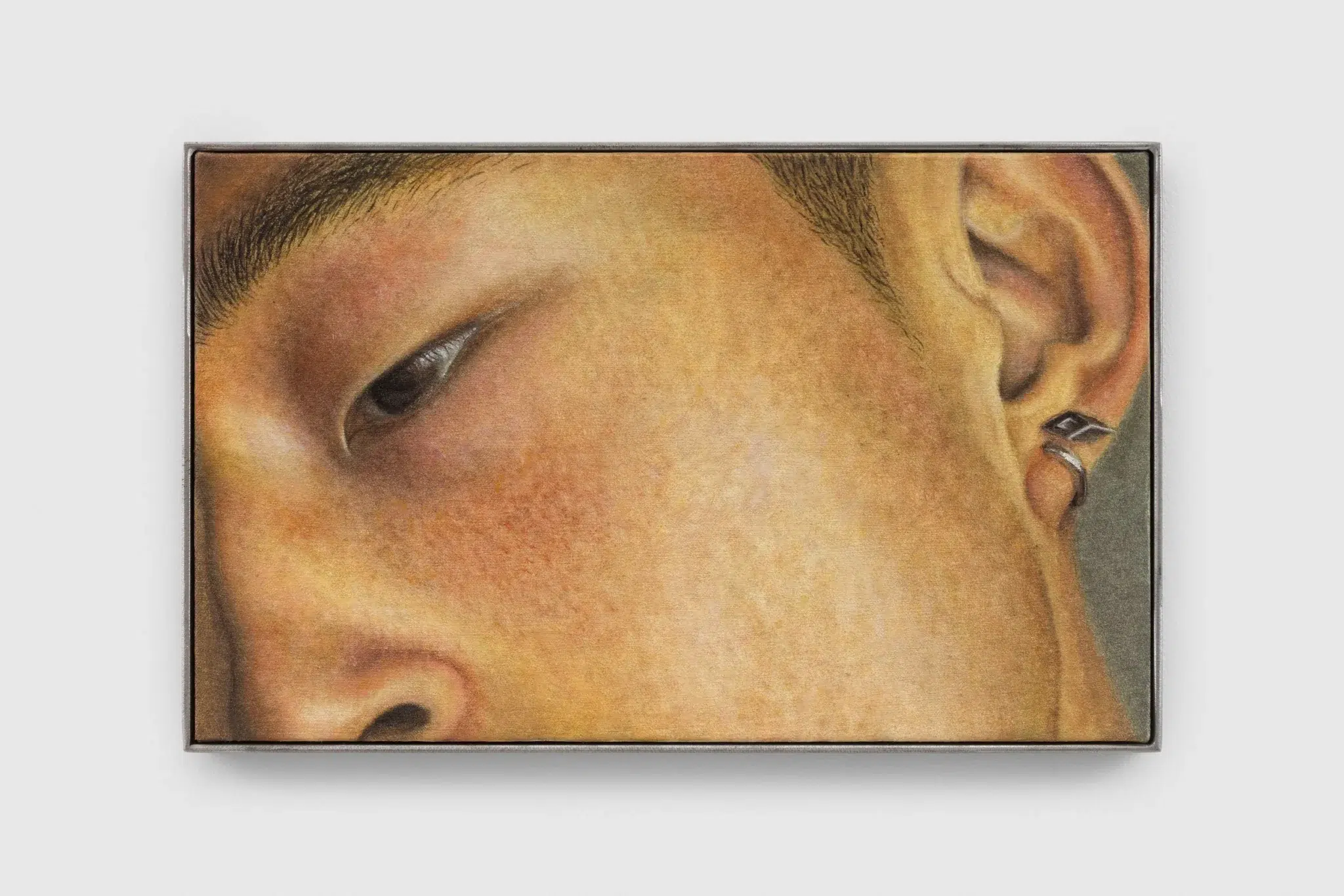
Sang Woo Kim is a South Korean-born, London-based contemporary artist whose practice spans painting, photography-based processes, and pigment dye transfer. Born in Seoul and raised in the United Kingdom from an early age, Kim’s work explores themes of identity, cultural duality, and the politics of representation.
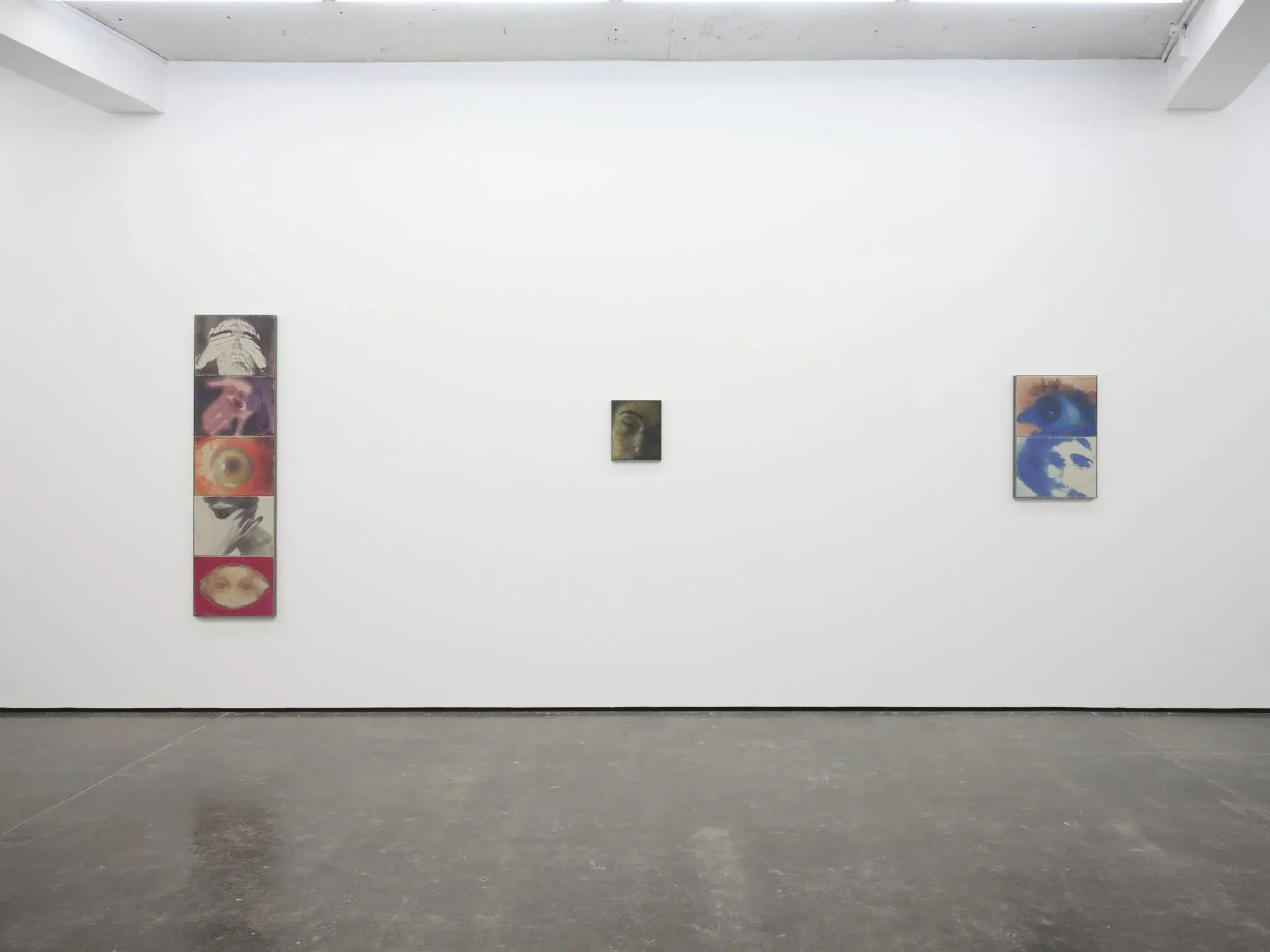
Self-portraiture lies at the heart of Kim’s practice. Through tightly cropped compositions that isolate fragments of his face, particularly the eyes, he explores the experience of being both subject and object of the gaze. This enquiry is further informed by his parallel career as a successful fashion model, where the body is continually observed, photographed, and interpreted. Drawing on these experiences, Kim examines the dynamics of looking, questioning who holds the power of the gaze and how identity is shaped, performed, and mediated through images.
Alongside these works, Kim produces a second series of increasingly abstract paintings, in which photographic transfers, layered pigment, and gestural marks dissolve the image into fields of colour and texture. Here, representation gives way to sensation, exploring the instability of memory, perception, and the photographic image itself. Together, these two approaches establish a dialogue between visibility and obscurity, revealing identity as something that is continually created, fragmented, and reimagined.
Kim has presented solo exhibitions including Glance & Ways of Seeing at Sébastien Bertrand, Geneva (2024) and The Seer, The Seen at Herald St, London (2024–25). His work has also featured in group exhibitions at Arcadia Missa, London; Union Pacific, London; Silke Lindner, New York; and AMA Venezia, Venice.
Casey Bolding
American, b. 1990
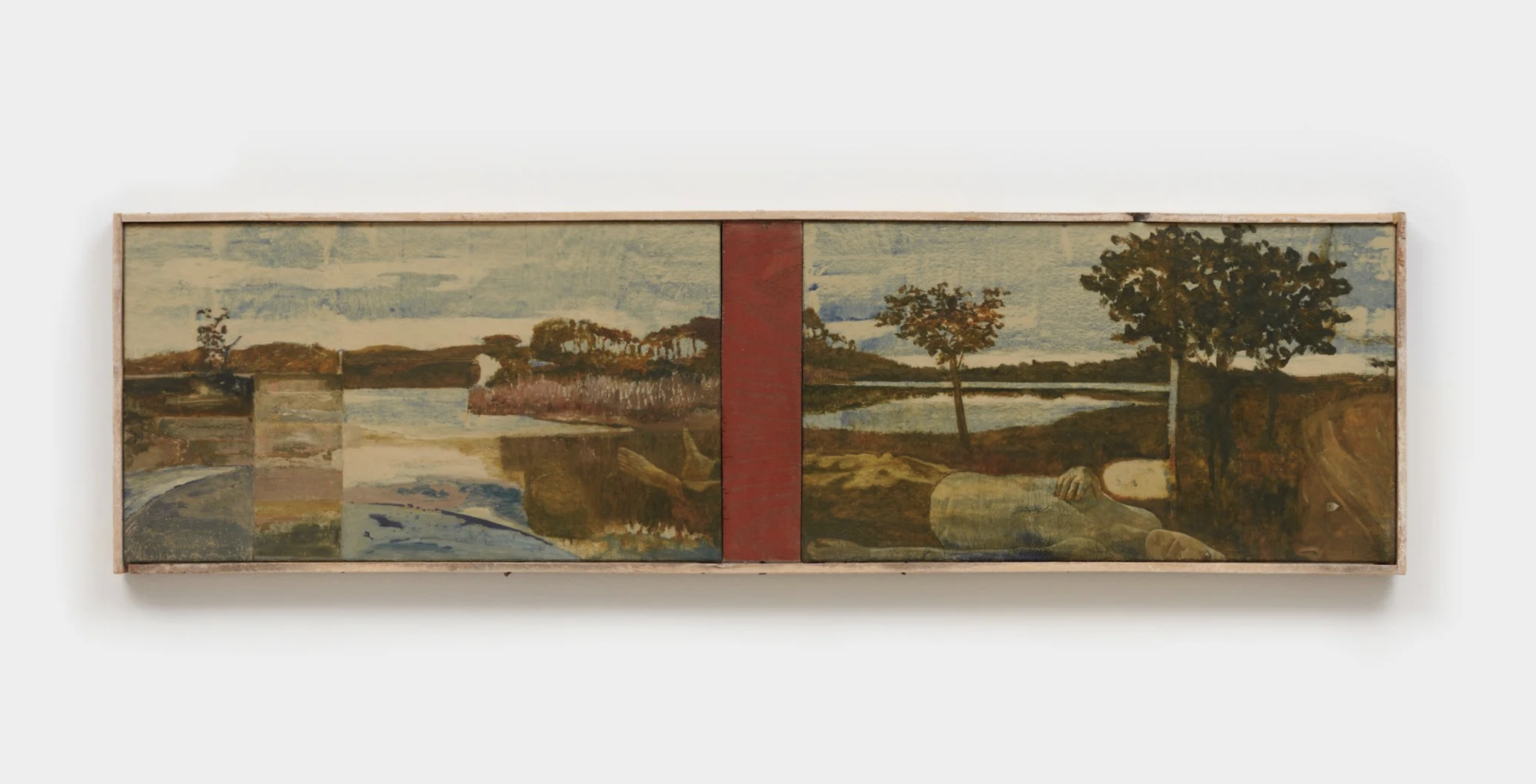
Casey Bolding is an American contemporary painter who is entirely self-taught, and who lives and works in Brooklyn, New York. Bolding began painting graffiti as a teenager in Colorado, developing his practice outside the conventions of formal art education. After high school, he worked for his uncle applying decorative plaster and faux-finishing techniques to residential interiors, where he became fascinated by texture, surface, and the transformative potential of industrial materials. These formative experiences continue to underpin his artistic language, where imperfection, materiality, and process are embraced as integral elements of the finished work.
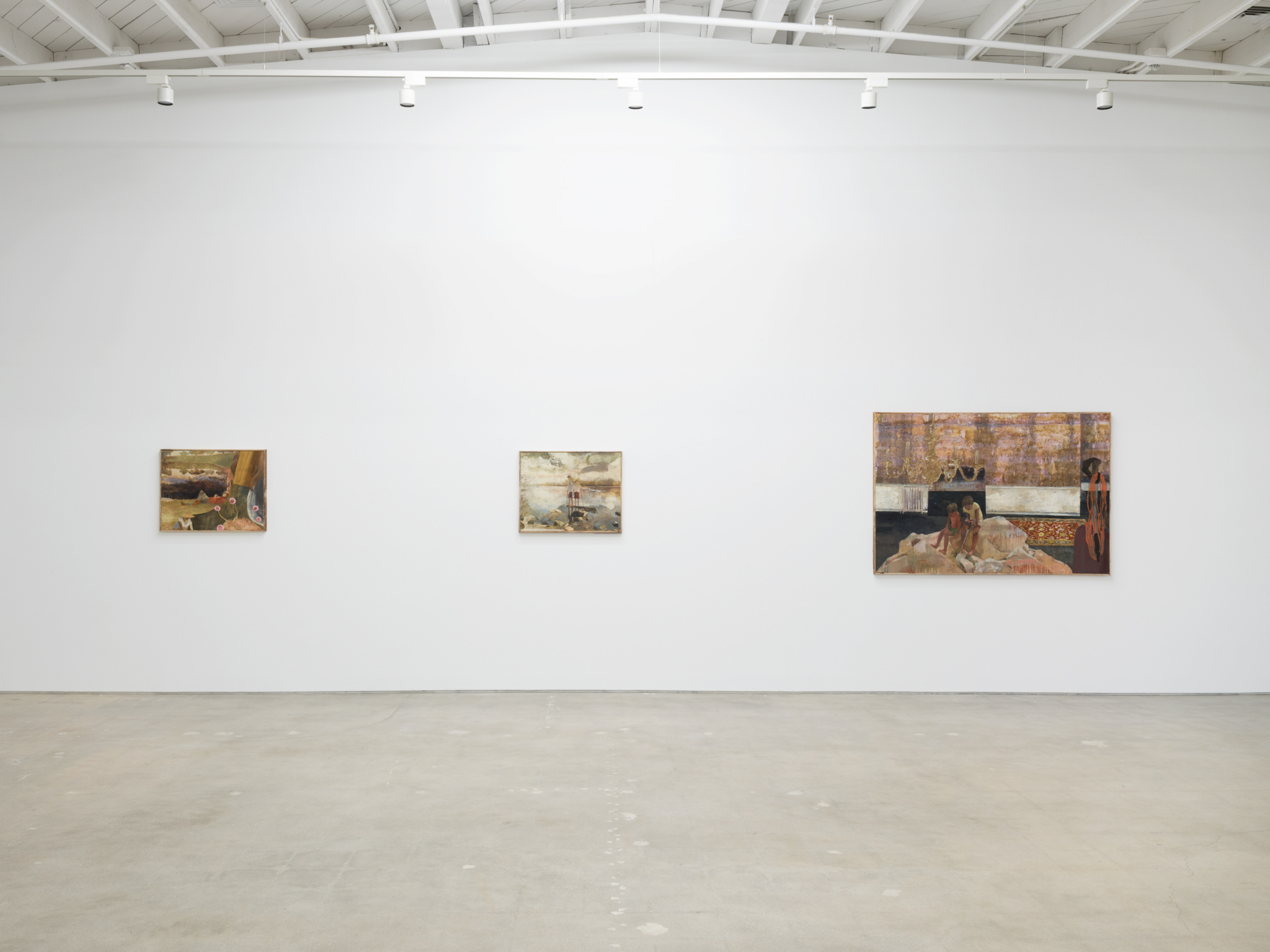
Material experimentation lies at the heart of Bolding’s practice. Combining oil paint, spray paint, plaster, charcoal, and other unconventional media, he embraces chance, abrasion, and imperfection as essential components of the image. His paintings are built through repeated cycles of layering, scraping, sanding, and repainting, allowing each surface to retain the history of its making. Figures, animals, and landscapes emerge from richly textured grounds before dissolving back into them, creating compositions that move fluidly between figuration and abstraction. His works bear the physical evidence of time and transformation while drawing equally on the weathered aesthetics of graffiti and the tactile language of decorative plaster.
His work has been included in exhibitions at Karma, Los Angeles (2026); Polina Berlin Gallery, New York (2025, 2024); Villa Magdalena, Madrid (2025); Karma, Thomaston, ME (2025); Pond Society, Shanghai (2025); Jack Siebert Projects, Los Angeles (2025); Shoot the Lobster, New York (2023); Mamoth, London (2022); and 1969 Gallery, New York (2019).
We also interviewed him for our journal — you can read the full interview here.
Leonardo Meoni
Italian, b. 1994
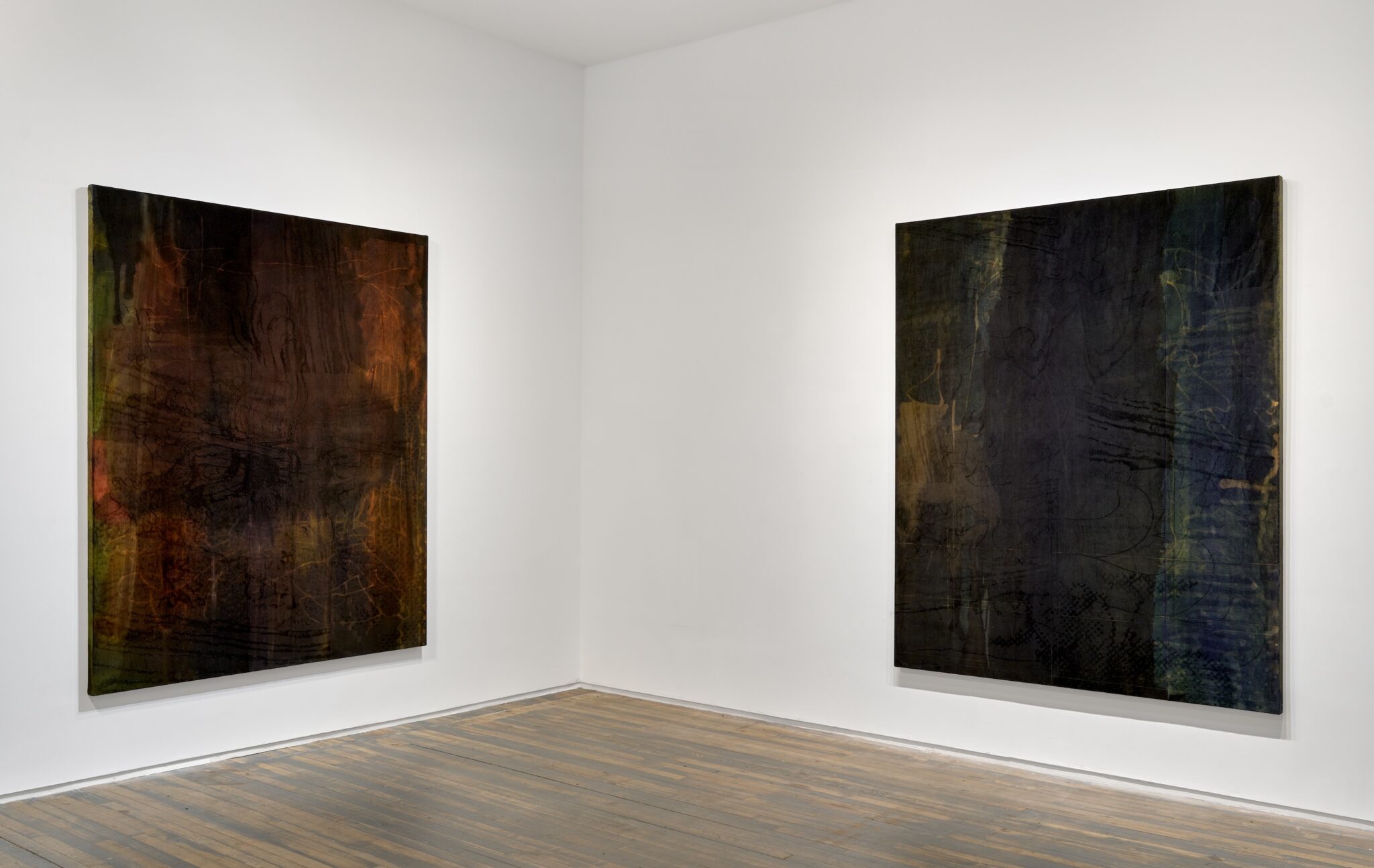
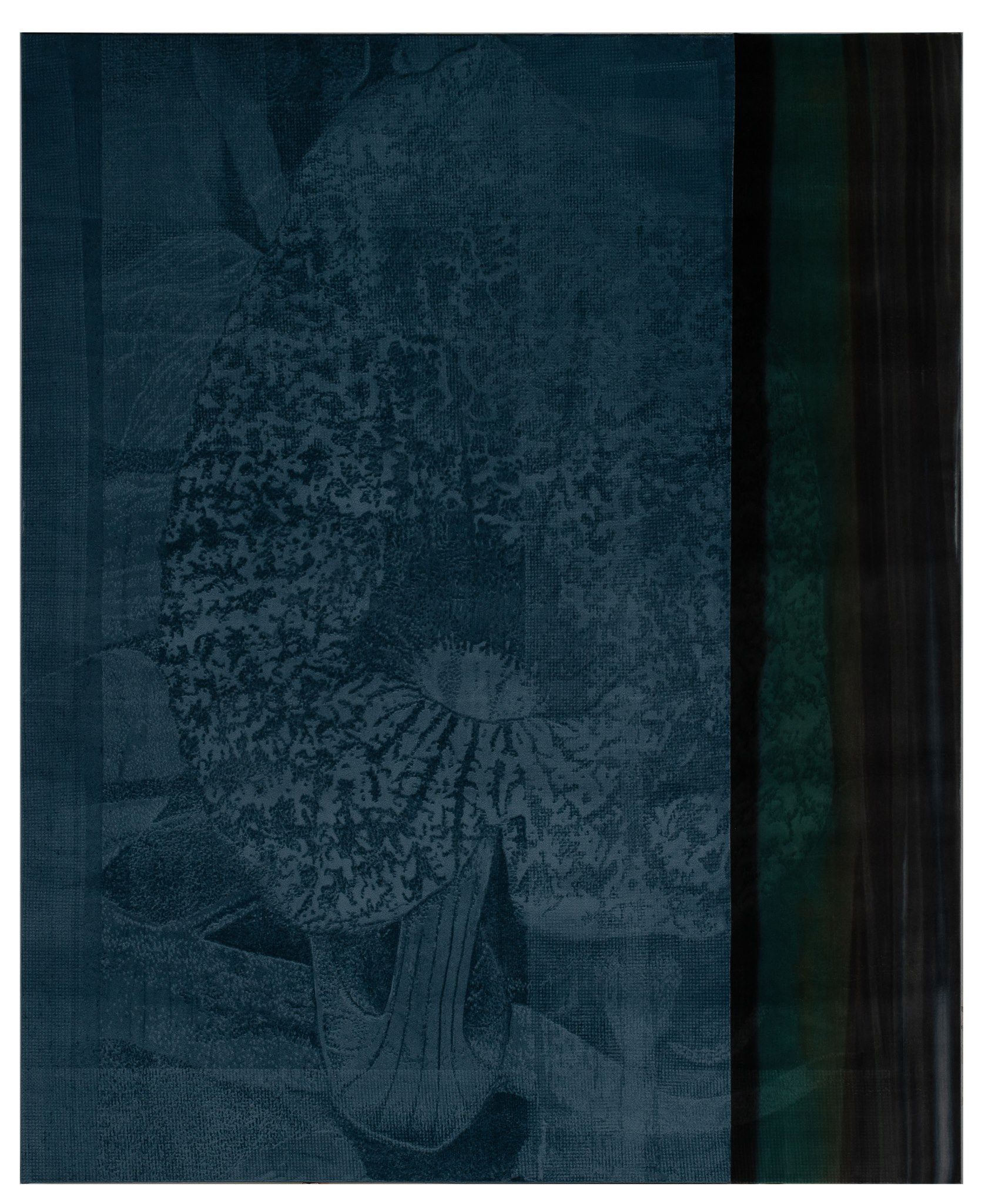
Leonardo Meoni is an Italian contemporary artist based in Prato whose practice moves fluidly between painting, drawing, and sculpture. A graduate of the Academy of Fine Arts in Florence, Meoni has developed a distinctive material language that challenges conventional notions of painting, using velvet, concrete, steel, and found materials to investigate the relationship between image, surface, and perception.
Material experimentation lies at the heart of Meoni’s practice. Rejecting paint as a purely additive medium, he works through gestures of concealment and revelation, manipulating the fibres of velvet with his hands to produce images that emerge and disappear according to shifts in light and the viewer’s position. This process blurs the boundaries between creation and erasure, painting and sculpture, presence and absence. Alongside his celebrated velvet works, Meoni incorporates concrete, steel, and industrial materials into his practice, emphasising the physicality of the artwork while exploring themes of memory, time, and the instability of representation. His surfaces resist immediate legibility, inviting prolonged looking and transforming perception into an active, embodied experience.
In 2024, Meoni had a solo exhibition at the Museo Stefano Bardini in Florence curated by Sergio Risaliti. He has an upcoming institutional show at the Sandra & Giancarlo Bonollo Foundation in Thiane (VI) curated by Marta Papini.
We also interviewed him for our journal — you can read the full interview here.
LVH Art’s List: What to See in London This October