Minimal Legends

6 May – 3 October 2026
Please note this exhibition is by appointment only. Kindly request an appointment at minimallegends@decotiis.it
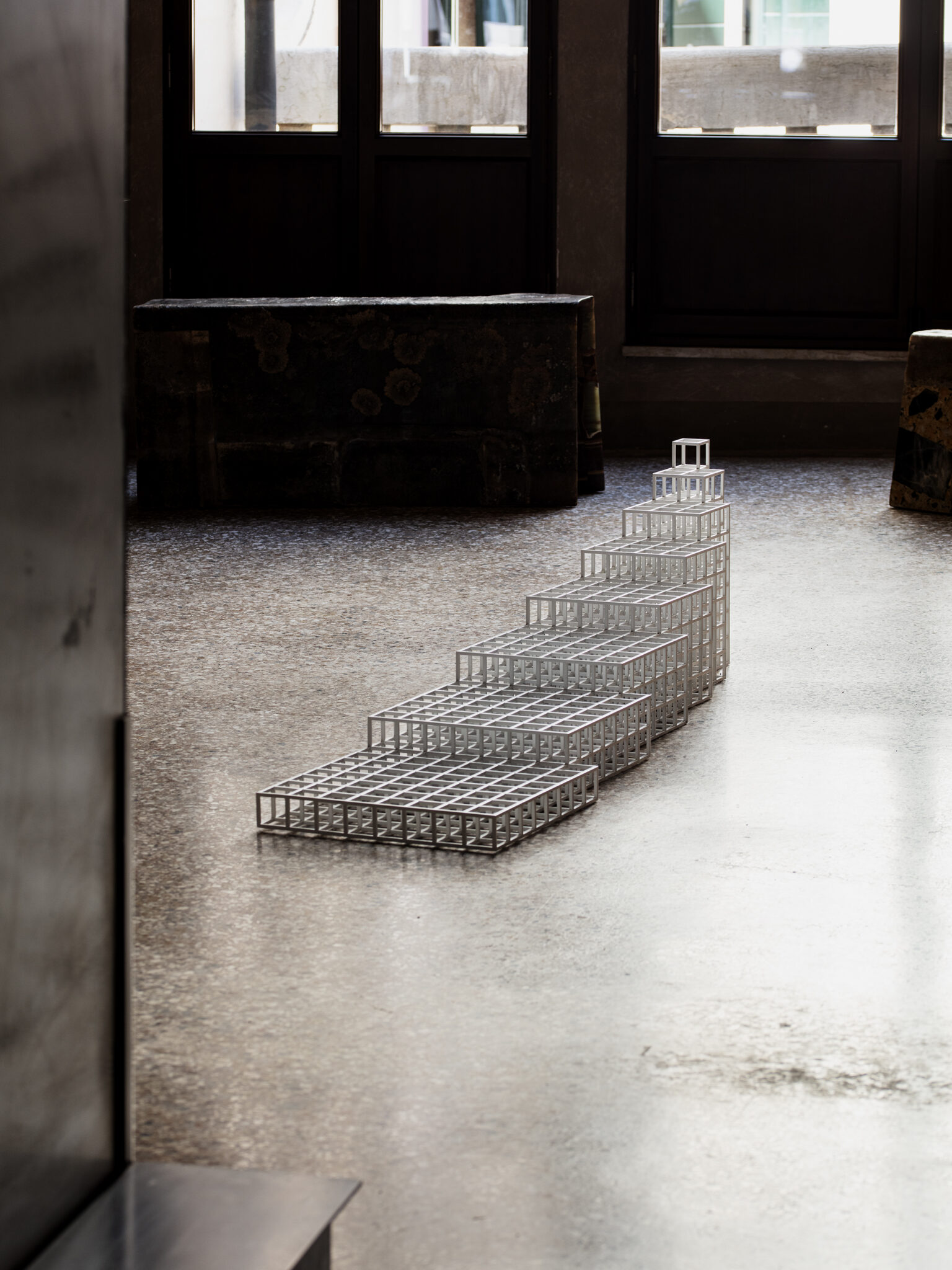
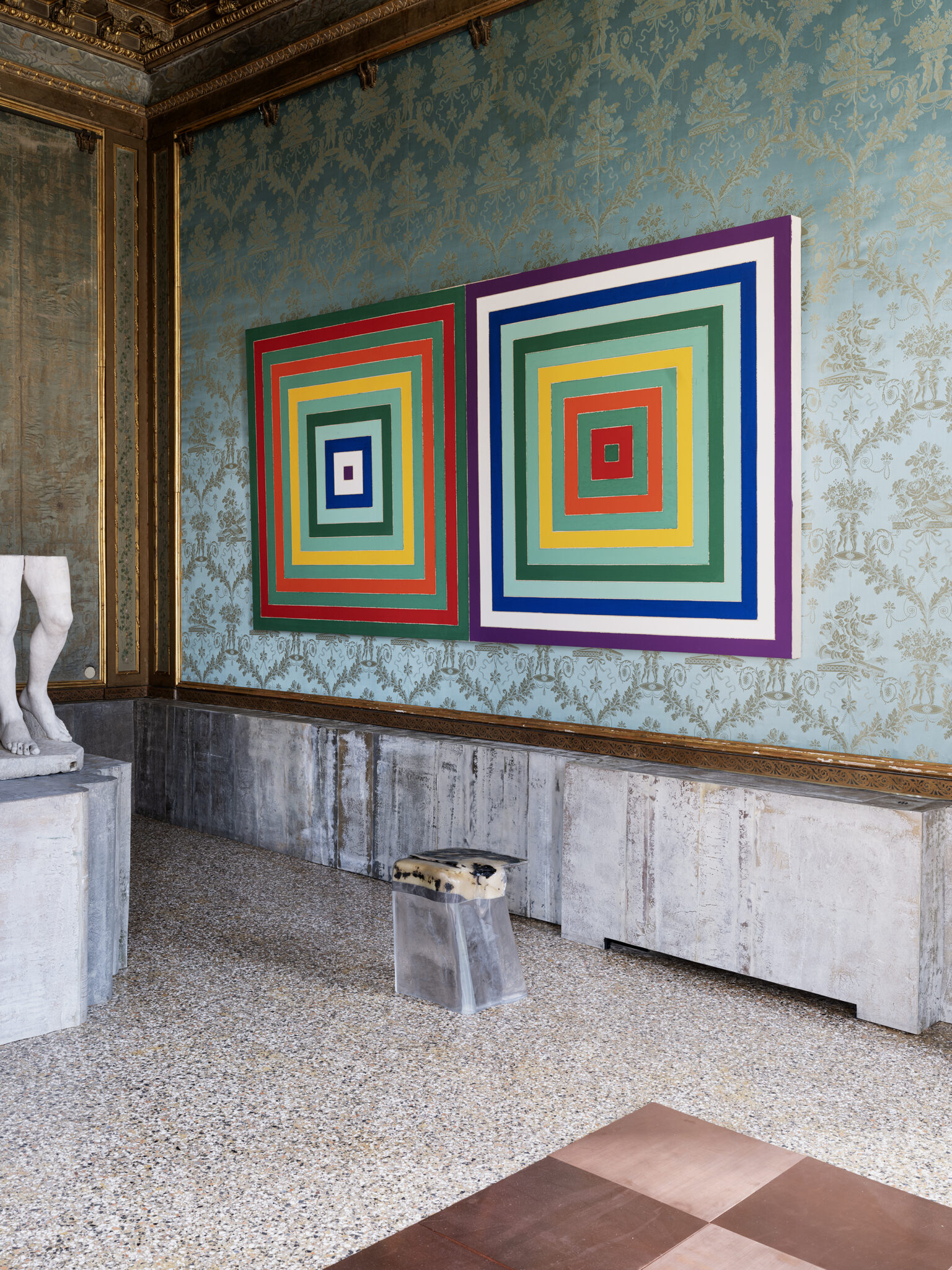
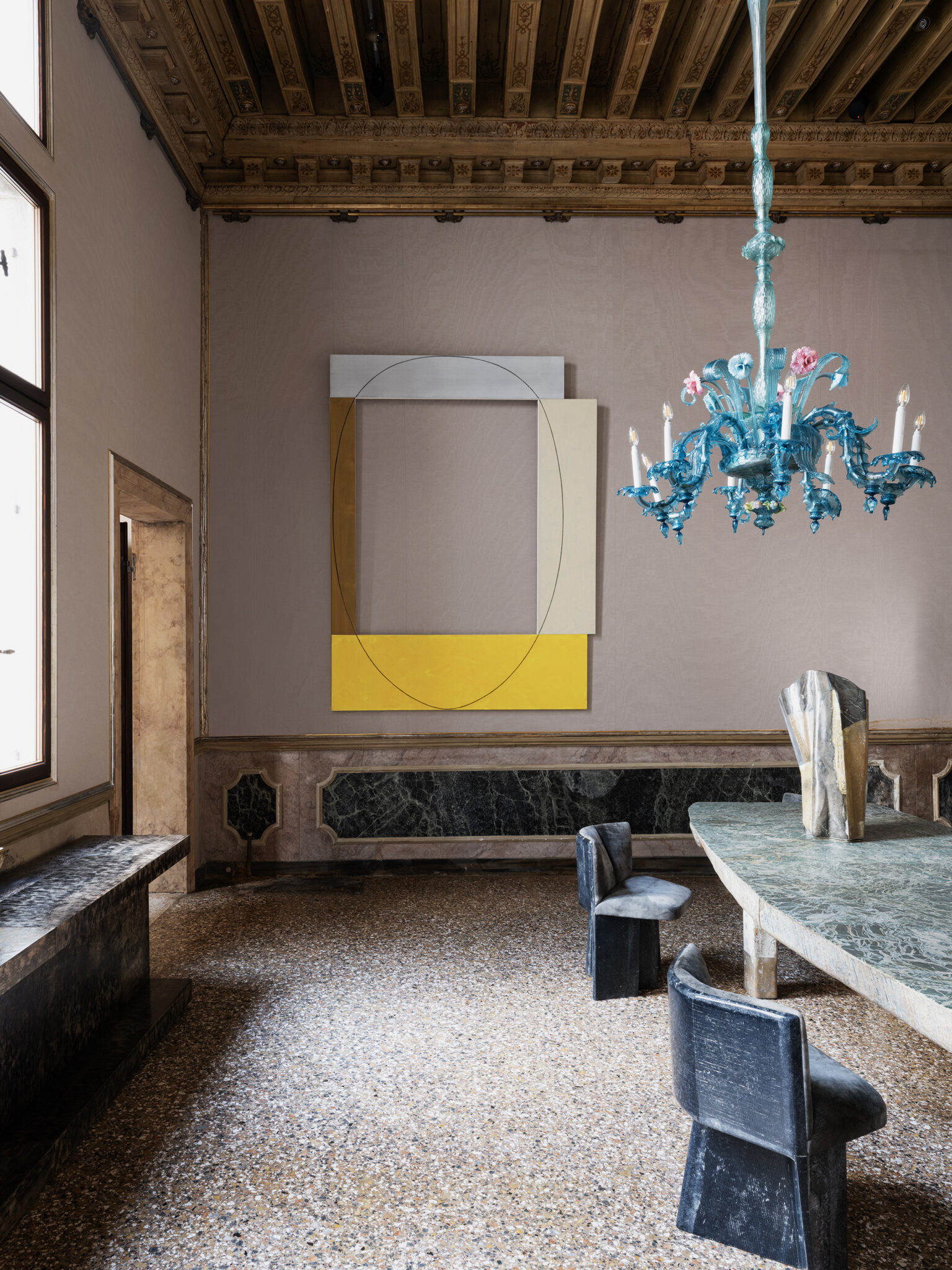
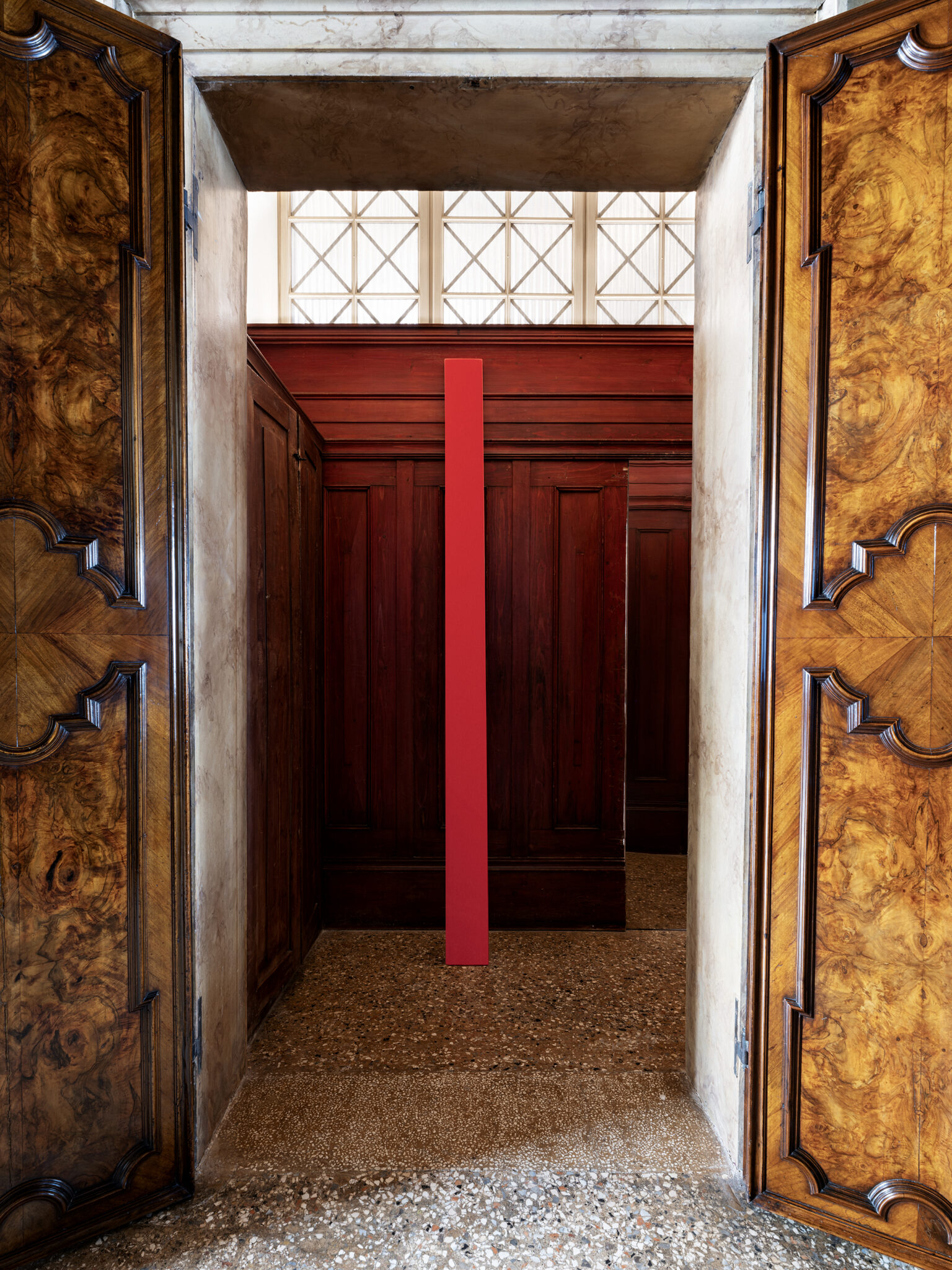
All works presented in this exhibition are grounded in a minimal sensibility, yet many extend beyond its conventional boundaries. While titled Minimal Legends, it moves beyond a strictly “Minimal Art” definition, bringing together artists whose practices expand the term to create a richer, more layered dialogue. Thus, numerous featured artists are also associated with adjacent movements — Sol LeWitt with Conceptual Art, Larry Bell with the Light and Space movement, Mark Rothko with Abstract Expressionism, and John Chamberlain with Abstract Expressionism and Pop Art — yet their work remains part of a broader investigation into form, perception, and reduction that reshaped art in this pivotal period. The connections between these artists are similarly complex and often personal, extending beyond stylistic labels.
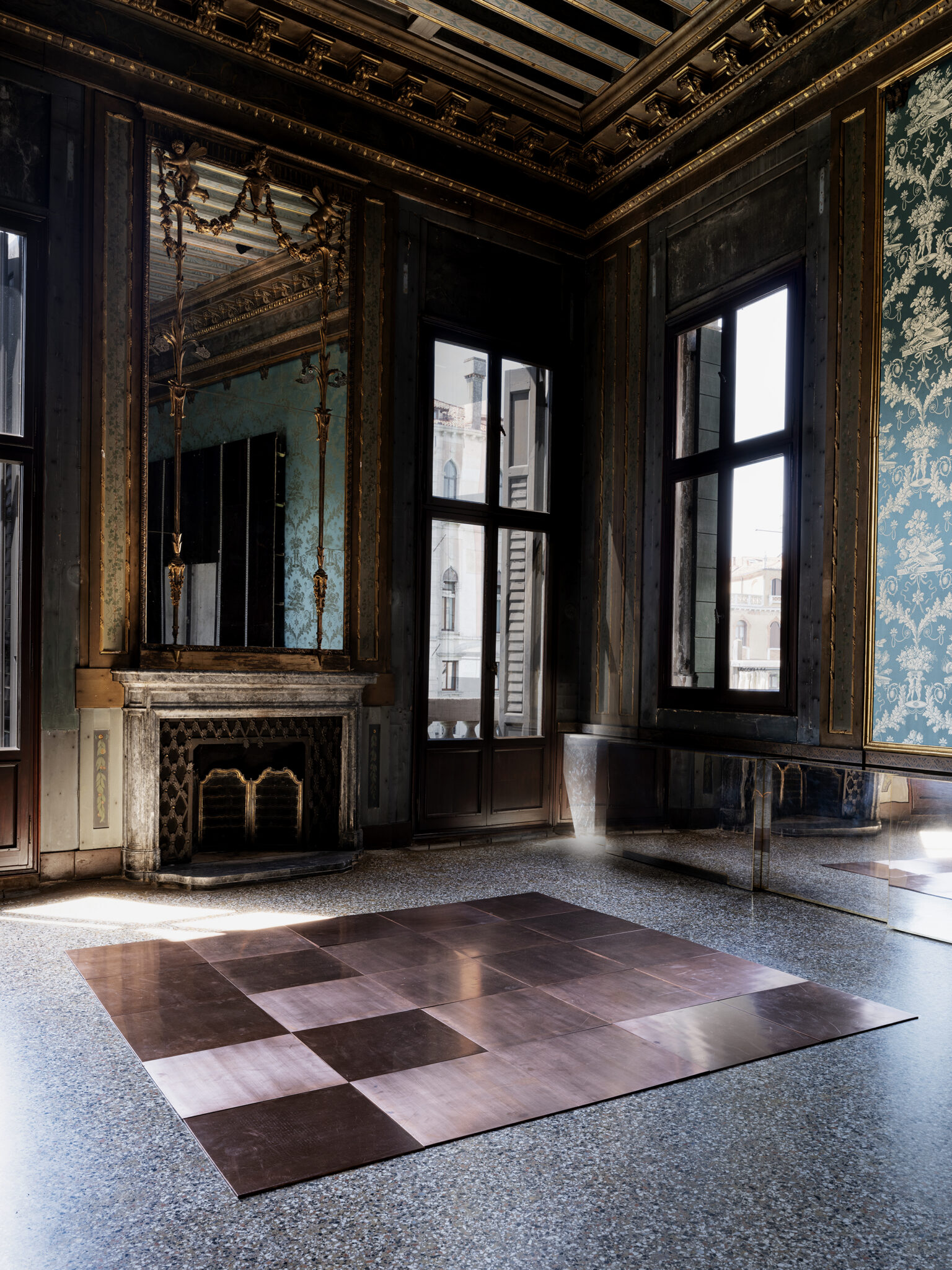
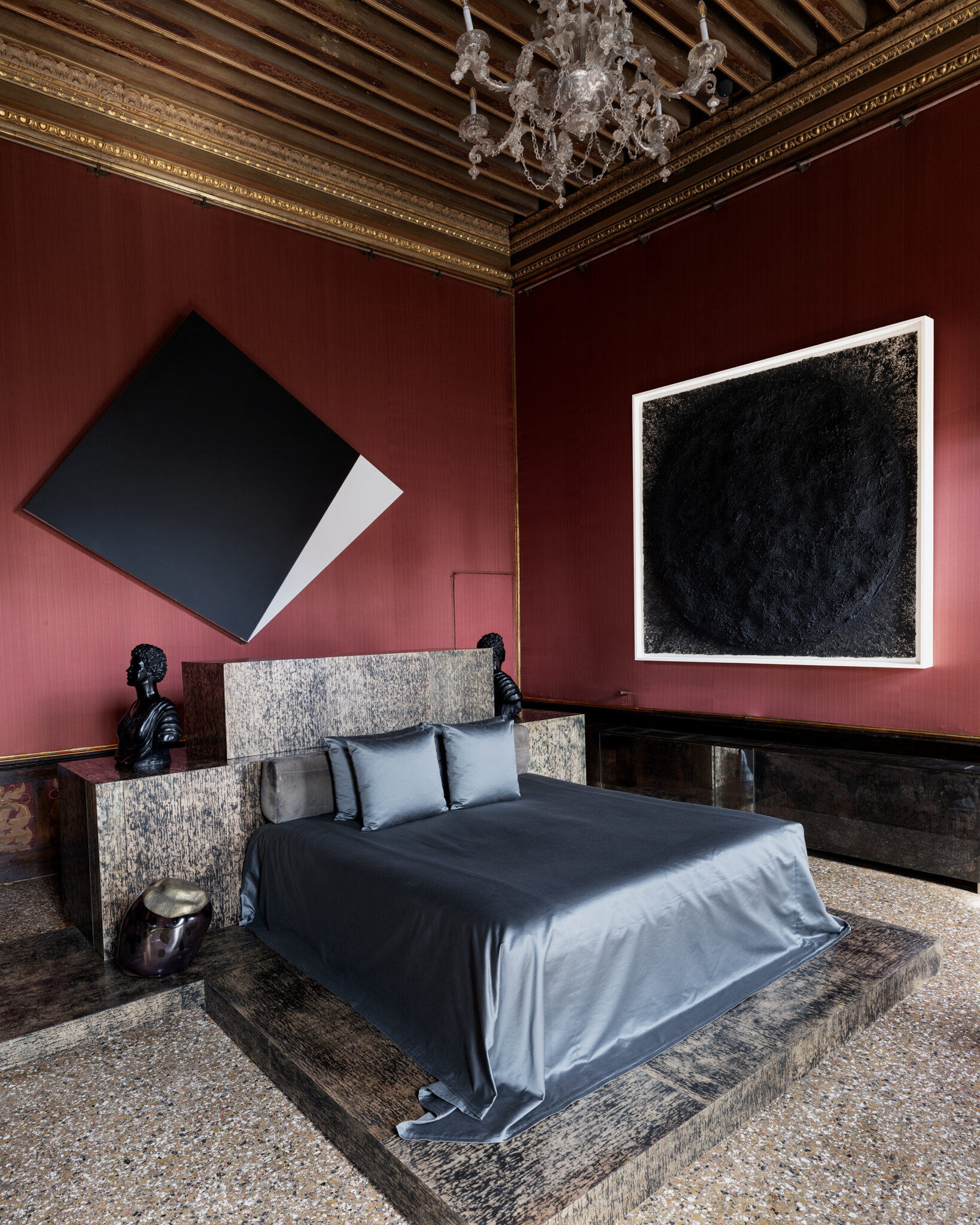
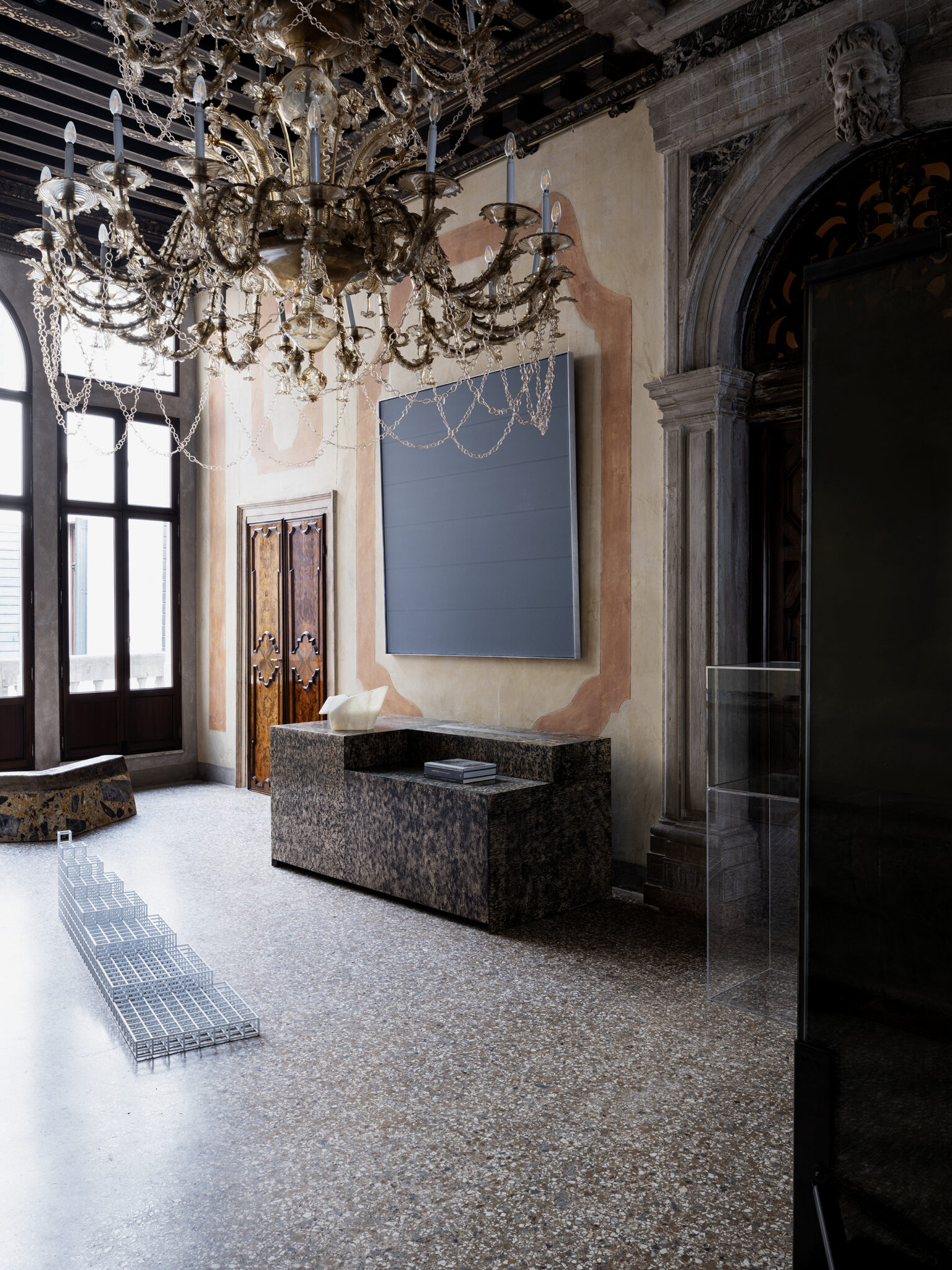
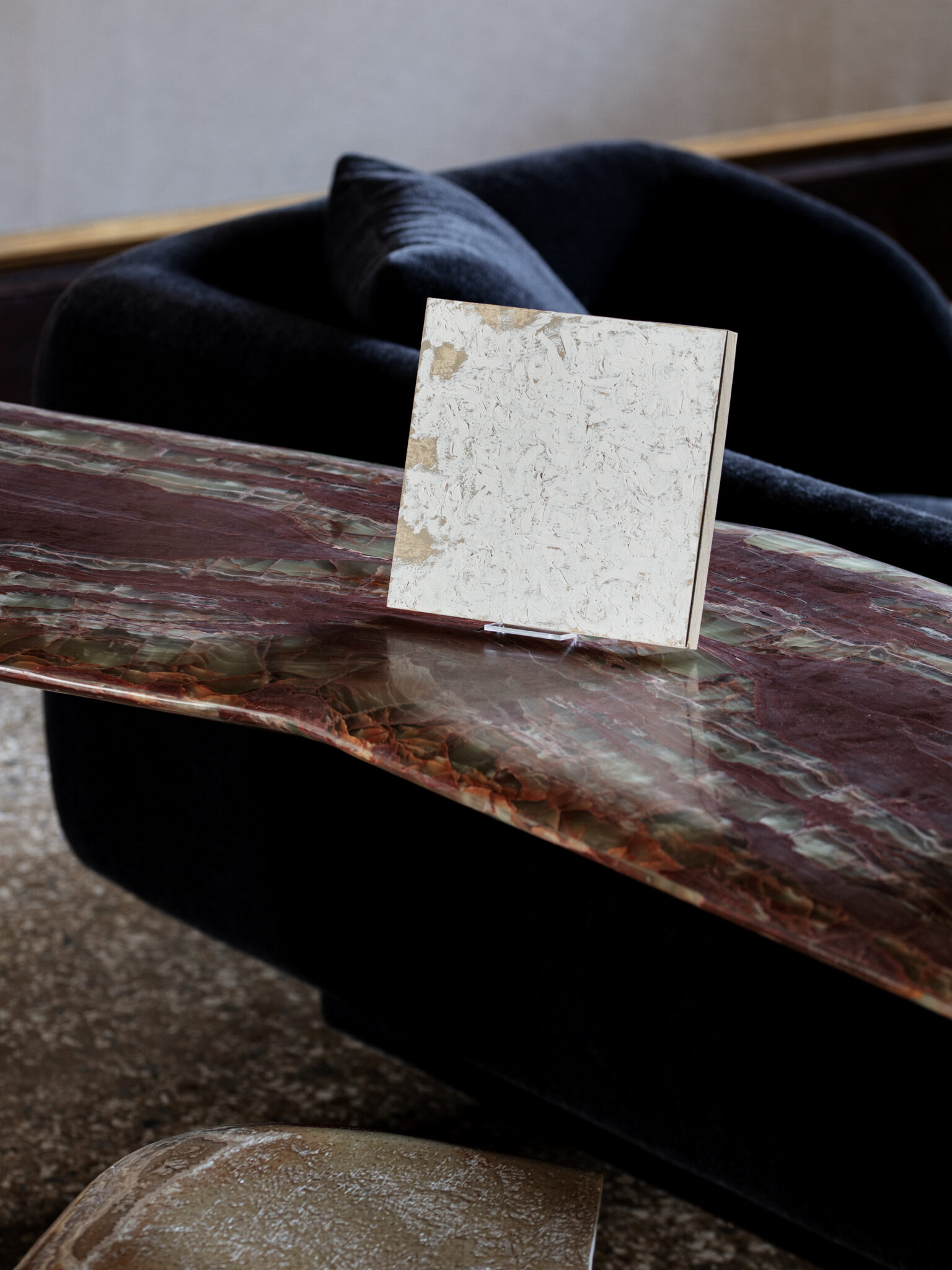
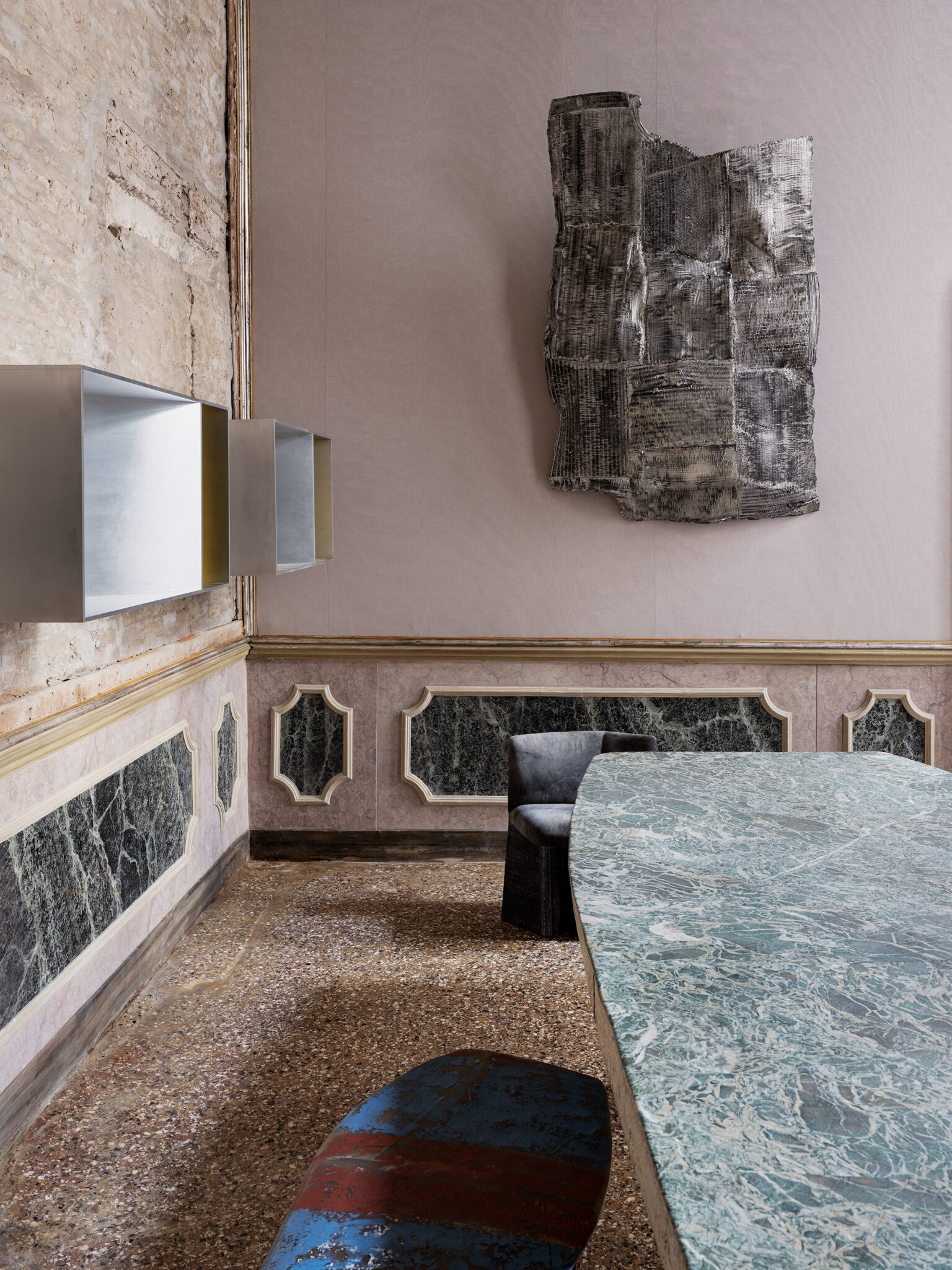
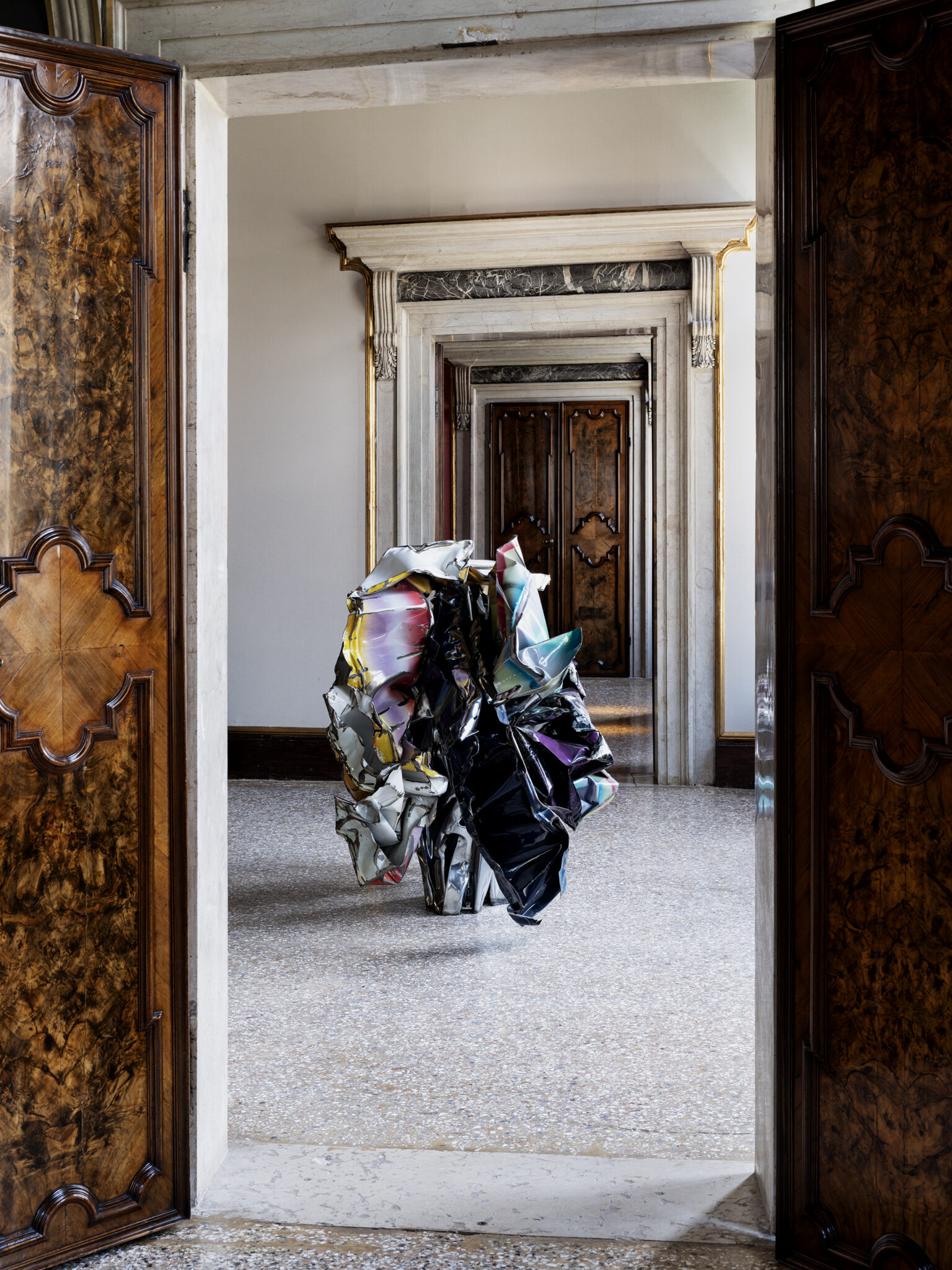
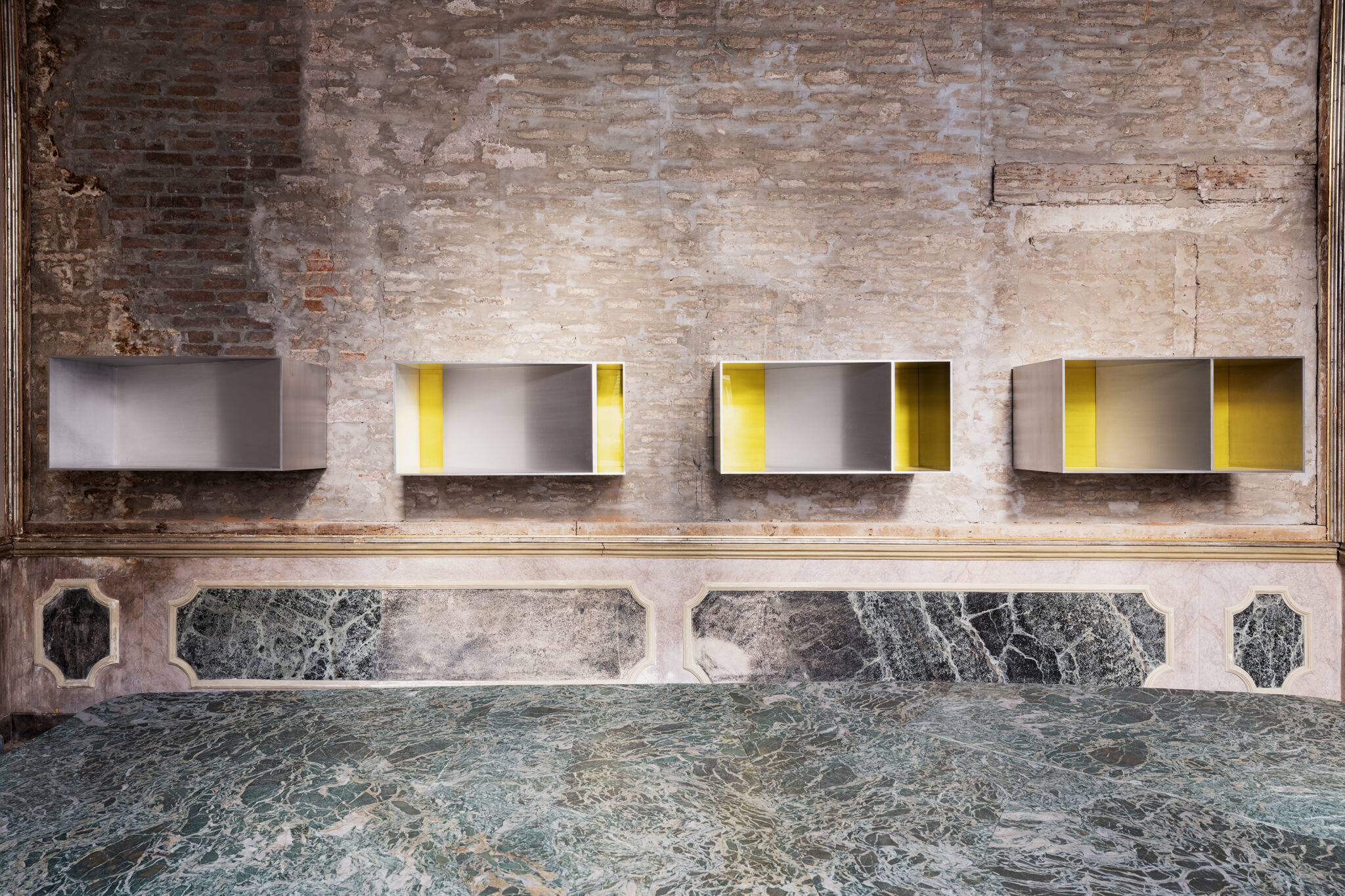
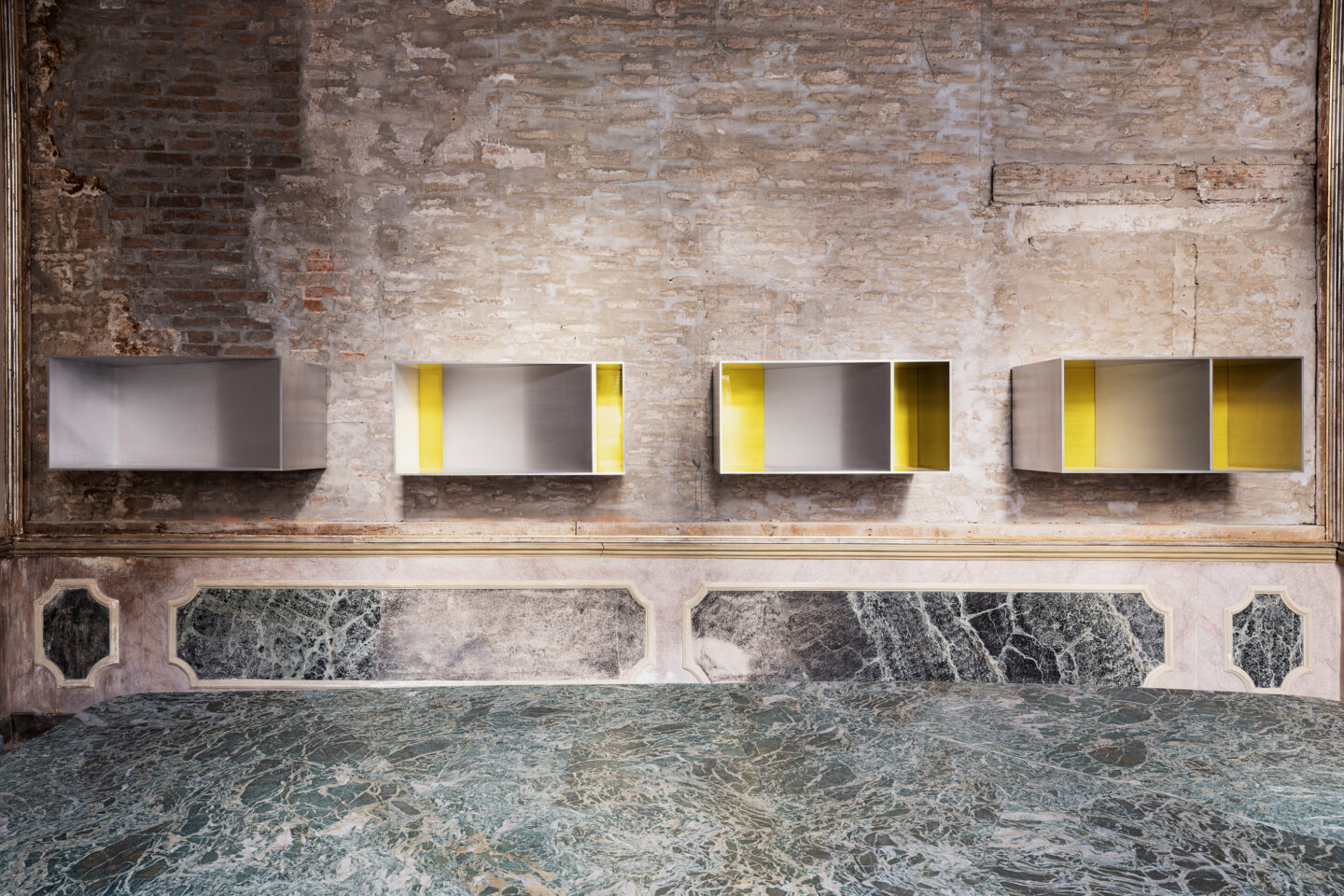
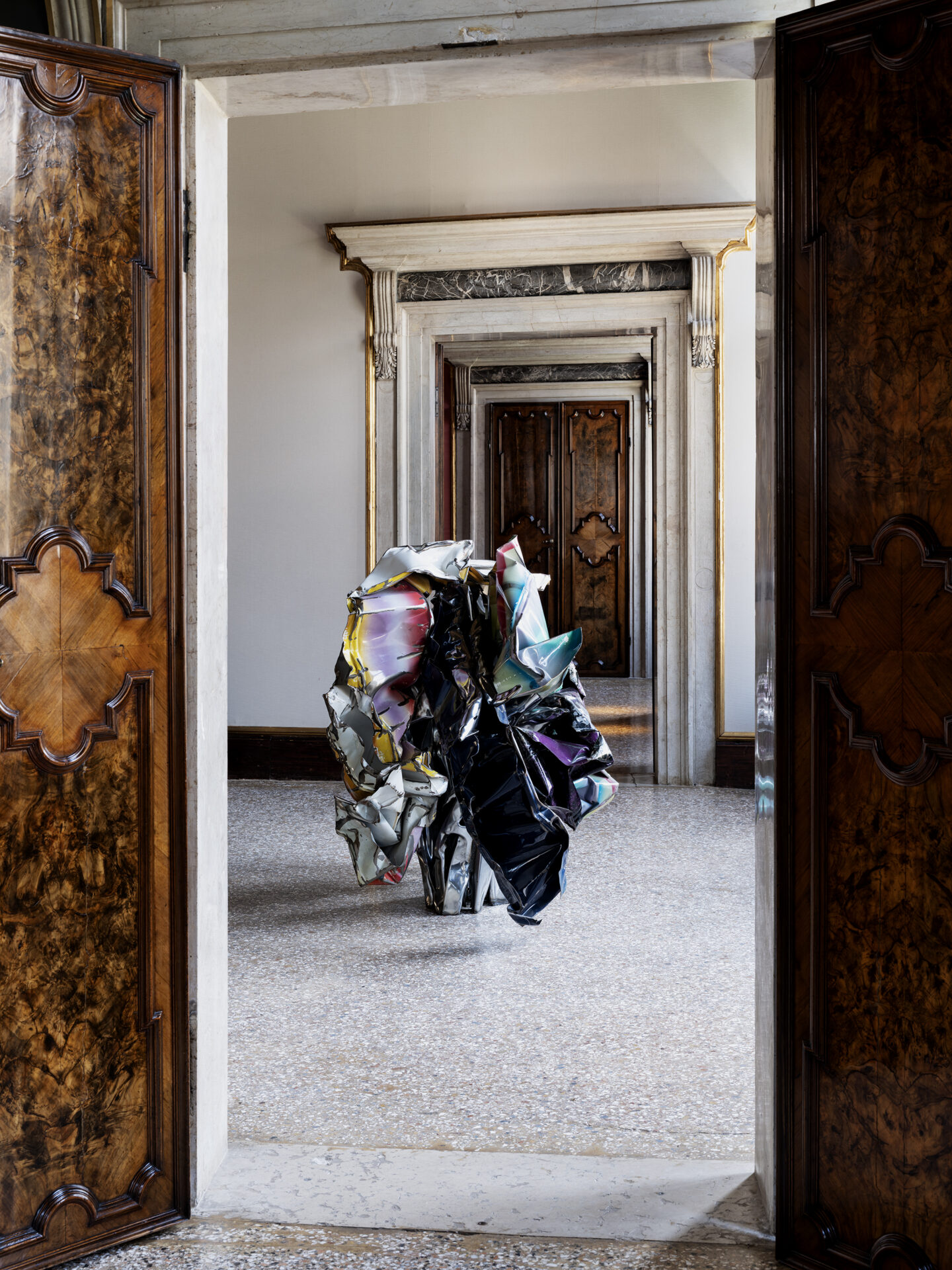
The artists also engage with different principles of Minimalism, with some shifting the artwork from object to experience. Notably, Carl Andre’s Fifth Copper Square (2007) becomes a horizontal, site-responsive plane, while Dan Flavin’s Untitled (to Sabine and Holger) (1966–71) and Larry Bell’s Untitled (1967) use light and reflection to dissolve form. Industrial materials are reimagined across practices, from Untitled (1986–87) by Donald Judd, with its precise, repeated aluminium and plexiglass forms, to Splendid Actor (1989) by John Chamberlain, which offer more expressive, fragmented assemblages of steel. This dialogue is extended in Untitled (1997) by Vincenzo De Cotiis through its exploration of the rich textures of recycled aluminium. The show opens with the two most important female figures of Minimal art, Agnes Martin and Bridget Riley, whose practices explore perception and structure with remarkable mastery.
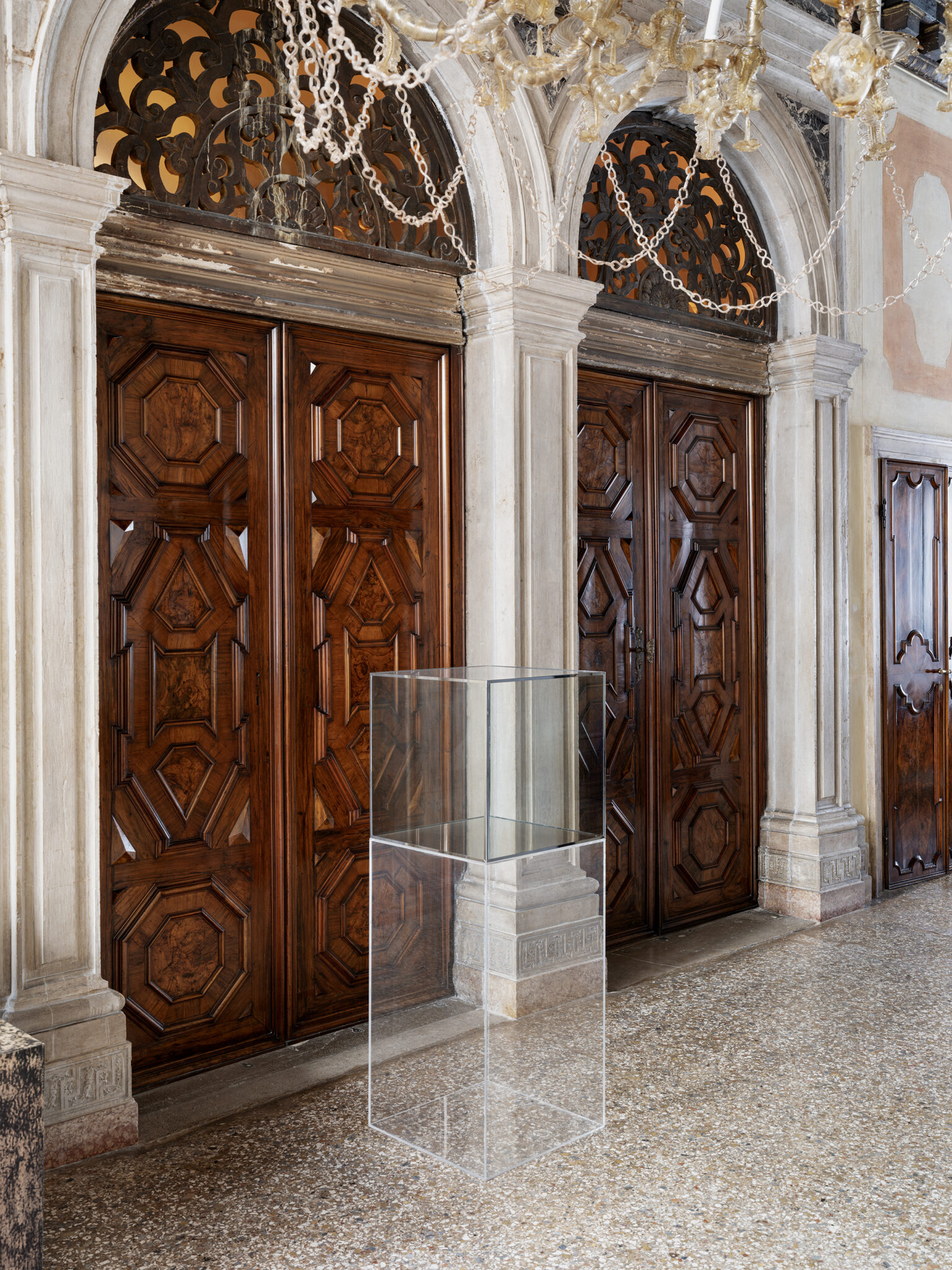
In this exhibition, De Cotiis’ works emerge as a contemporary extension of the Minimalist lineage, defined by a material sensibility in which surfaces bear traces of time, transformation, and stratification. Minimal Legends offers a dialogue across time, where material and history are continuously reimagined, and where light, reflection, space, and surface become active elements within the architecture of the palazzo.
Featured Artists