The Rise of Minimalism Today

The story of Minimalism is often told as an American one, beginning in a handful of New York studios in the late 1950s, gaining its theoretical foundations through the writings of Donald Judd and Robert Morris, and ultimately securing its place within the art historical canon. While this narrative is broadly accurate, it remains incomplete. The impulse to reduce the art object to its material conditions and place renewed emphasis on the viewer’s embodied experience was not confined to a single city or generation. Rather, it emerged simultaneously in different parts of the world, shaped by distinct cultural contexts, artistic traditions, and historical pressures.
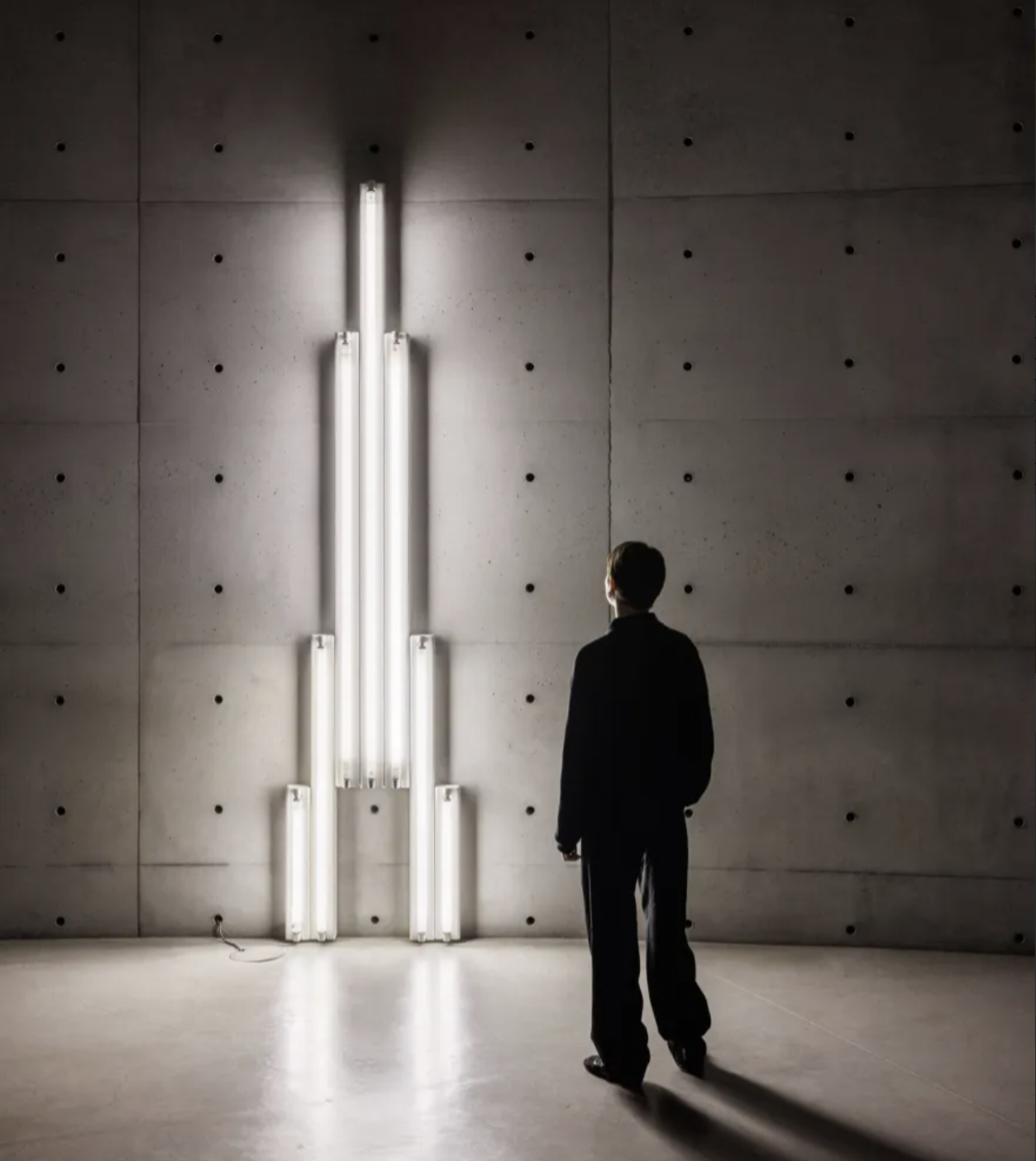
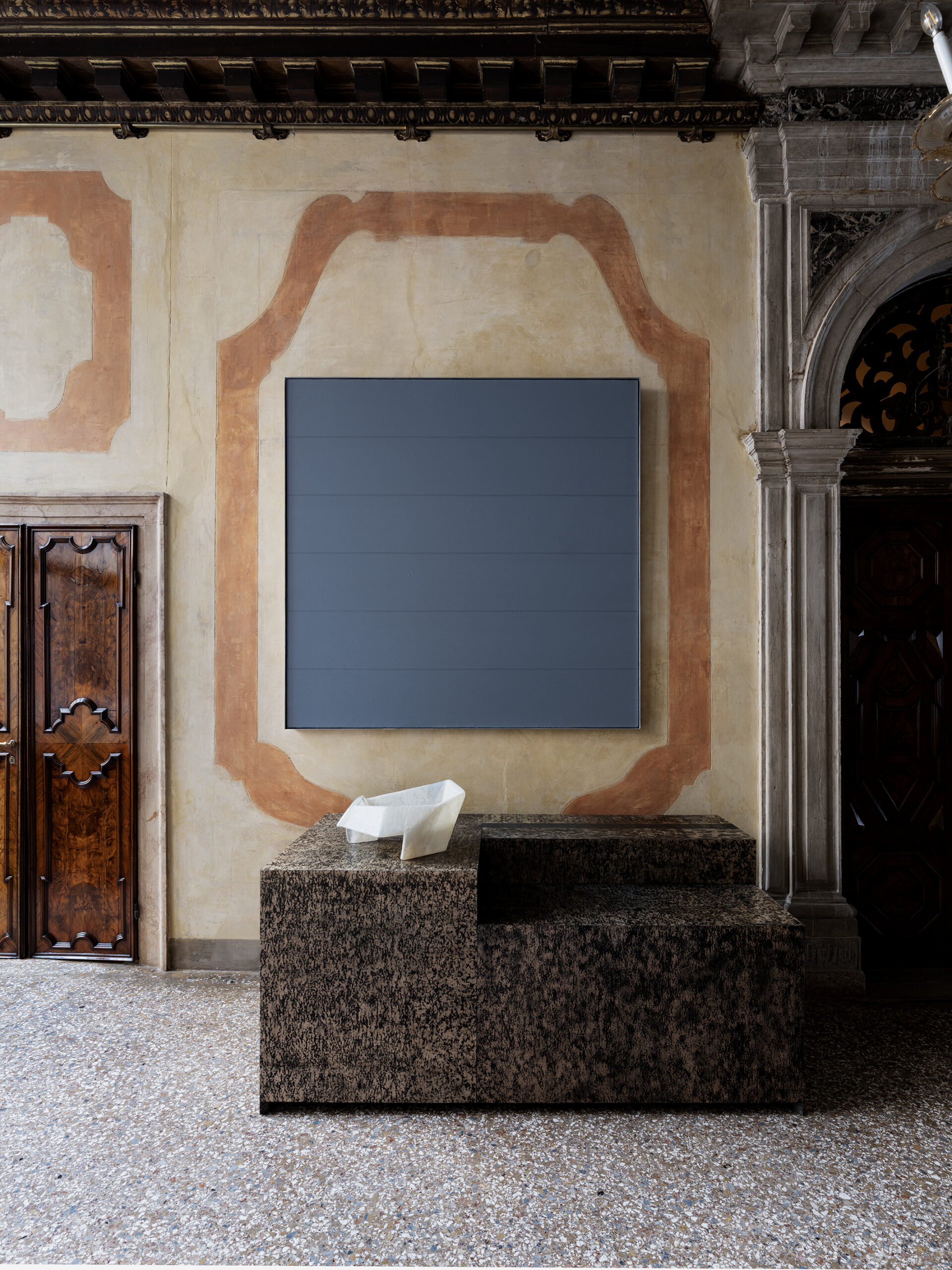
This essay looks beyond the figures featured in Minimal Legends at the Vincenzo De Cotiis Foundation in Venice, alongside those included in the exhibition. In doing so, it examines both the shared concerns that united those associated with Minimalism and the significant ways in which their practices diverged. Although the Minimal Legends exhibition focuses primarily on American art, Minimalism itself was never limited to the United States and what is easy to forget, looking back, is that Minimalism did not begin as a movement in any organized sense. As the art historian James Meyer has explained, it grew out of circles of friends – a handful of people in continuous dialogue, working alongside one another, often within the same institution. The Museum of Modern Art in New York was its unlikely incubator. Sol LeWitt worked the front desk. Robert Ryman, who had arrived in the city hoping to become a jazz saxophonist, took a job as a security guard. Robert Mangold came on as a summer library replacement; Dan Flavin worked there as an elevator operator. Surrounded daily by the history of modern art, these young artists absorbed its lessons, questioned its assumptions, and gradually began to forge something new.
The Limits of the Label
Minimalism was supposed to reject referentialism entirely. The work was to be self-evident, literal, and without allusion. What you see is what you see, as Stella put it, and nothing beyond. And yet references kept seeping back in, and the artists who were labelled as Minimalists resisted it almost without exception. LeWitt refused it. Ryman refused it. LeWitt argued that labels such as Minimalism, as well as categories like painting and sculpture, imposed unnecessary constraints on artists. As LeWitt noted, “When words such as paintings and sculpture are used, they connote a whole tradition and imply a consequent acceptance of this tradition, thus placing limitations on the artist who would be reluctant to make art that goes beyond the limitations.”
The American artist, Anne Truitt is perhaps the most illustrative case. The art historian Amy Goldstein identifies her as the first artist to be given the Minimalist label, following her debut solo show at the Emmerich Gallery in 1963. And yet Truitt’s painted sculptures – those tall, slab-like forms, severe in their geometry – carry within them a personal geography: the fences and tombstones of the small American town where she grew up. They are Minimalist in their formal economy, but they are not without memory. Donald Judd denounced her first show on precisely these grounds. The colour planes, he argued, were not sufficiently congruent with the shape: they introduced a compositional subjectivity, an emotional remainder, that he found destabilising.
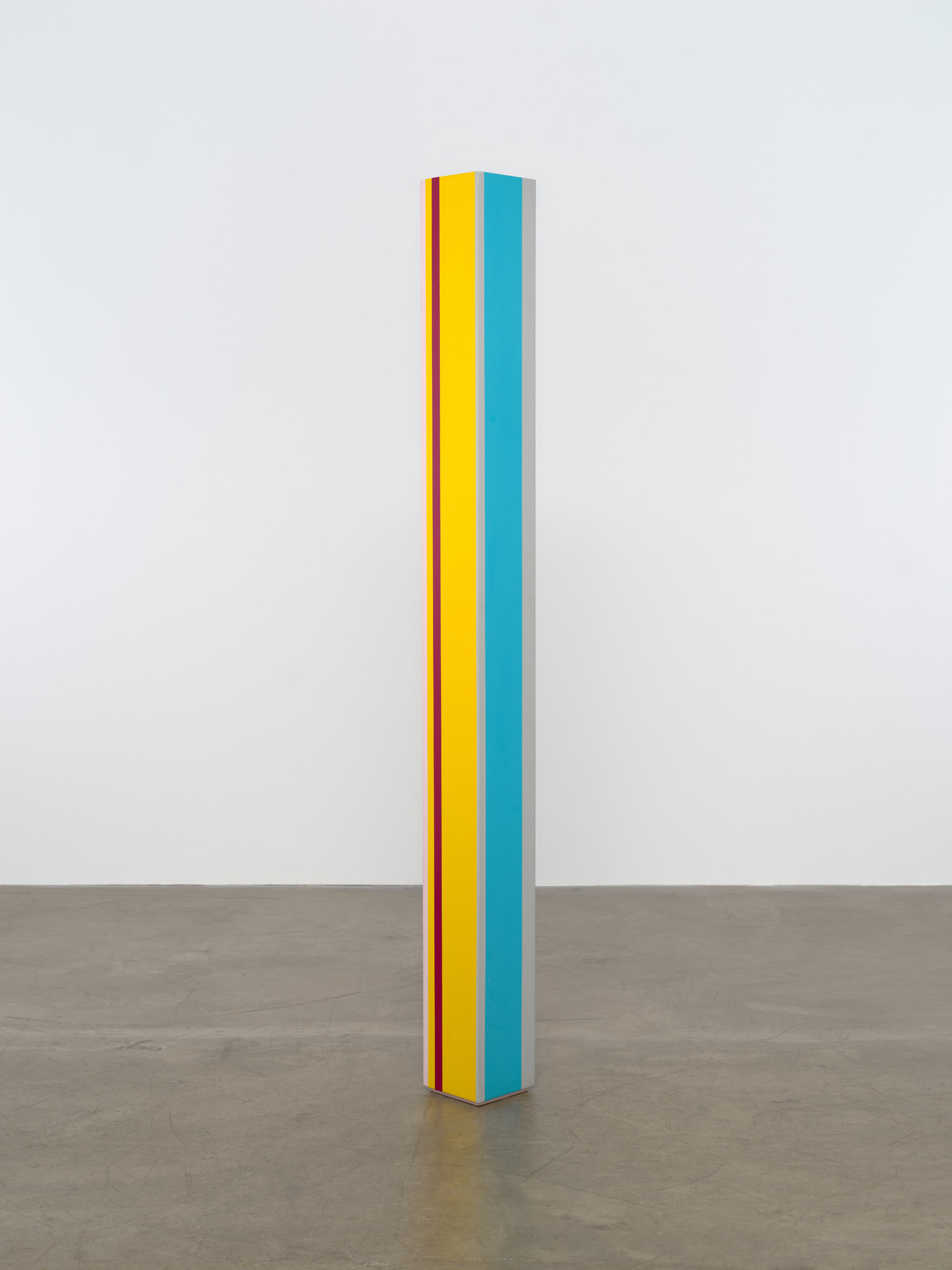
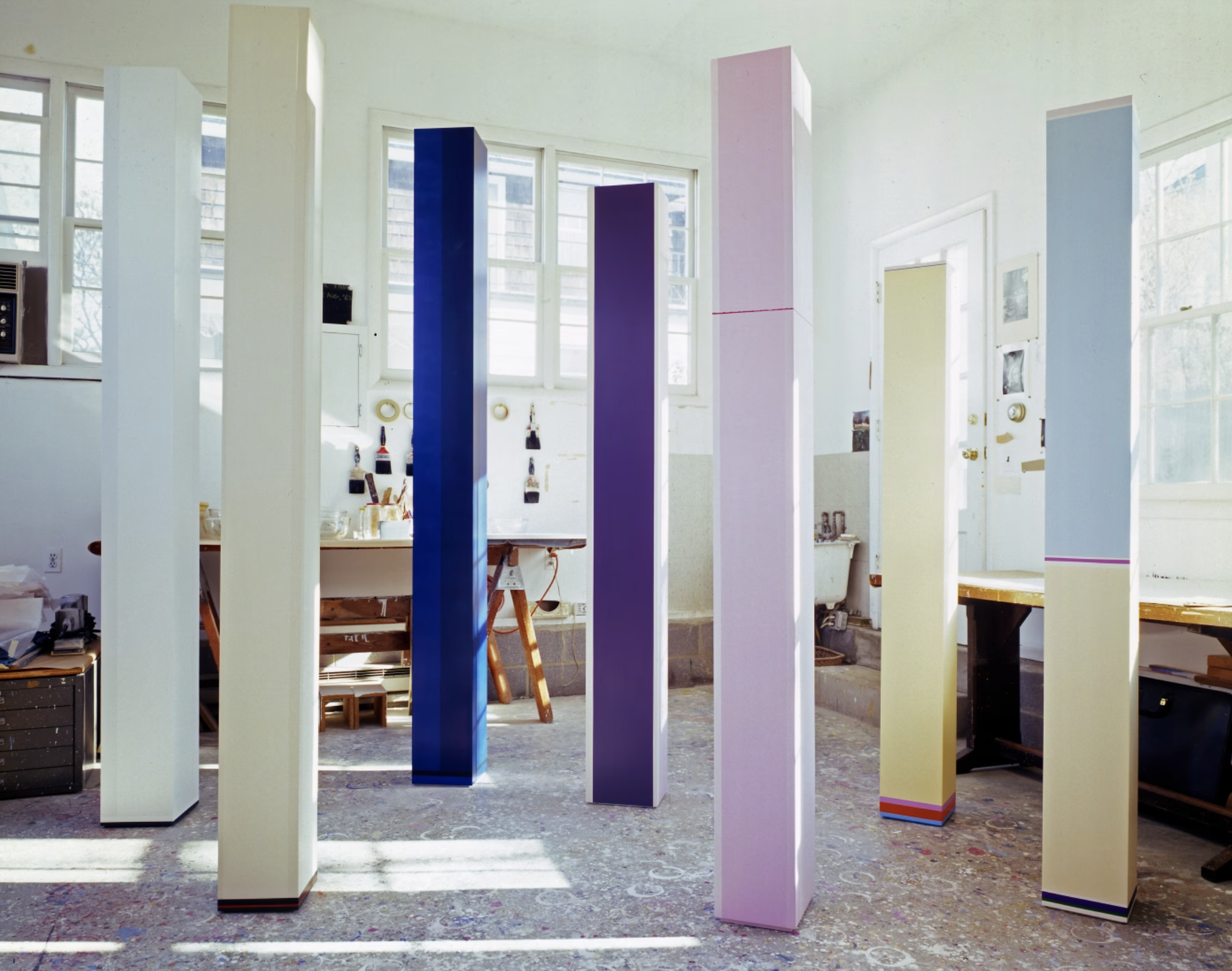
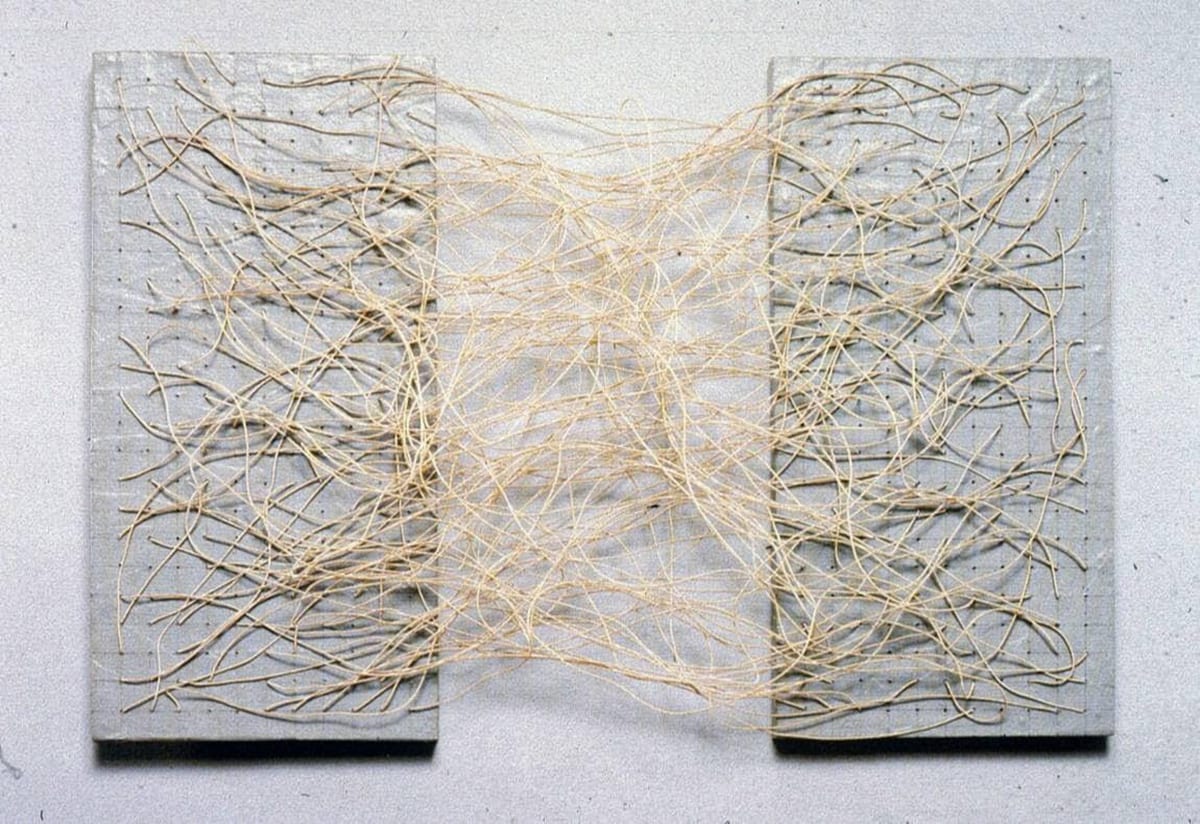
The disagreement was more than a stylistic one. It exposed a tension at the heart of the movement between the desire for pure objectivity and the irreducible presence of the artist’s hand, history, and body. Complete objectivity was an ideal rather than a possibility. Eva Hesse is the clearest example. She entered the conversation partly through Sol LeWitt, whose early influence exposed her to the movement’s emphasis on order, repetition, and systems. But in Hesse’s hands, the grid begins to unravel. Her wire works move through the logic of the system only to disrupt it: structure dissolves into entropy, form into precariousness, order into something that looks like life in the process of coming undone. Her work is not autobiographical. But traces of lived experience remain embedded in it, and no purely formal analysis accounts for what those traces do.
A Movement Without Borders
The conventional history locates Minimalism in the United States because that is where its most visible theoretical frameworks were produced and its most canonised figures worked, but the movement was very much an international one. Artists across Asia, Europe, North and South America were, at the same moment and often without direct contact with New York, stripping their work back, questioning inherited conventions of display and representation, and returning attention to the conditions of material, space, and the viewer’s body.
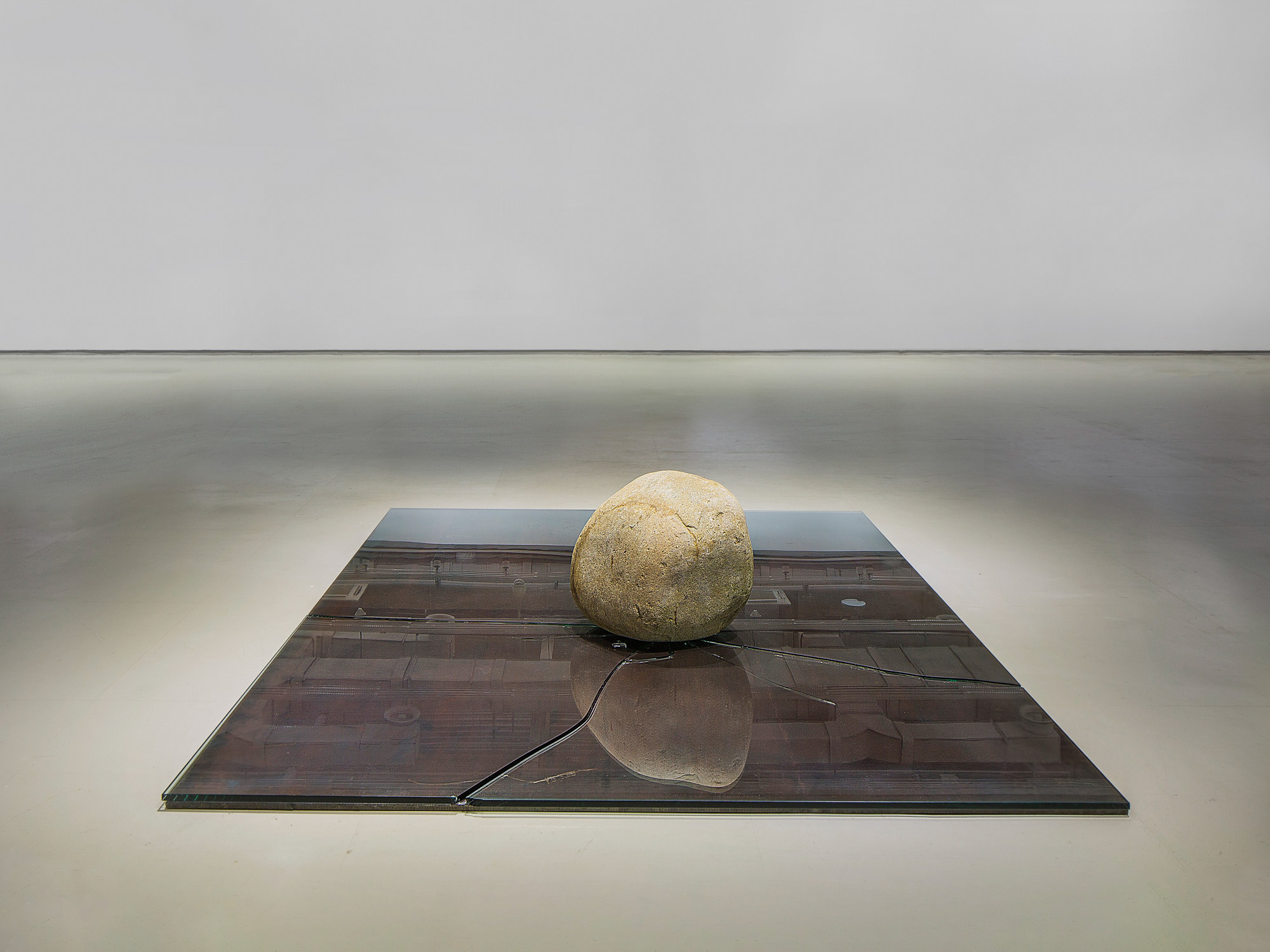
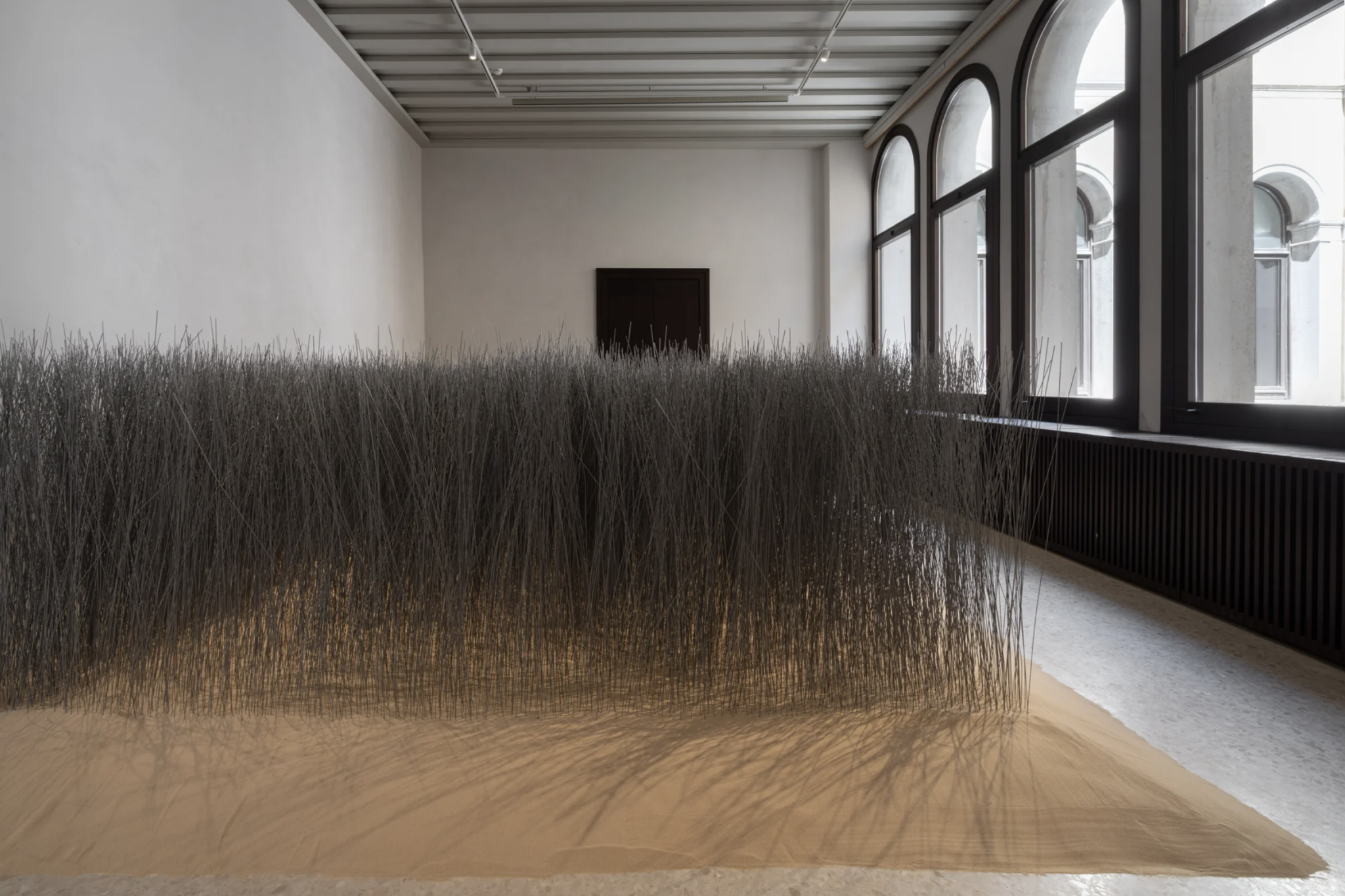
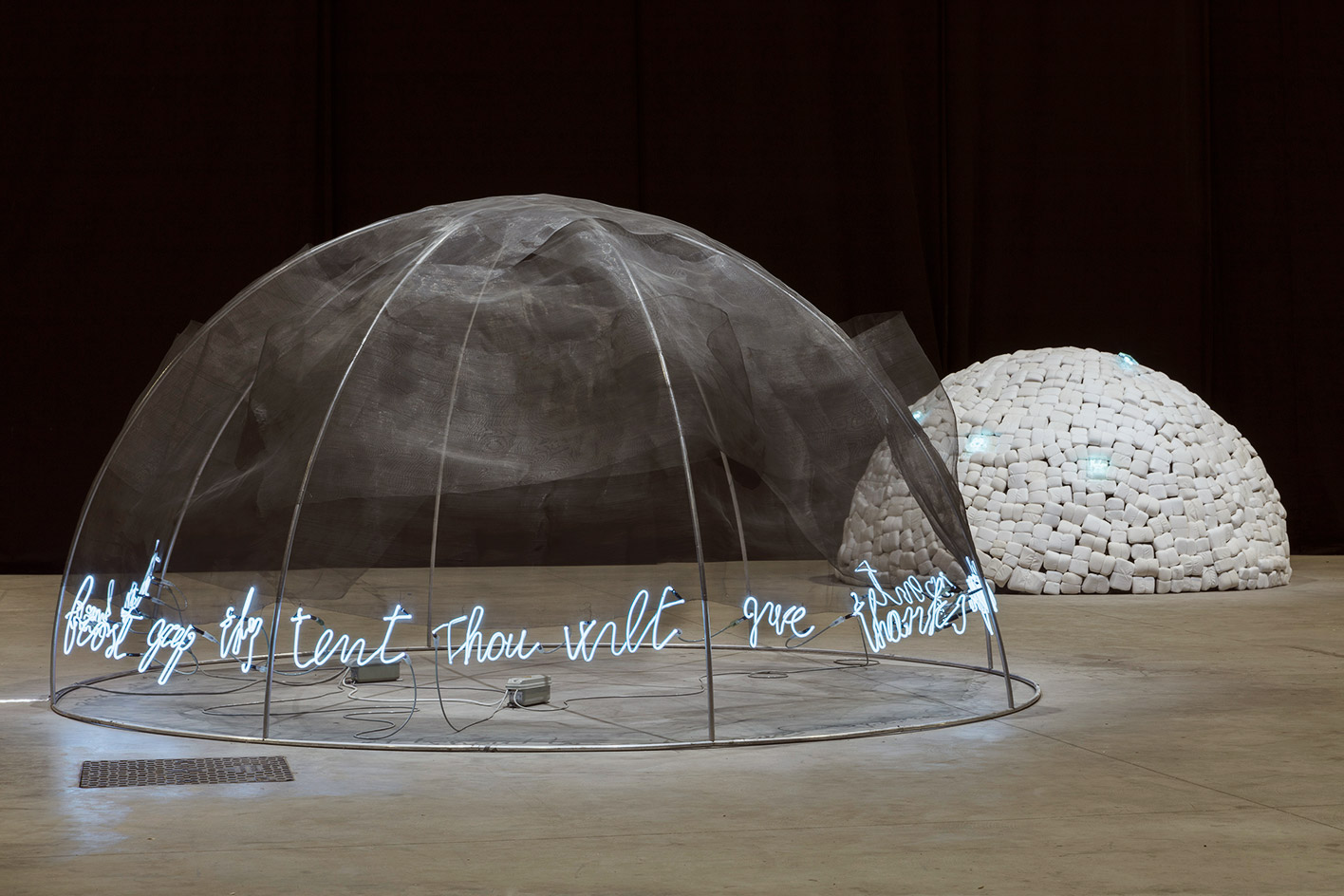
In Japan, the Mono-ha movement – the name translates roughly as School of Things – explored the relationship between materials, objects, and surrounding space by presenting elements in their natural, unaltered state. Whereas Judd fabricated objects with industrial precision and Flavin worked with commercially available materials, Mono-ha artists brought together raw, often unaltered materials – placing stone against steel, for example, or leaning timber against a gallery wall – and treated the relationship between those materials as the work itself. In this respect, Mono-ha shares certain concerns with American Minimalism: both reject traditional compositional strategies and direct attention to the viewer’s encounter with the work. However, the intellectual foundations of the two movements differ. American Minimalism emerged largely from concerns with form, perception, and objecthood, whereas Mono-ha drew on philosophical traditions that emphasise presence, impermanence, and the dynamic relationships that arise when disparate materials are brought together.
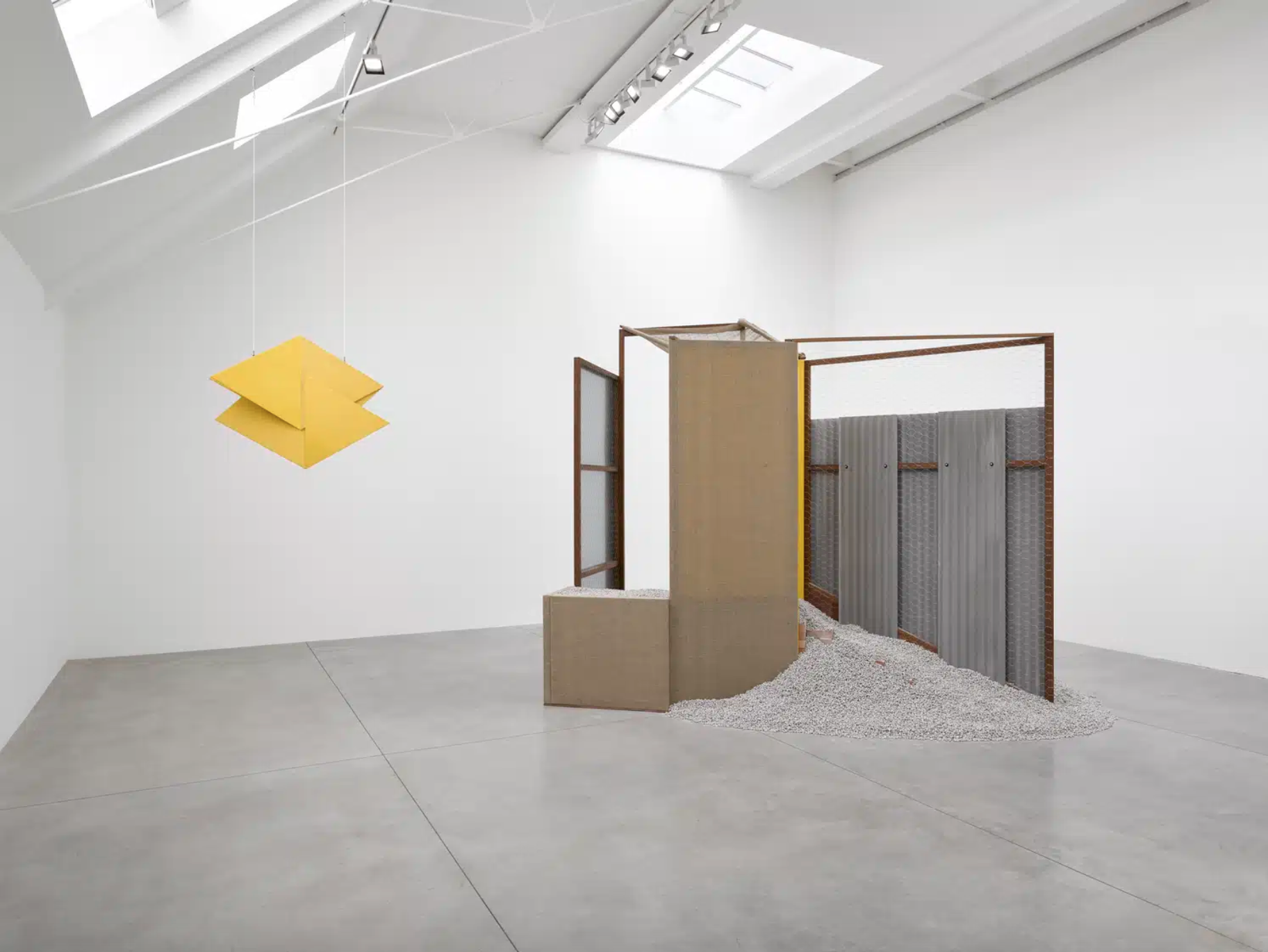
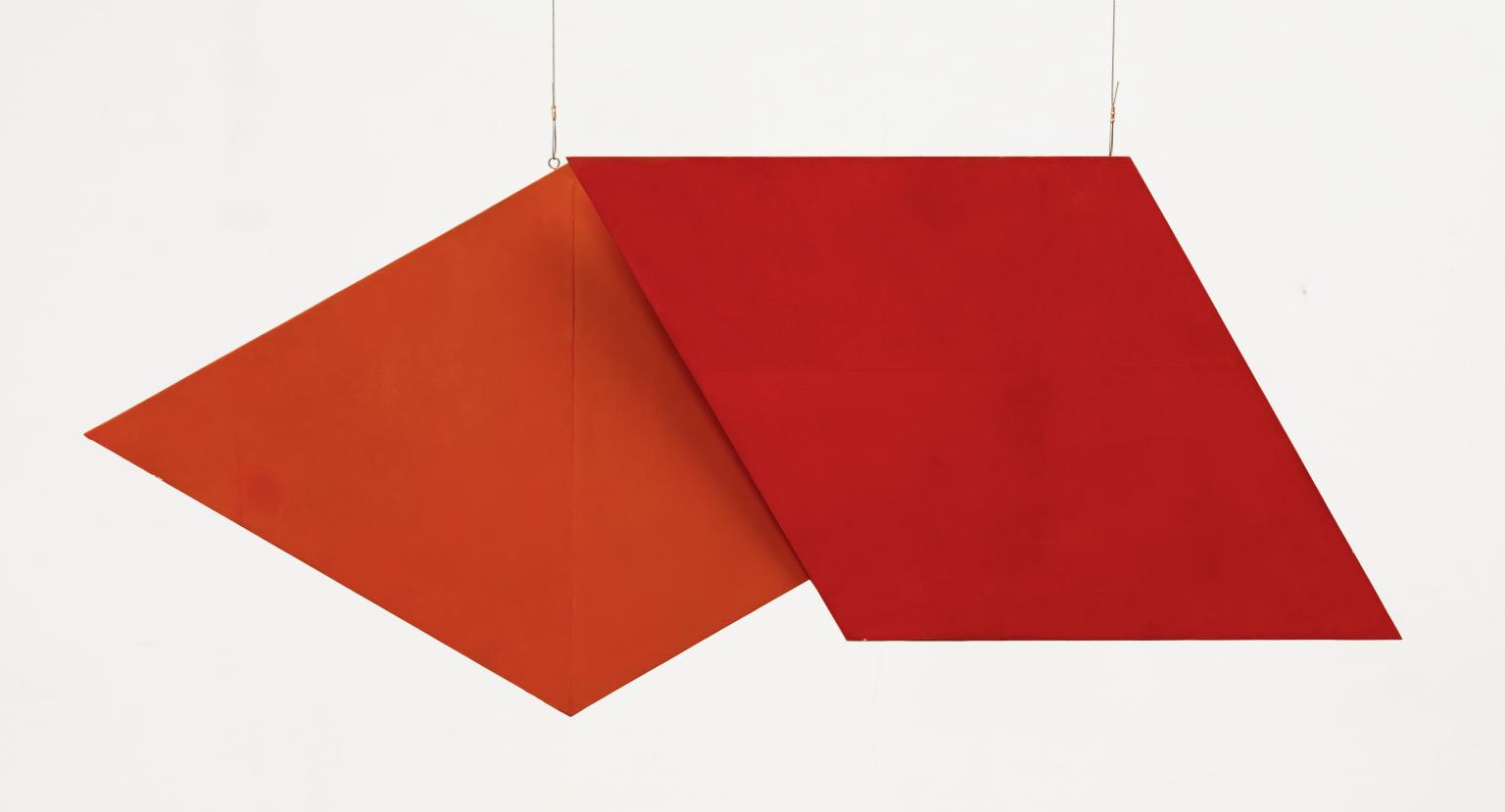
In Brazil, the Neo-Concrete movement rejected the strict geometric rationalism of Concrete art in favour of something more bodily and relational. Lygia Clark and Hélio Oiticica – the two artists whose names now define the movement – insisted that the viewer was not a passive recipient but an active participant without whom the work remained incomplete. Clark’s relational objects were designed to be held, worn, and manipulated. Oiticica’s wearable Parangolé capes turned the viewer into the work itself. This is a more radical proposition than anything the American Minimalists attempted: where Andre invited you to walk on the copper plates and feel the weight of the material beneath your feet, Clark and Oiticica asked you to put the sculpture on your body and become it. The object and the viewer, in their formulation, were inseparable from the start.
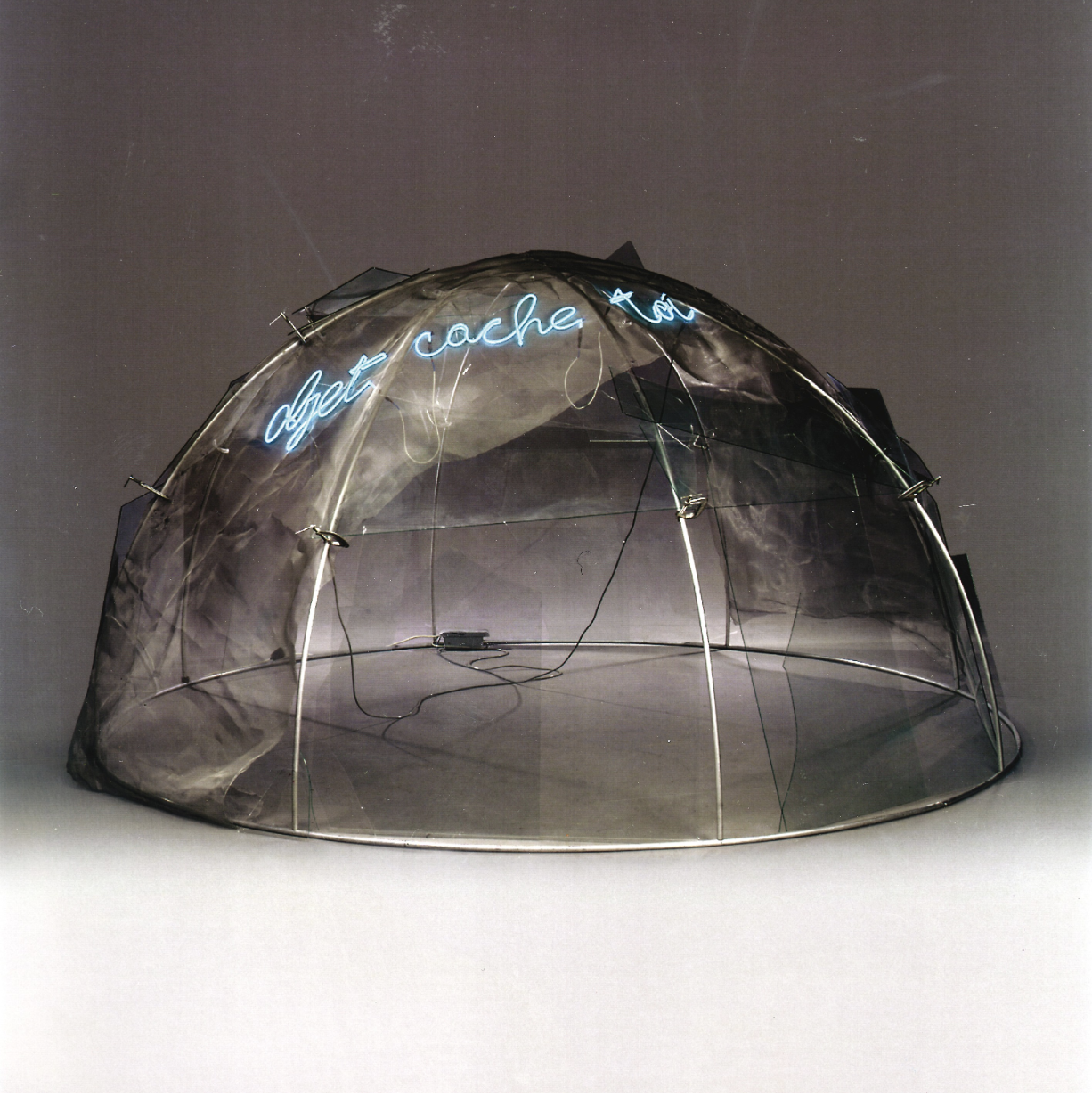
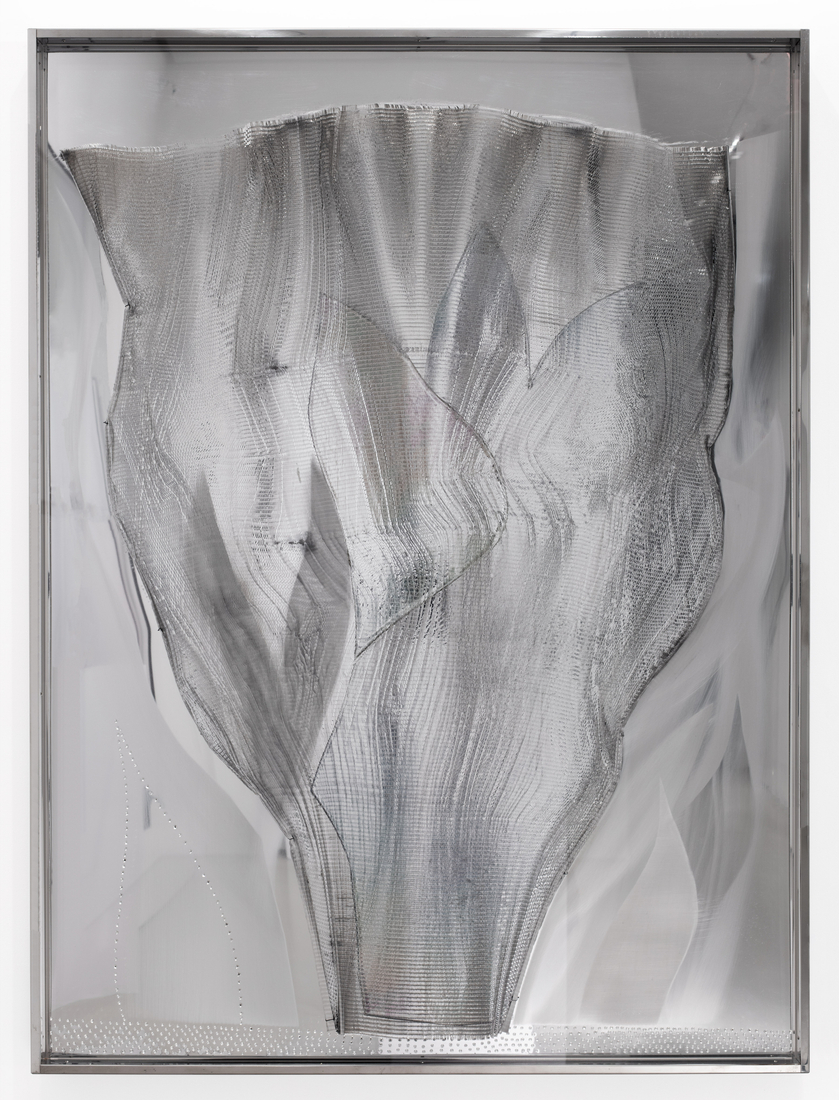
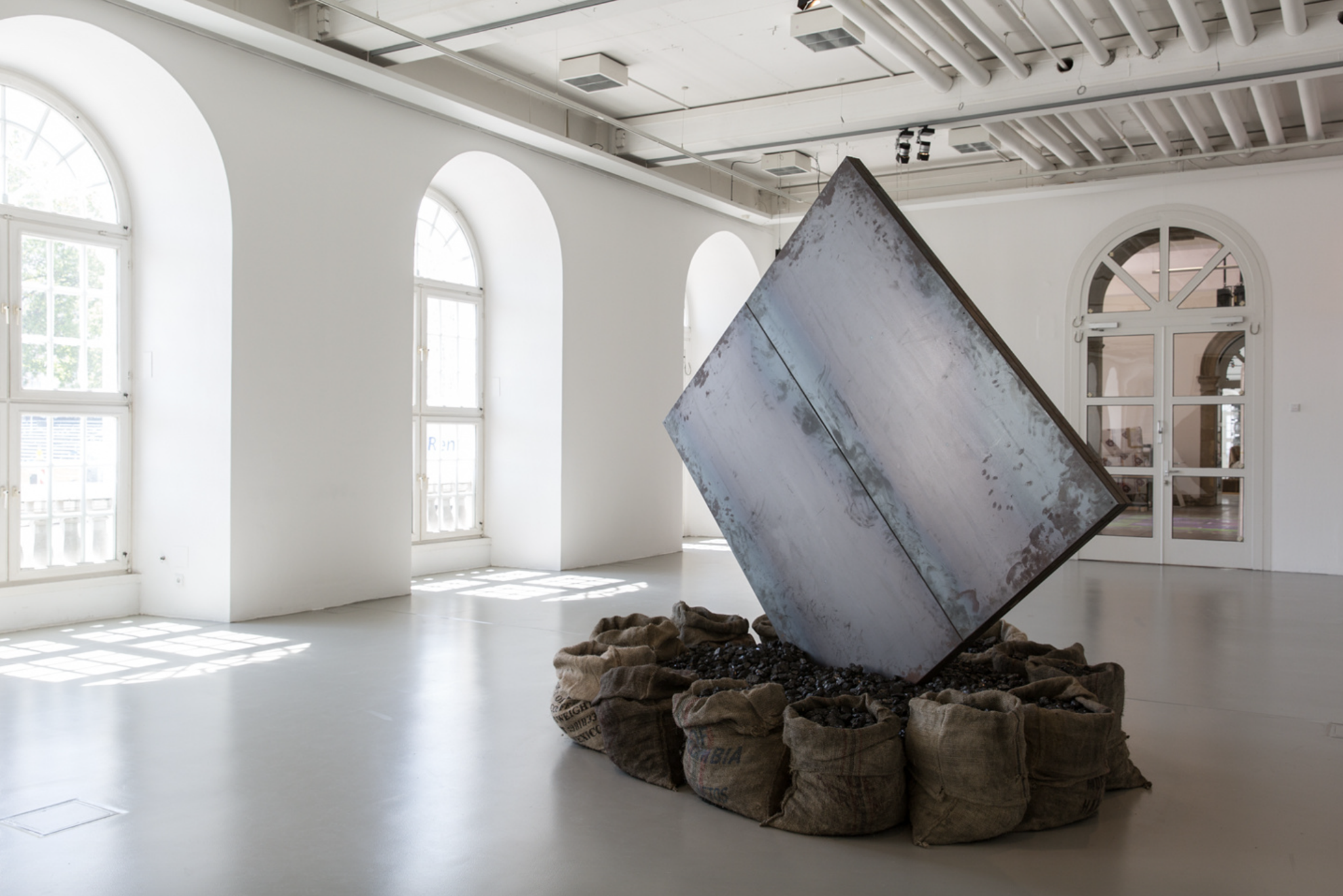
Across Europe, the picture was equally varied and equally resistant to a single narrative. In Düsseldorf, the Zero group, founded by Heinz Mack and Otto Piene in 1957, sought to strip art back to its most elemental conditions: light, movement, vibration, surface. Their work shares with American Minimalism a rejection of the expressive gesture and a turn toward industrial materials, but its spirit is more explicitly utopian – a conscious attempt at a new beginning after the catastrophe of the war. In Italy, Arte Povera used humble materials, such as earth, rags, live plants, coal, to challenge the values of an increasingly consumer-driven culture. The formal austerity is comparable, but the political charge is more overt. What connects these movements is not a shared programme but a shared set of rejections. They turned away from decoration and visual excess, rejected the idea that art should serve primarily as a vehicle for the artist’s emotions or psychological state, and challenged the expectation that an artwork’s meaning should be fixed in advance. Instead, they sought to create works whose significance emerged through the viewer’s direct encounter.
The Moment We Are In
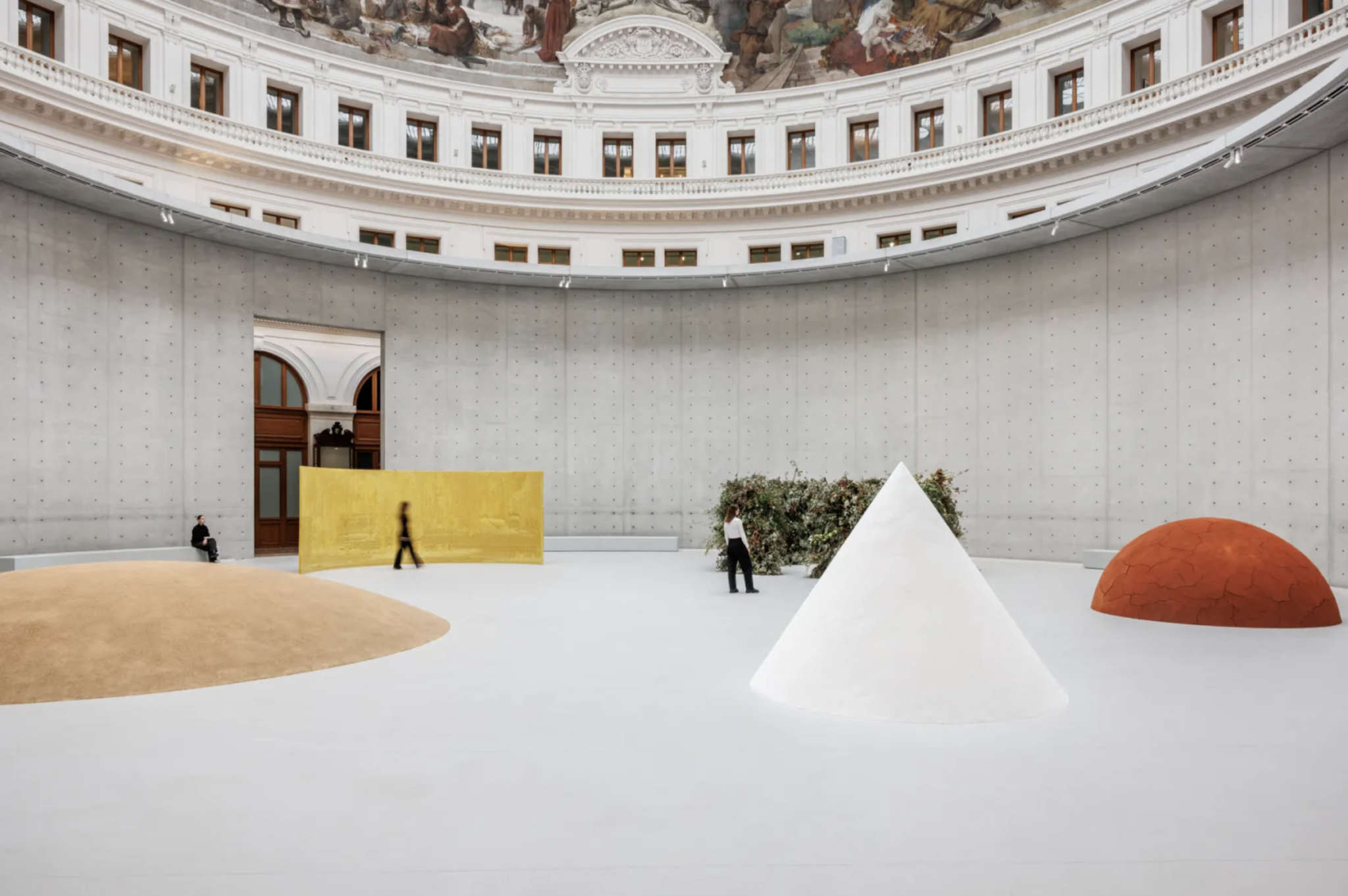
That this history is now the subject of serious and sustained institutional attention is itself significant. Two recent exhibitions make the point with particular force. At the Bourse de Commerce in Paris, Jessica Morgan curated Minimal, a major survey that situated American Minimalism within precisely the international frame described above: not as the origin from which other movements derived, but as one node in a broader global network of artists responding, from different positions and with different materials, to the same fundamental questions. The Paris exhibition was a corrective as much as a celebration – an argument, made quietly and with great conviction, that the received history has been too narrow for too long.
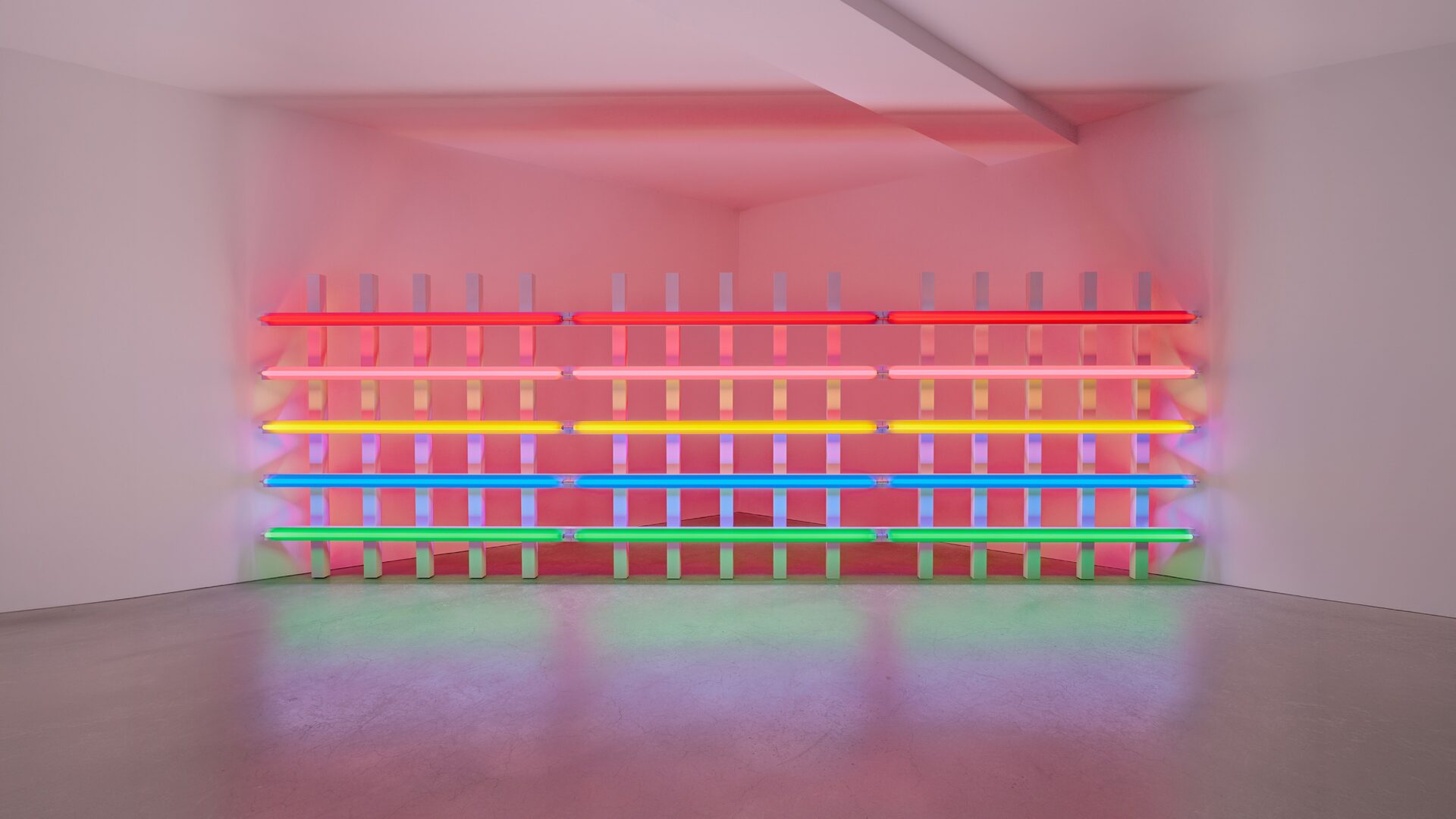
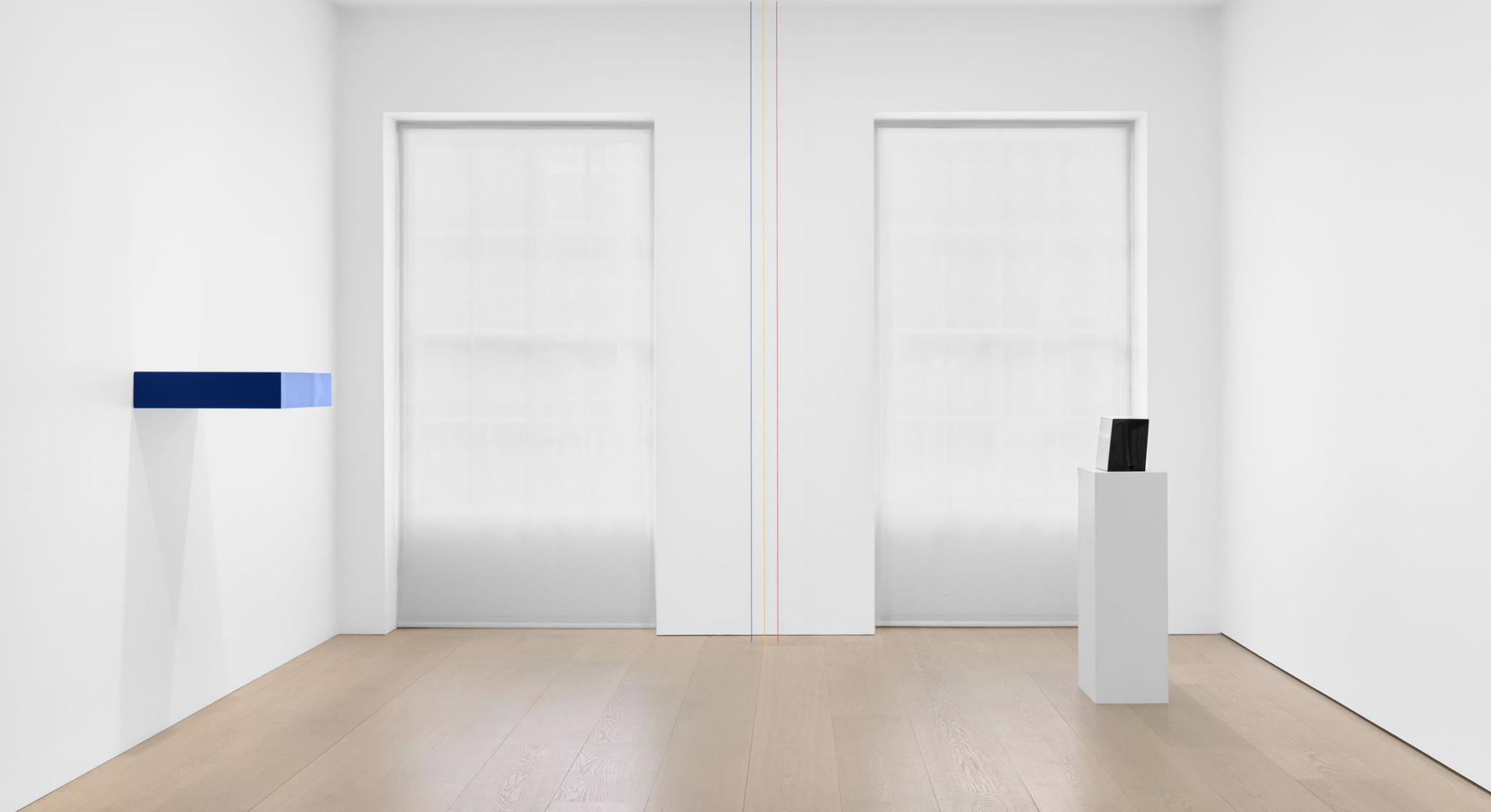
In London, David Zwirner’s exhibition at 24 Grafton Street, running through May 2026, brought together works by Flavin, Judd, McCracken, Ryman, and Fred Sandback around the question of colour – or, on the upper floor, its deliberate absence. Judd, in a 1993 essay, wrote that material, space, and colour are the main aspects of visual art. The exhibition took that proposition seriously, demonstrating how each of the five artists approached it through an entirely distinct set of formal and material commitments. Sandback is a particularly telling inclusion. His sculptures, lengths of acrylic yarn stretched at different angles to outline planes and volumes in space, work by implication rather than mass. There is almost nothing there. A line of green yarn against a white wall. And yet the space it defines is entirely real, entirely present to anyone willing to stand before it long enough to let it work. It is among the most economical demonstrations of the movement’s central proposition: that the most reduced gesture, executed with sufficient precision and conviction, can restructure experience completely.
The market for Minimal art has become increasingly strong in recent years, as collectors have gravitated toward works that combine historical importance, formal clarity, and a rare sense of permanence amid a more volatile contemporary landscape. As museums and institutions have broadened and refined the movement’s history, demand has grown alongside that reassessment, reinforcing Minimalism’s position as one of the most important postwar movements.
What the Work Requires
To return to these works now – in Venice, in Paris, in London – is to discover that Minimalism’s most enduring achievement was not formal at all. It was perceptual. The movement trained a new kind of looking, one that places the viewer’s body, duration, and sustained physical presence at the centre of the experience. Agnes Martin’s gallerist Arne Glimcher once recalled a moment that captures this with unusual precision. Martin was with his young granddaughter, who had become captivated by a rose in a vase. Martin asked whether the rose was beautiful. When the girl said yes, Martin hid the rose behind her back and asked again: is it still beautiful? When the child again said yes, Martin explained: the beauty is not in the rose. The beauty is in your mind.
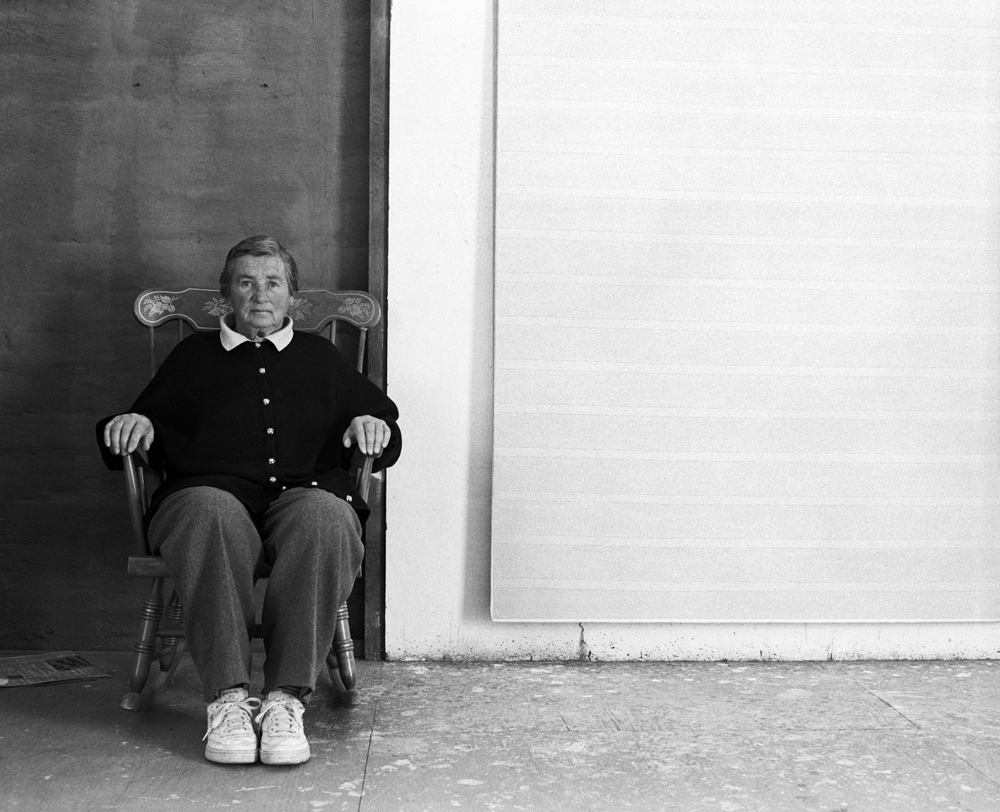
That proposition connects Martin’s faint graphite grids to Mono-ha’s arrangements of stone and steel, to Clark’s relational objects, to Zero’s explorations of light and surface. The work does not contain the experience. It creates the conditions for it. The rest depends on the viewer: on how long they stand there, how much they are prepared to bring, how willing they are to let the object work on them without assistance. In a culture saturated with images engineered to extract a response and release the viewer as quickly as possible, this demand is not nostalgic. It is, if anything, more radical now than it was in 1965
What the international history of Minimalism reveals, finally, is that this radicalism was never the property of one country or one group of artists who happened to share a building in midtown Manhattan. It was a pressure that built simultaneously across the world – in Tokyo studios and Rio favelas and Düsseldorf galleries and New York lofts – as artists in very different circumstances arrived, by different routes, at the same conviction: that the most demanding thing art can do is refuse to do the thinking for you.
LVH Art Guide to the Art World before year-end: Exhibitions, Auctions, Fairs and Prizes