In Conversation with Marc Prats-Quintana

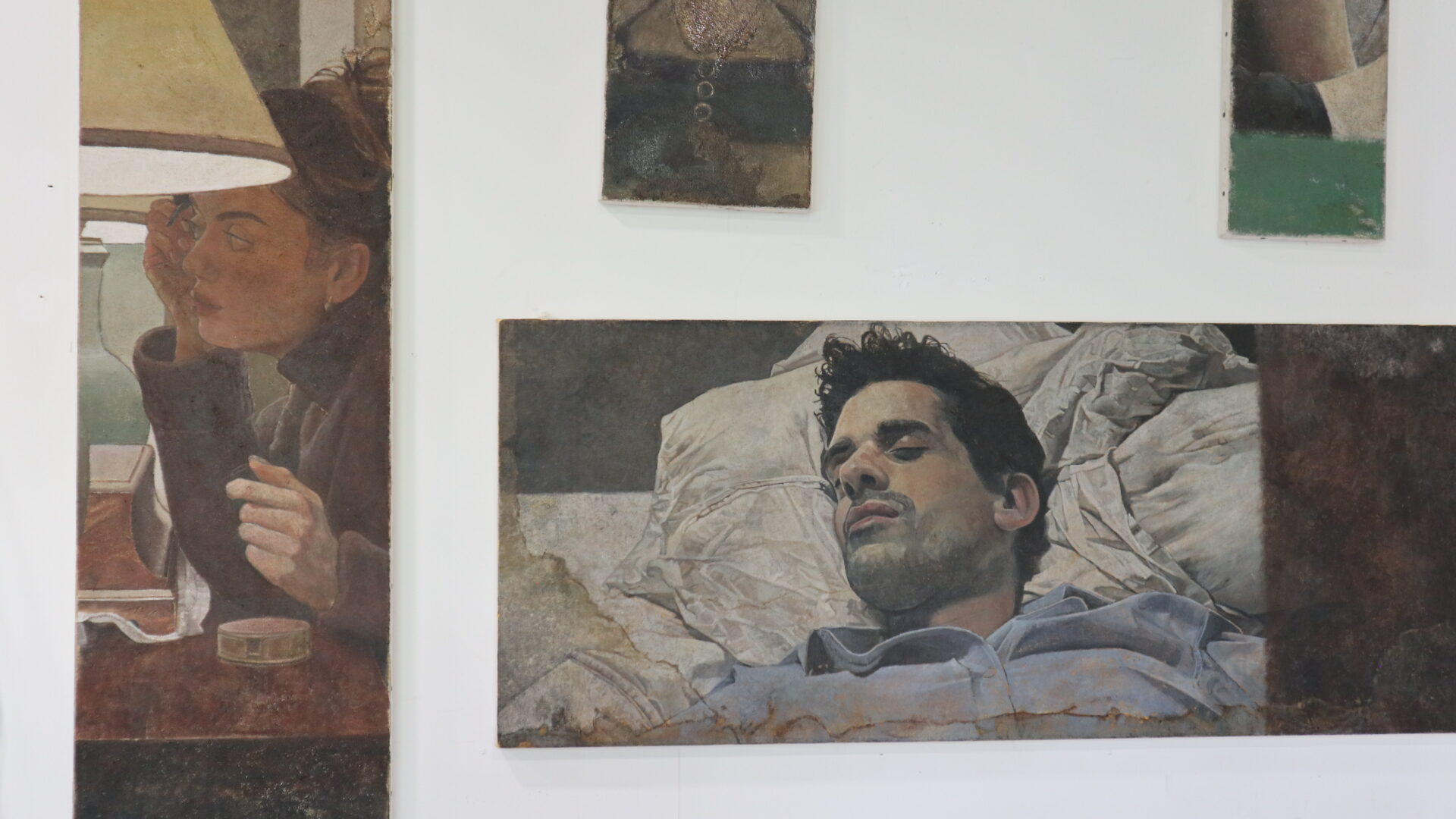
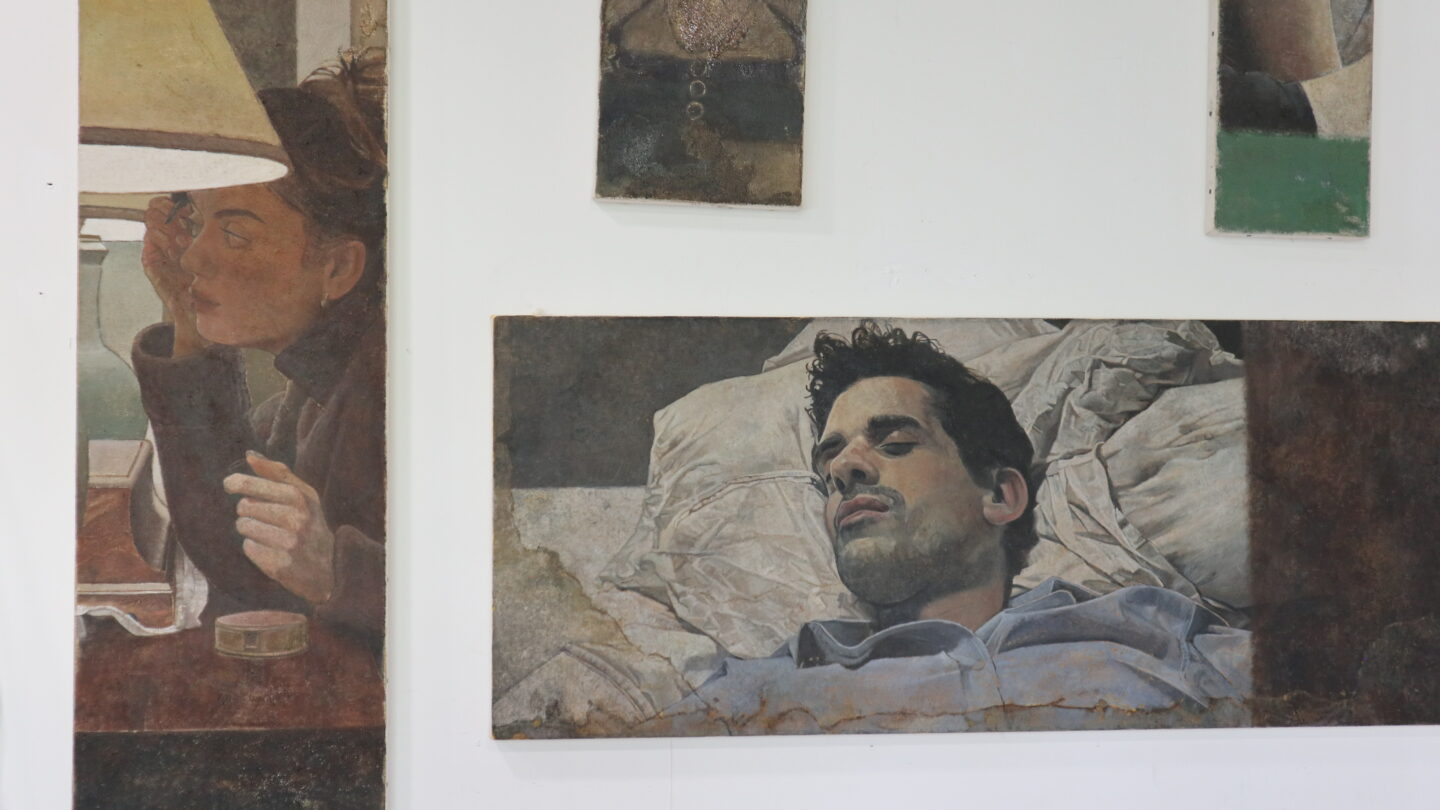
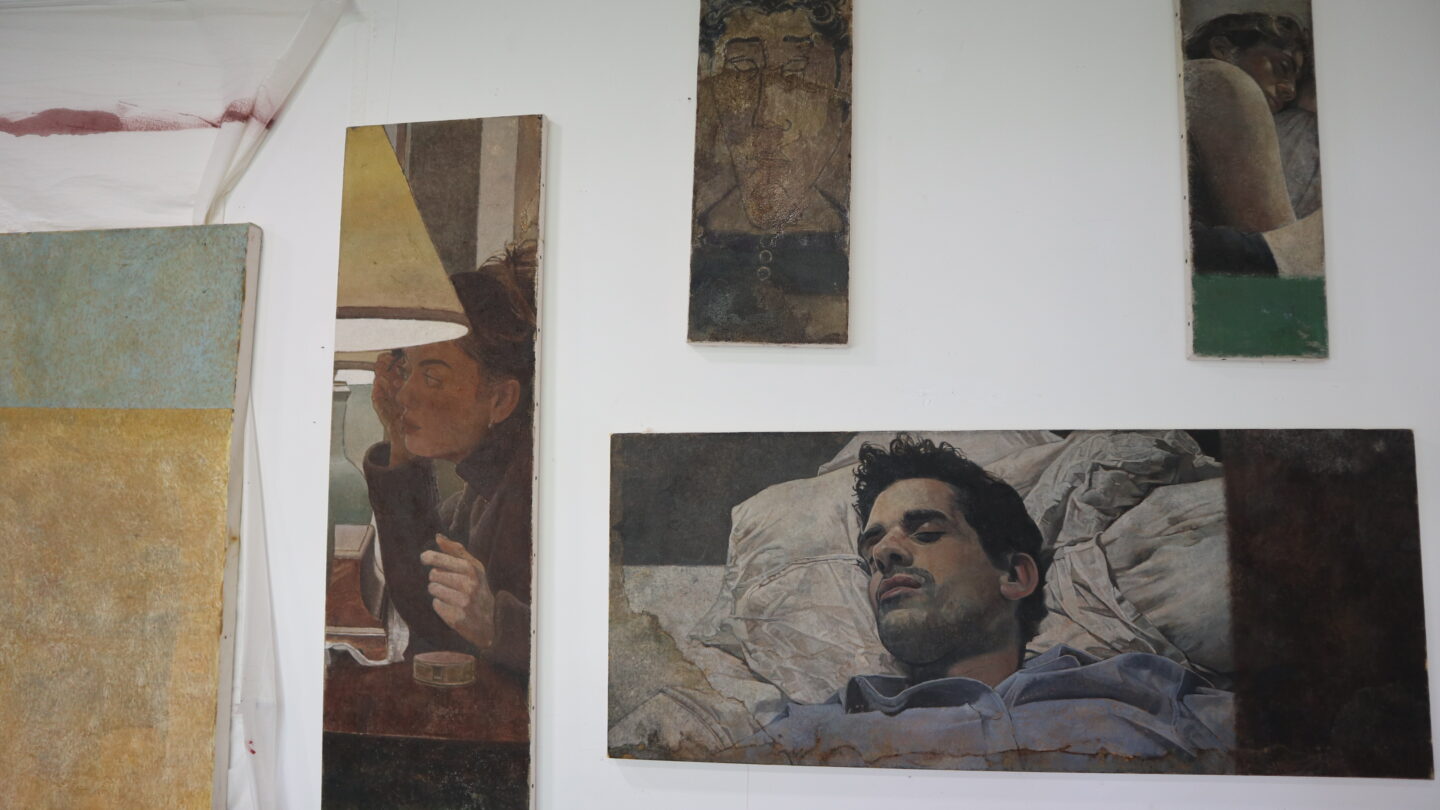
Marc Prats-Quintana is a Catalan-born, London-based painter whose work explores the intersections of memory, materiality and place through richly layered surfaces. Working with oil paint, raw pigment, sand and found materials, he builds, scrapes and reconstructs his canvases, treating each painting as an archaeological excavation where traces of personal and collective histories emerge. In this conversation, we discuss his creative process, the role of memory and materiality in his practice, the writers and artists who inspire him.
LVH Art: I’m curious about the motivations behind your work. What drives you to paint?
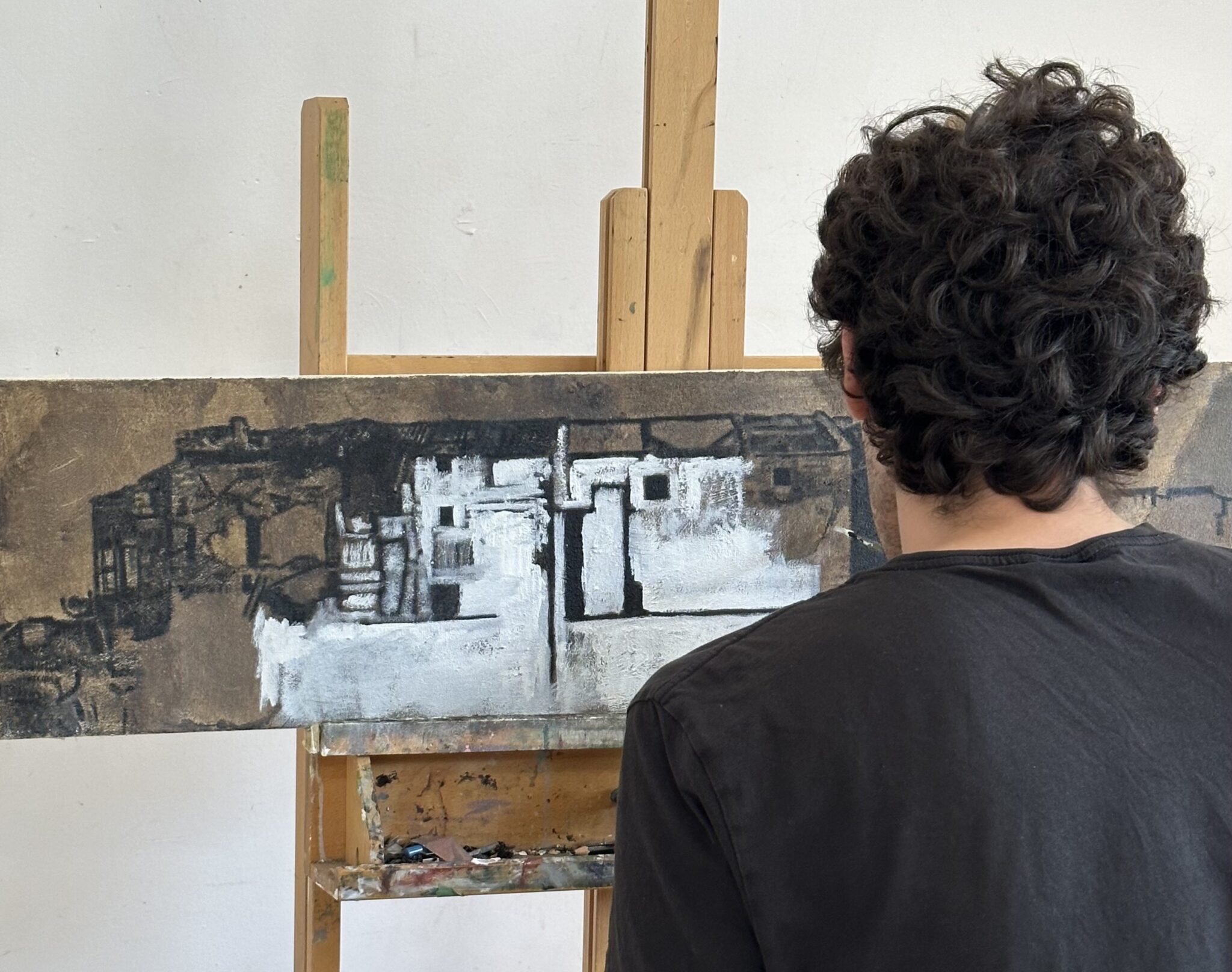
Marc Prats-Quintana: Contemporary artists have many modes of making at their disposal, and painting is one of the most historical. This makes choosing to paint today – over any other medium – a very specific gesture. It’s a deliberate choice. I cannot find a better justification to the question ‘why paint?’, than the romantic urge to do so, and this idea is closely linked to the history of painting. I choose to paint because at its core I am fascinated by the material aspect of painting, and I think that fascination comes from a reverence for what has come before me. I paint because I want to pay homage to painting’s history, while keeping an eye on what its future might look like within contemporary art.
LVH Art: Cropping and fragmentation recur throughout your work. Why do you think this continues to appear, and what role do they play in your paintings?
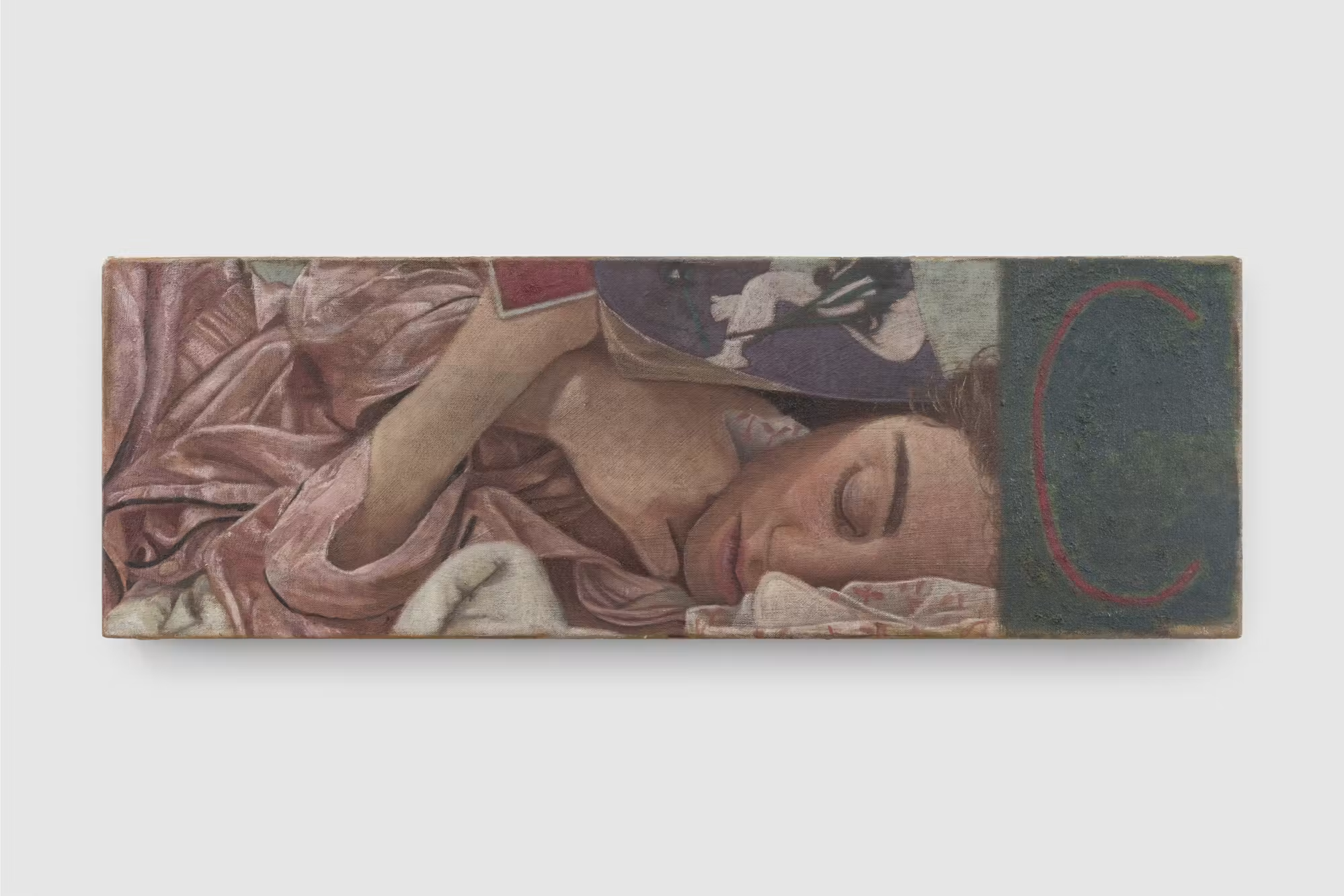
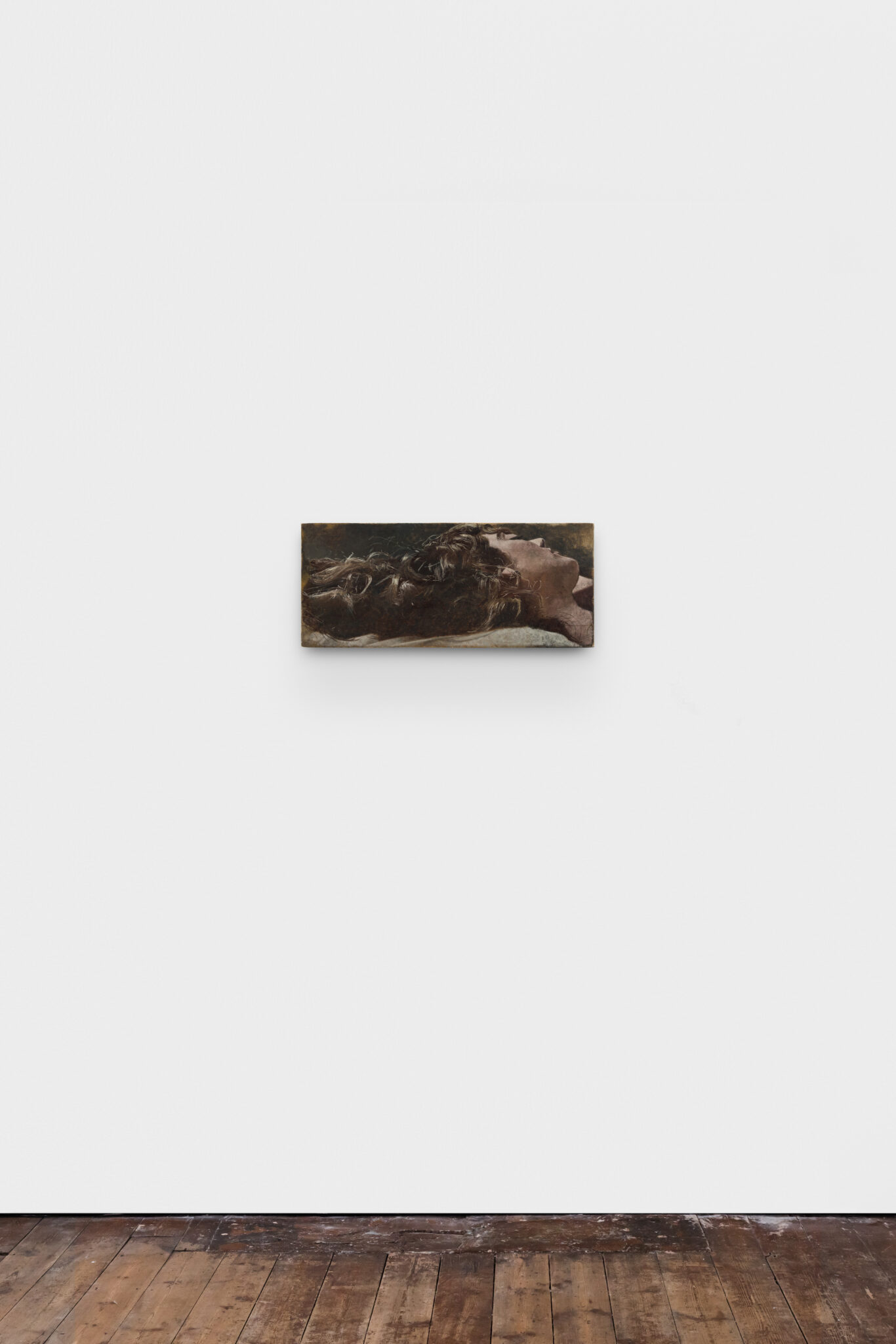
Marc Prats-Quintana: My current interest in the history of painting drives me to treat painting itself as a process of excavation and material transformation. When you think about it, these processes are actually about memory and the passing of time. Cropping and fragmentation lean quite naturally into these ideas. Memory is incredibly useful because it allows us to re-invent the past in the present and beyond. It gives us the conception of the passing of time, yet it’s tricky and imprecise. The brain does not operate like a camera capturing and storing all recorded information. It seems that only some of the information encoded in memory is retained. The information that is lost is filled in with new information based on past experiences and our working understanding of the world.
My painting process takes some of the mechanisms of memory. When I paint, I start with pre-existing images like personal photographs, preparatory sketches or historical artworks. These are often combined and fragmented, resulting in naturally occurring cropped compositions. It’s almost as if I am trying to paint a memory that does not yet exist. In short, cropping and fragmentation are not just integral to the way I see painting and conceive my work; they are embedded in the process of making itself.
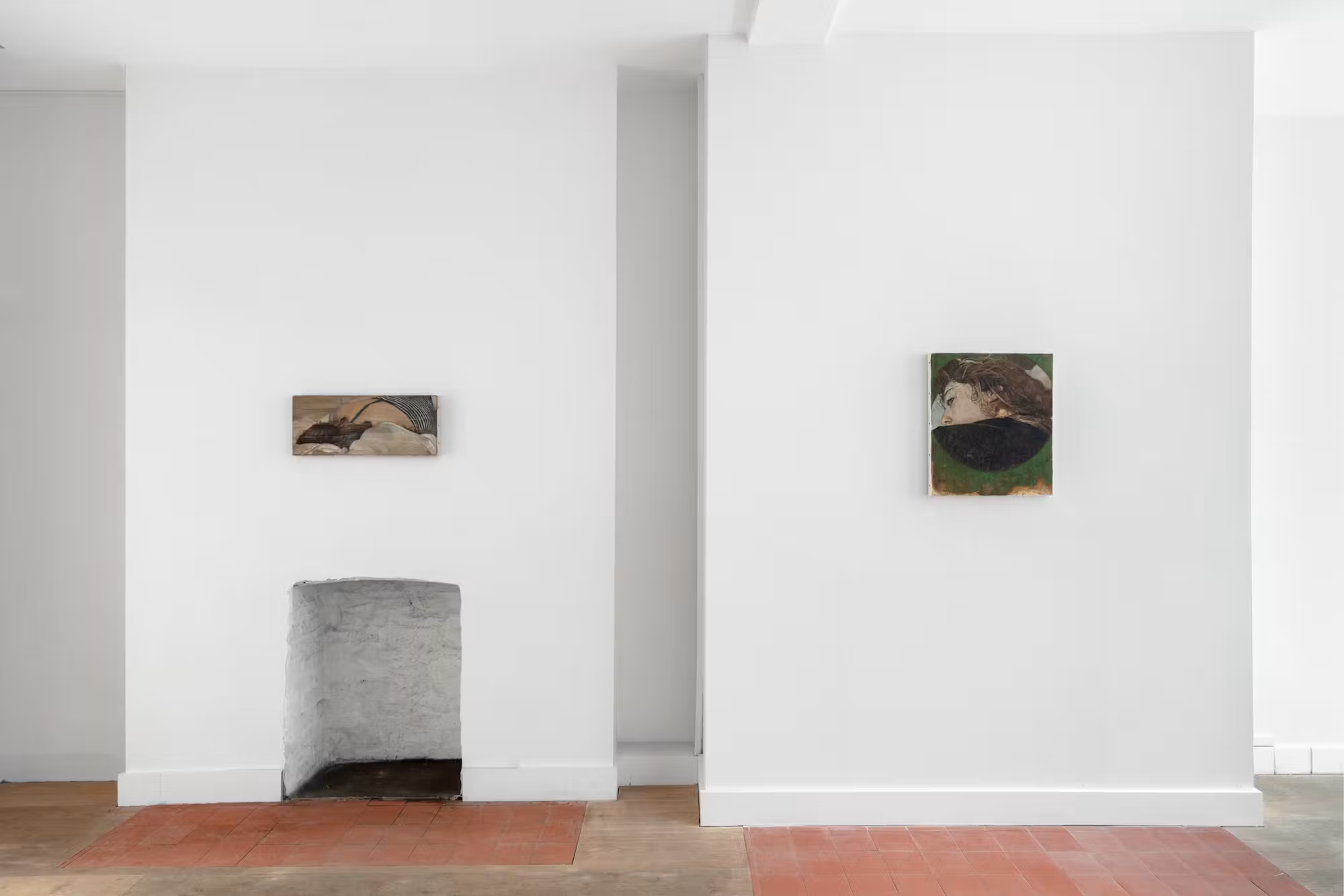
LVH Art: There is a lot to unpack here. Since you mentioned working with pre-existing images, let us start with that. How does your source material shape the finished work? Why is photography a part of your process?
Marc Prats-Quintana: I consider myself a painter but working within image-making today unavoidably involves photography. Images and their instantaneousness permeate our lived experience to the extent that they inform how we navigate and understand reality. In this context it might not be possible to exclude photography’s role within the image-making process altogether, so I choose to lean into it whenever it works.
The way I see it, painting and photography justify themselves on their own merit and complement each other nicely. While photography has a direct connection with reality, because it captures a specific instant in time, painting allows us to reflect on the nature of that instant more profoundly and consume it more slowly. This is a crucial aspect of painting for me, because in the exploration and exploitation of paint’s ability to slow down time, my work begins to drift away from the source material. That initial photograph, sketch or historical reference just provides the scaffolding upon which the final image rests.
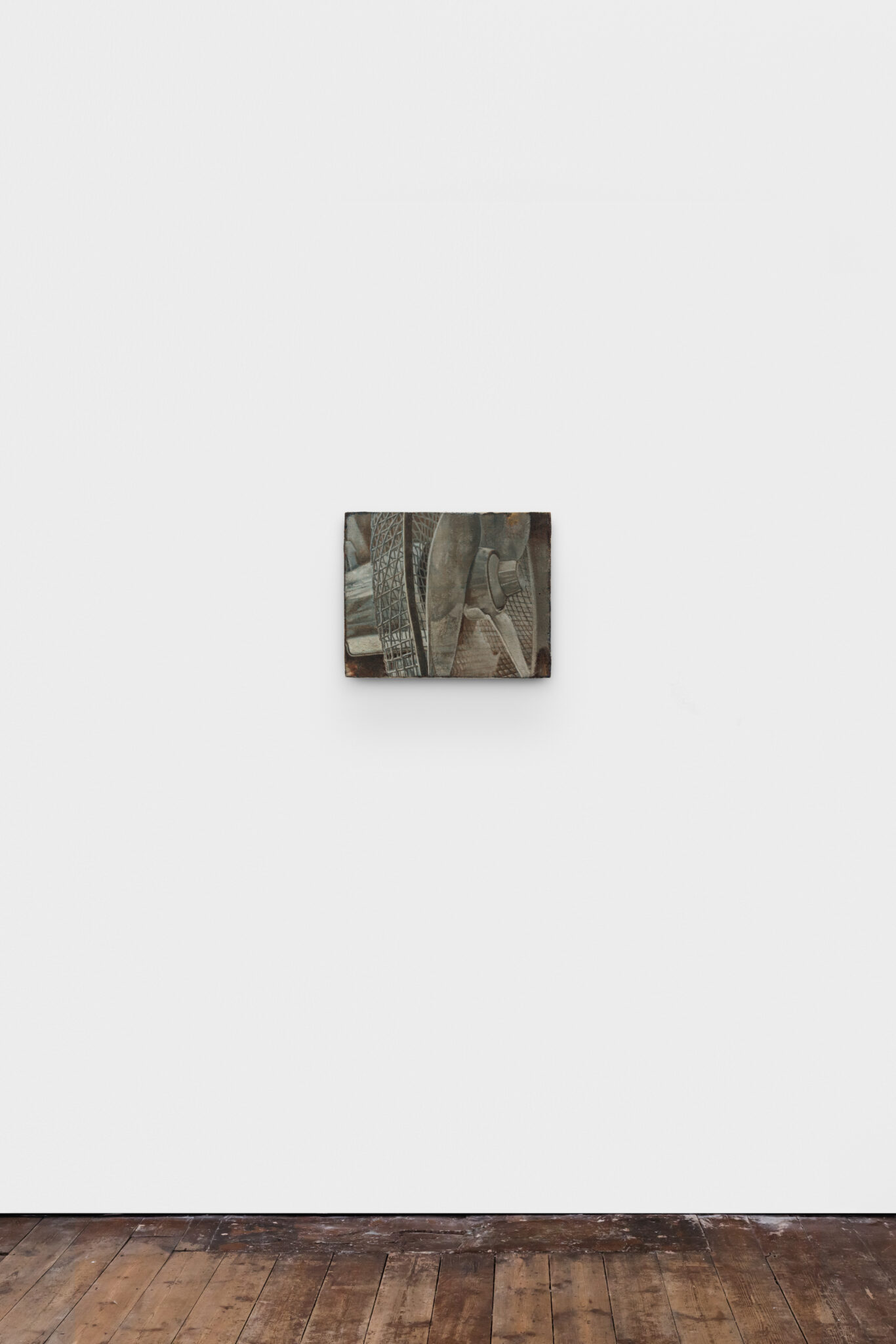
LVH Art: Your practice does incorporate a wide range of materials, from raw pigment and sand to varnish or glue. What draws you to working beyond the traditional language of just oil paint?
Marc Prats-Quintana: Oil painting is just a small fraction of painting’s entire history; humanity has painted for thousands of years but has only used oil paint for a few hundred. If you take that scope and boil painting in all its historical iterations down to its essence, it becomes the action of applying a substance to a surface in a way that changes that surface meaningfully. Of course, this is a very broad definition, but it demonstrates the infinite possibilities of the medium. By experimenting with various grounds and layering materials like varnish, glue or housepaint with oil paint, I chase reactions that compress time and reflect exposure to the elements. When thinking along those lines, painting and chemistry seem closer than ever. And this experimentation within painting isn’t new– far from it. Here I look up to Antoni Tàpies or Dieter Roth, to name a couple of my heroes.
LVH Art: You referenced Antoni Tàpies and Dieter Roth as major influences, but are there any writers or thinkers whose work you have been looking at recently?
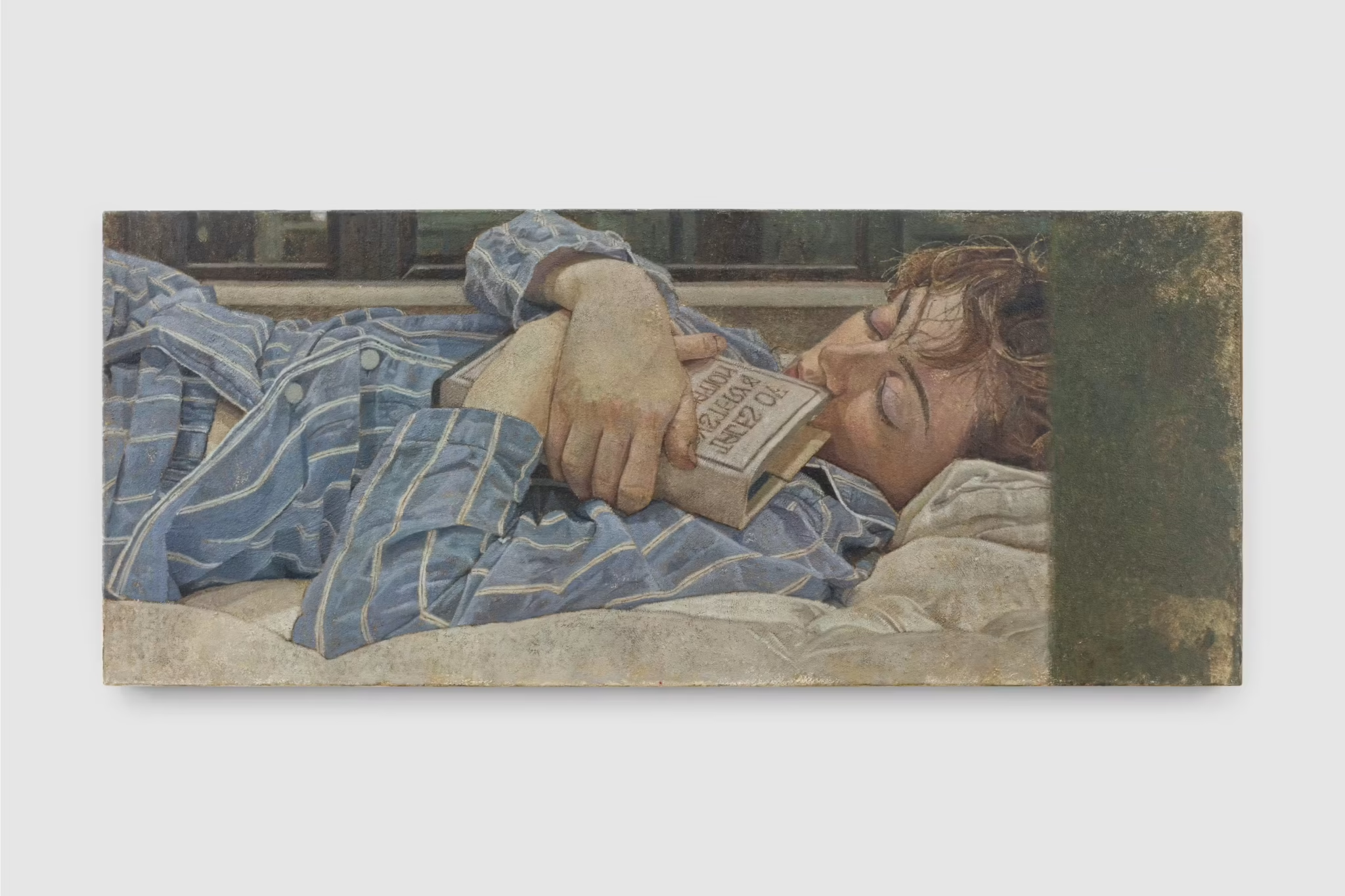
Marc Prats-Quintana: I currently have a couple of books on the go. I’m enjoying reading Victorian Classics like ‘Jane Eyre’ by Charlotte Brontë right now. I also try to read a bit of art theory, and I am slowly making my way through ‘Total Expansion of the Letter: Avant-Garde Art and Language After Mallarmé’ by Trevor Stark, which was recommended by a friend. I have been thinking a lot about that book lately. So far Stark has been assessing the impact of language (and its fragmentation) on the 20th century avant-garde. Underpinning Stark’s argument is the idea that language is by nature imprecise. Between what is inscribed, what is meant and what is understood, there is a space that goes beyond gaps in knowledge or interpretation. It is within this space, that there are possibilities for artistic experimentation. Stark contends this is why we saw the Cubists and Dadaists starting to use language (inspired by the writings of the French poet Stéphane Malarmé) in their work as a tool for disruption.
LVH Art: I think it is interesting you bring up the avant-garde when your work seems quite rooted in tradition. What are your thoughts on this?
Marc Prats-Quintana: As I understand it, the 20th century avant-garde was characterized by grand gestures of disruption. Take Marcel Duchamp’s readymades as the most obvious example of that. Interestingly, once these disruptive actions became accepted by the artworld, they stopped being revolutionary. To understand what happened next, I have been looking at the work of artists like Francis Picabia and, more recently R. H. Quaytman. The way I see it, the work of both artists relies heavily on art history but bends tradition by either refusing stylistic codes, or subverting those codes by picking up new ones again and again. In my opinion, this should not be interpreted as a lack of rigour or commitment to artistic practice, but as radical nonconformism. What I am trying to say is, artistic innovation does not have to involve coming up with an original radical gesture. I think artists today can use tradition itself as a form of subversion.
LVH Art: Looking ahead, what are you most excited about over the coming year? Are there any upcoming exhibitions or projects that you can share with us?
Marc Prats-Quintana: I’m really looking forward to my first institutional group exhibition in the UK. It will take place at Whitechapel Gallery in October, and opens during Frieze Week. It will be curated by Katrina Schwarz and Daniel Lamb.