In Conversation with Alexandra Fairweather, Director of the John Chamberlain Estate

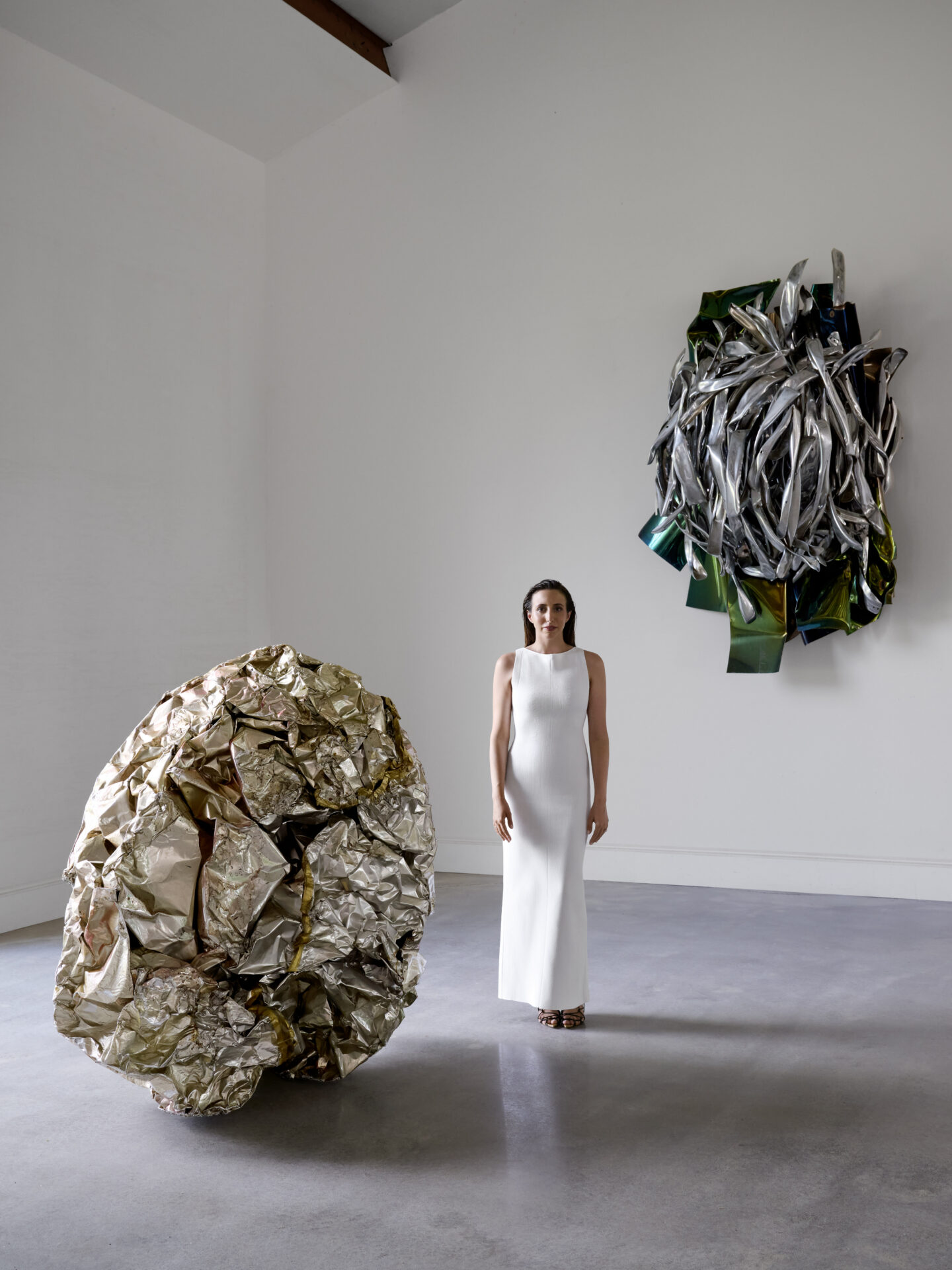
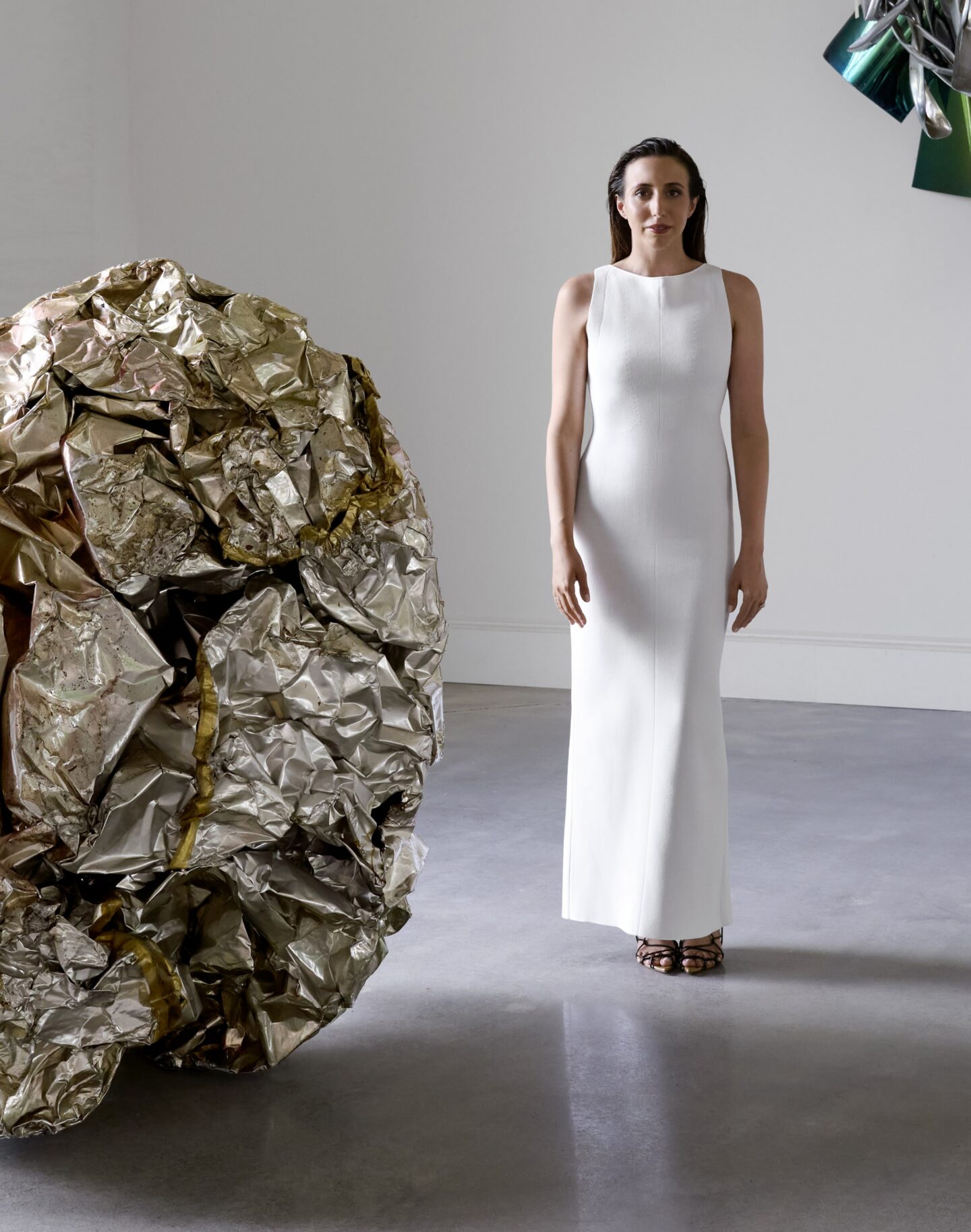
This month, we had the privilege to speak with Alexandra Fairweather, Director of the John Chamberlain Estate, which is dedicated to preserving and promoting the legacy of the celebrated American artist. Chamberlain’s work was recently featured in Minimal Legends, an exhibition curated by Lawrence van Hagen and Claudia Rose De Cotiis at the Vincenzo De Cotiis Foundation in Venice, which closed on October 3rd. Chamberlain sculpture was a striking presence within the historic palazzo, demonstrating the enduring power of his artistic vision.
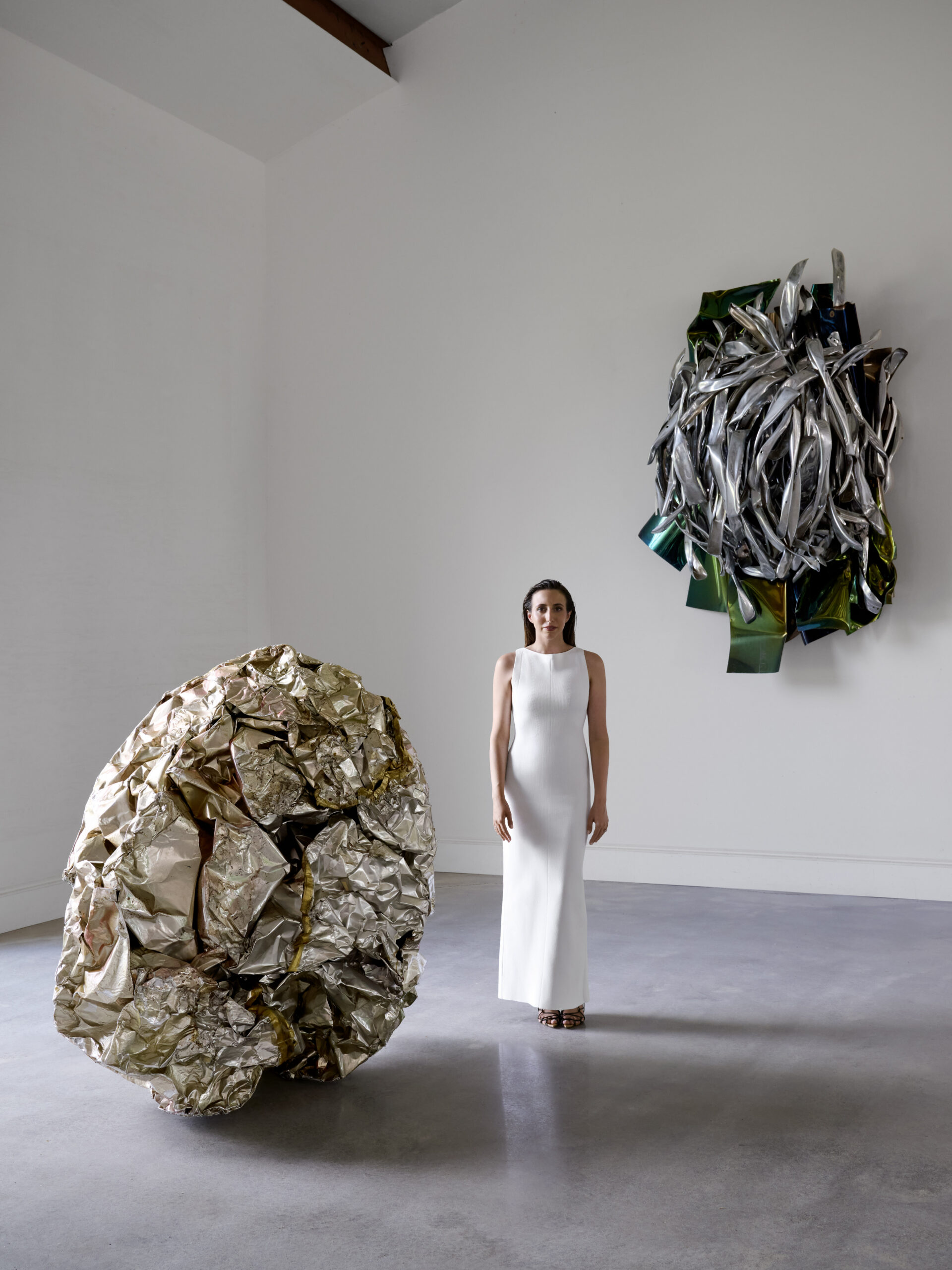
Widely recognised for his dynamic sculptures made from crushed and twisted automobile parts, Chamberlain transformed industrial materials into expressive works that challenged traditional notions of sculpture. As Director of the Estate, Fairweather plays a central role in preserving his legacy and ensuring that his life and work are represented with authenticity and care, while also looking to the future, championing his artistic vision and introducing his work to new generations of audiences.
In this interview, Alexandra offers insights into the origins of the Estate and its evolution over the years, while also sharing a more personal perspective on Chamberlain. Reflecting on her close relationship with the artist, who was her stepfather and raised her from the age of two, she shares intimate memories that reveal a side of him beyond his celebrated artistic career, while offering a deeper understanding of his work and creative practice.
LVH Art: Could you tell us about the origins of the John Chamberlain Estate? When was it established, and what vision guides its work today? How has that vision evolved since you became Director almost a decade ago?
Alexandra Fairweather: The Estate came into being after Chamberlain’s passing in 2011, and in the beginning our attention went almost entirely to preserving the spaces and the archives. I understood quite early how fragile an archive really is. The 16mm films, the video8 tapes and the slides were all slowly disintegrating, and if nobody intervened, they would simply be gone, so for the first several years that was where I put my energy.
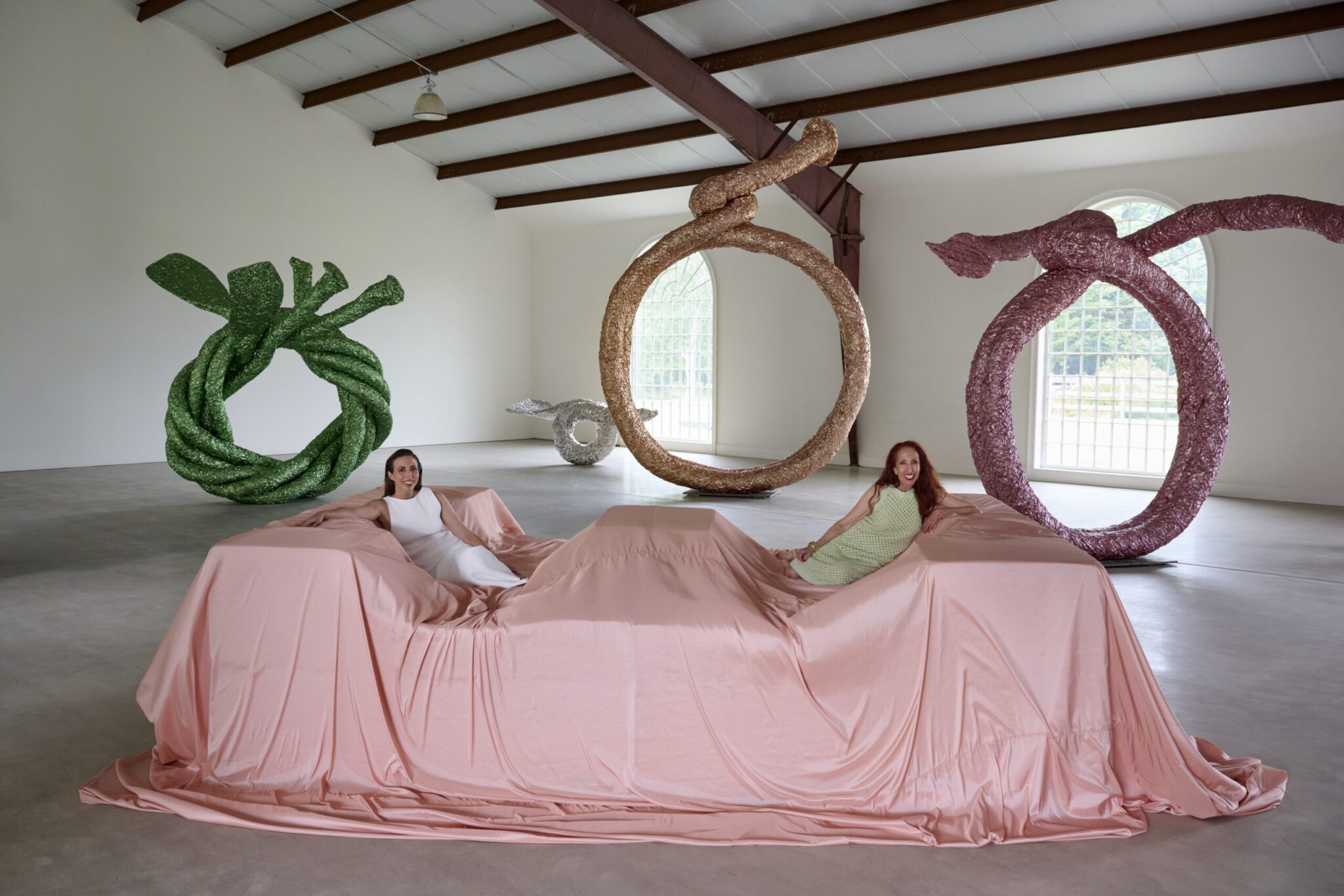
As time went on, I came to feel that preservation alone was not enough, and that my real responsibility was storytelling. At first that meant exhibitions, but I soon realised that the story of Chamberlain’s life and work could not be confined to galleries and exhibition catalogues, and that it needed to be told through other mediums as well. Assouline’s Living with Chamberlain was one answer to that; social media, somewhat to my own surprise, was another. Most recently we launched On the Couch, a series in which I sit down with notable figures from art and culture on a Chamberlain couch here at the Estate. Four and a half million people have now watched it, and it sits in the top one per cent of podcasts in art and culture.
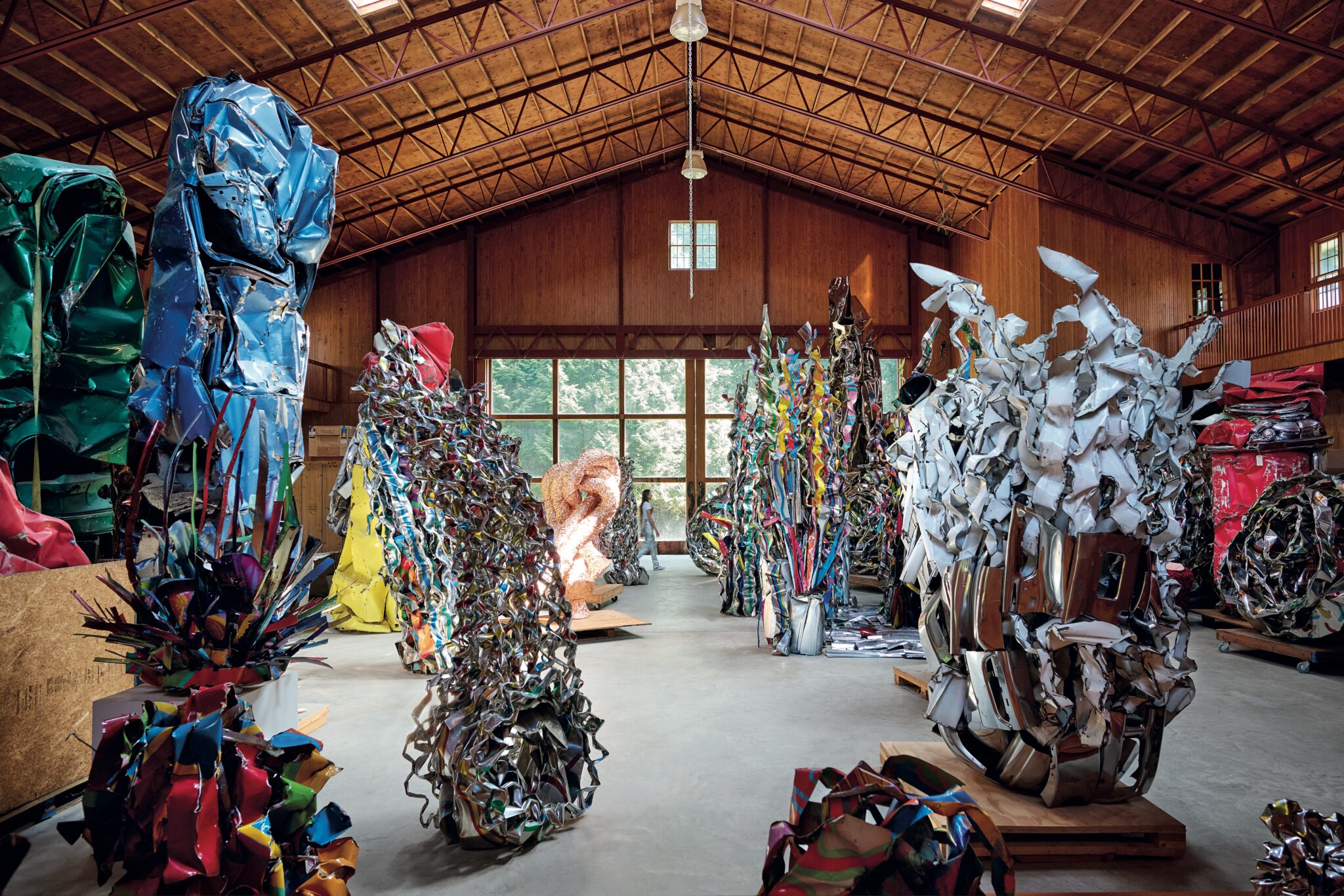
LVH Art: The Chamberlain Estate on Shelter Island encompasses two distinct buildings: Chamberlain’s former studio, where he worked, and a former horse stable that was acquired and transformed into an exhibition space after his passing. Could you tell us more about these two spaces and how they each contribute to preserving and celebrating his legacy in different ways?
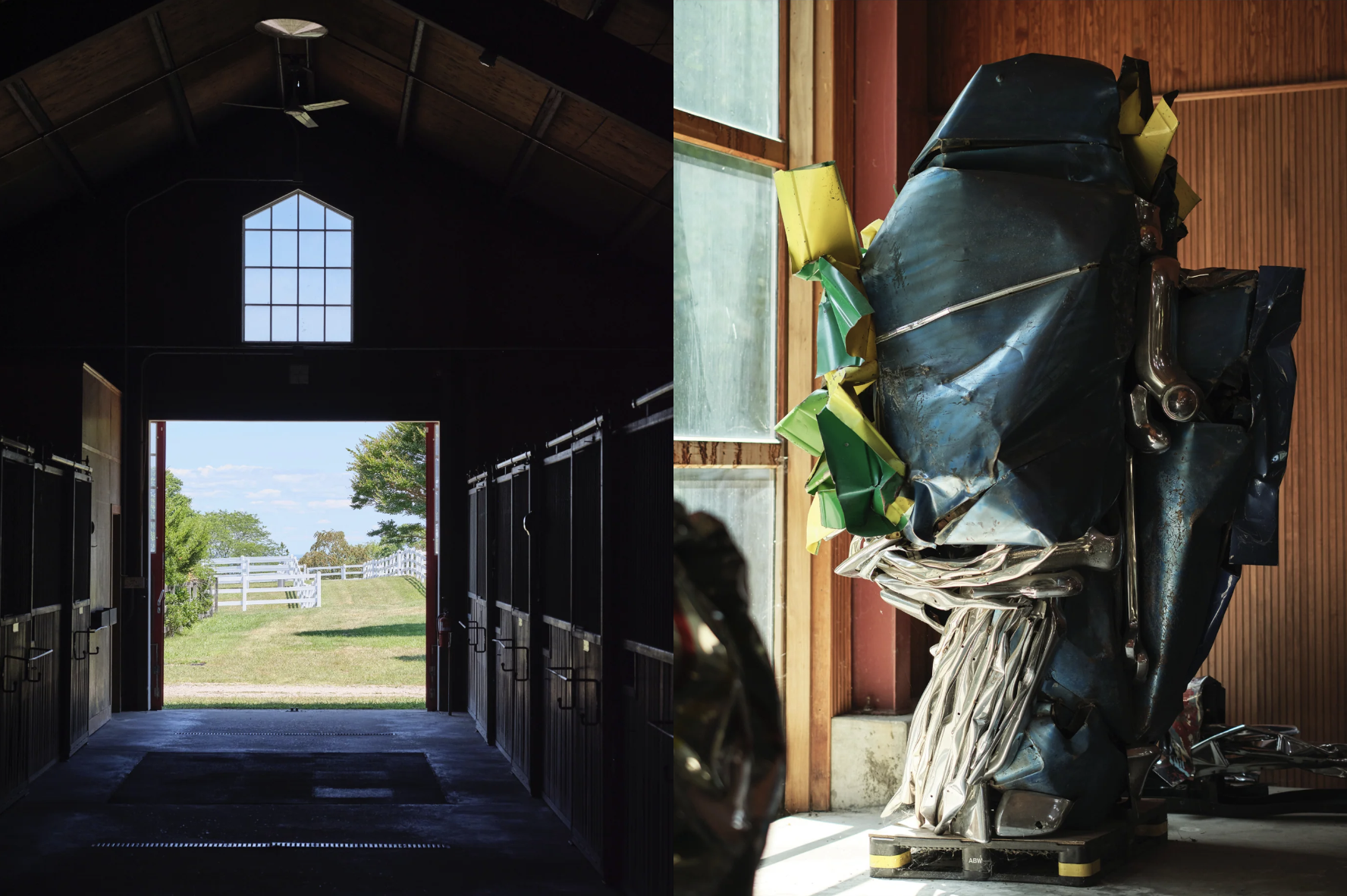
Alexandra Fairweather: The studio we keep very much as a time capsule. We will occasionally lend a work from it, but the aim is to leave it as close as possible to the way he had it, because nothing else tells you so plainly how the sculpture was made.
Paard Hill, the former stable, has taken on a life of its own in a way none of us anticipated. When we first put art in the space it was really for my mother and me, somewhere to live with the work. A building on a small island with no public access has since become something of a world wonder, helped along by a few magazine covers, visits from the Chanel Culture Fund and CULTURED, and the taping of On the Couch. We are planning a working garden, and there is some interesting programming under way.
LVH Art: What can these spaces reveal about Chamberlain as an artist and as a person that we might not discover through his finished works alone?
Alexandra Fairweather: Chamberlain was in many ways an enigma, and the spaces are too. They are not alike, and yet each of them in its own way is breathtaking, and both leave you with the same feeling, which is a sense of limitlessness, that anything at all is possible. I have watched people walk into the studio and into Paard Hill and go quiet, and I think what they are responding to is exactly that. The finished works are extraordinary, but the rooms tell you something about the scale of the imagination behind them that a single sculpture cannot.
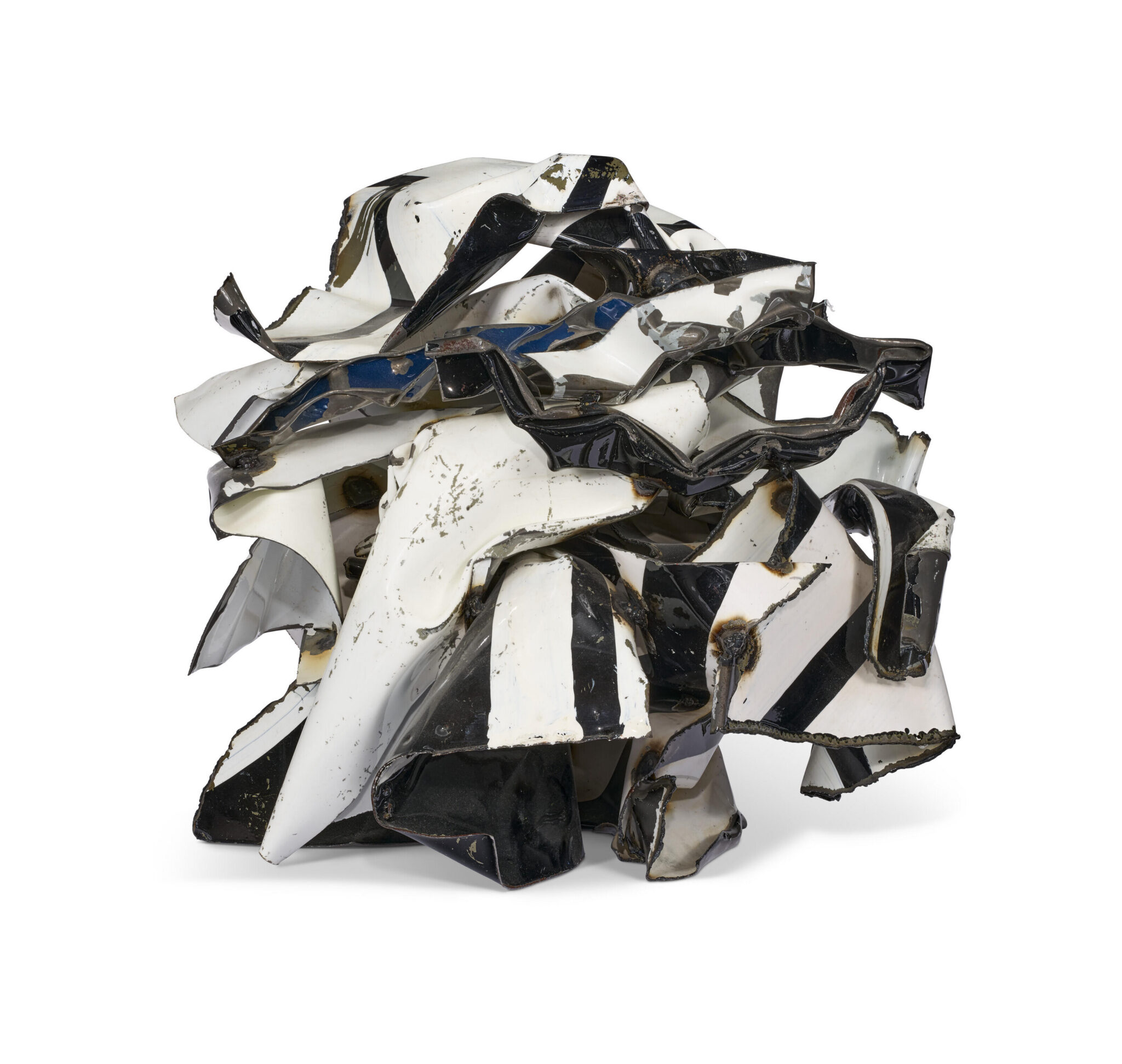
LVH Art: Is there an aspect of Chamberlain’s life or artistic practice that you feel is often overlooked?
Alexandra Fairweather: I think it was just how significant music was to his practice and his life. Music was never optional. There was always something playing in the studio and in the house: jazz, or classical. If we left the country, the music stayed on in both. If we were asleep, it was still on. He believed a space needed it. Not as background. As energy.
That carried into how he worked. He didn’t plan a sculpture and execute it. He picked up a piece of metal, set it against another, listened to what it did, and kept going. If it didn’t fit, it came out. That’s improvisation. He worked the way a jazz musician plays a set: a structure he knew by heart, and inside it, nothing decided in advance.
You can see it in the titles. MEMO TO SCHUBERT. Opus 18, Opus 36, Opus 54. He named the work the way a composer catalogues pieces.
And it goes back further than the studio. In Detroit, before any of this, he was married to a jazz singer. He was a hairstylist and makeup artist living inside that music scene. Writers like David Getsy have drawn a direct line from the hair work to the sculpture: the focus on volume, on color, on building a form by hand until it holds. Some of the titles say it outright. EPIC HAIRLINE III. HAIRLESSCHIFFON, and his hair was perfect.
So really the jazz wasn’t a soundtrack to the work. It was the method.
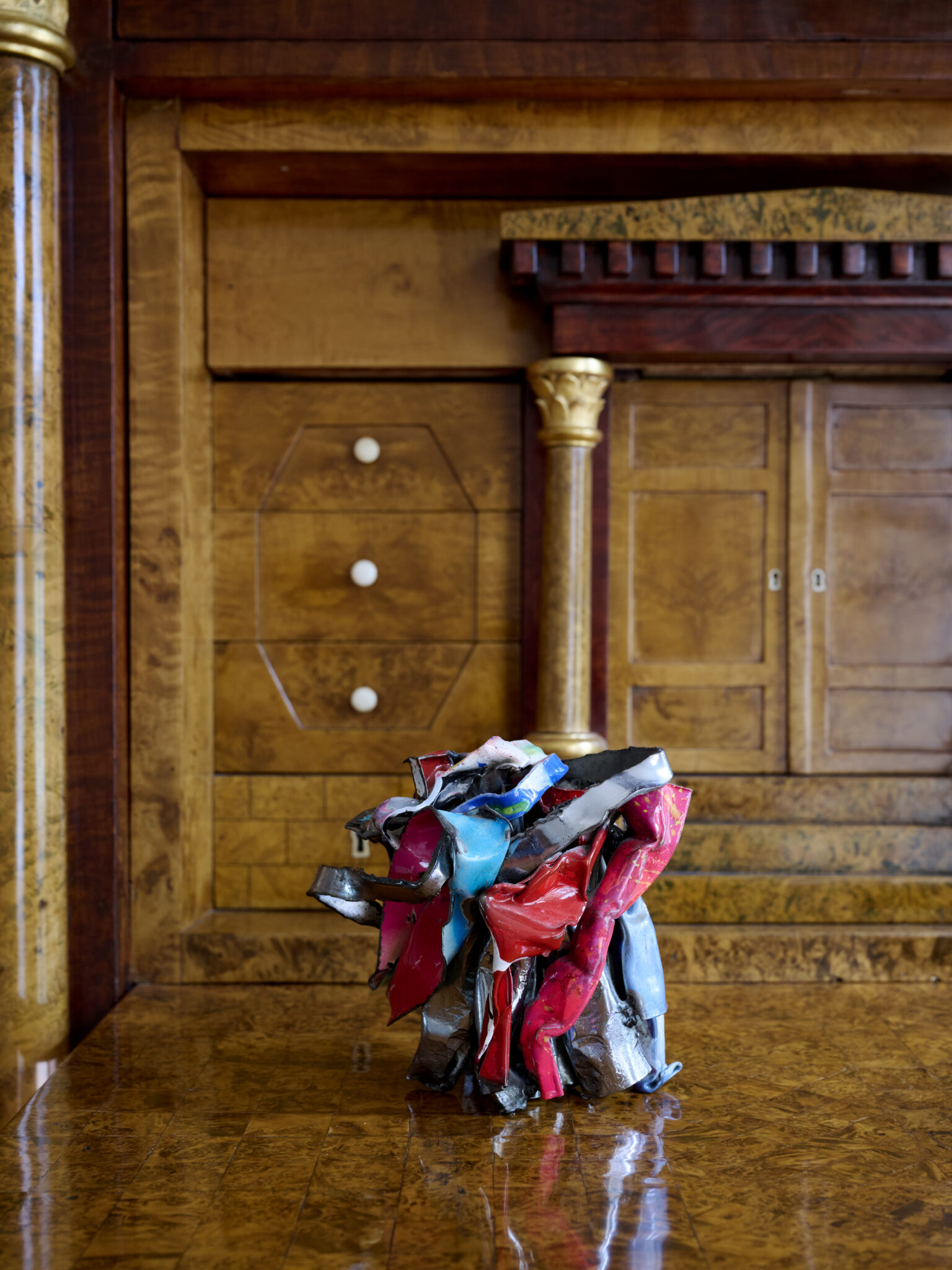
LVH Art: Is there a particular work that holds special meaning for you? Could you share the story behind that connection?
Alexandra Fairweather: There is a small piece that Chamberlain gave my mother early in their romance. It is called Coup de Foudre, which translates to Struck by lightning, and I love how romantic that is. He was grand and spontaneous; they married three times in a single year, and we were always travelling, living a rather bohemian life. I want to keep that spirit in me, and to feel that sense of being spontaneous and limitless. That small work reminds me of that.
LVH Art: As Director of the Estate, you are often making decisions on Chamberlain’s behalf. How do you approach these decisions, particularly when it comes to exhibitions, collaborations or the interpretation of his work?
Alexandra Fairweather: I have a very strong sense of what he would have liked and disliked, and with an archive as rich as ours that instinct is backed up by evidence, which matters enormously when these decisions arise. I am not biologically his daughter, so I cannot claim it is in my blood. But having been raised by him from the age of two, I understand how he would think about things on an almost intuitive level, and I have learned to trust that.
I am certain he would like what we are doing. Imagine carving a couch out of foam when you are a starving artist in a SoHo loft without running water or electricity, and then imagine that same couch becoming the symbol of quintessential collectible design, with celebrities sitting on it and millions of people watching. He would have found it fun, and outrageous in the best possible way.
LVH Art: Artist estates have become increasingly influential within the art world. How do you see their role evolving, and what responsibilities do you believe they have beyond preserving an artist’s work?
Alexandra Fairweather: I was at a dinner party in Paris not long ago, and an art advisor came up to me and said, ‘Most estates are dead, but you have made one alive.’ Her words have become a kind of fuel for me, a reason to keep reimagining what an estate can be: a way to connect with people, to bring them together, to inspire them, to educate and to entertain. Preservation is where the responsibility begins, but I do not think it is where it ends.
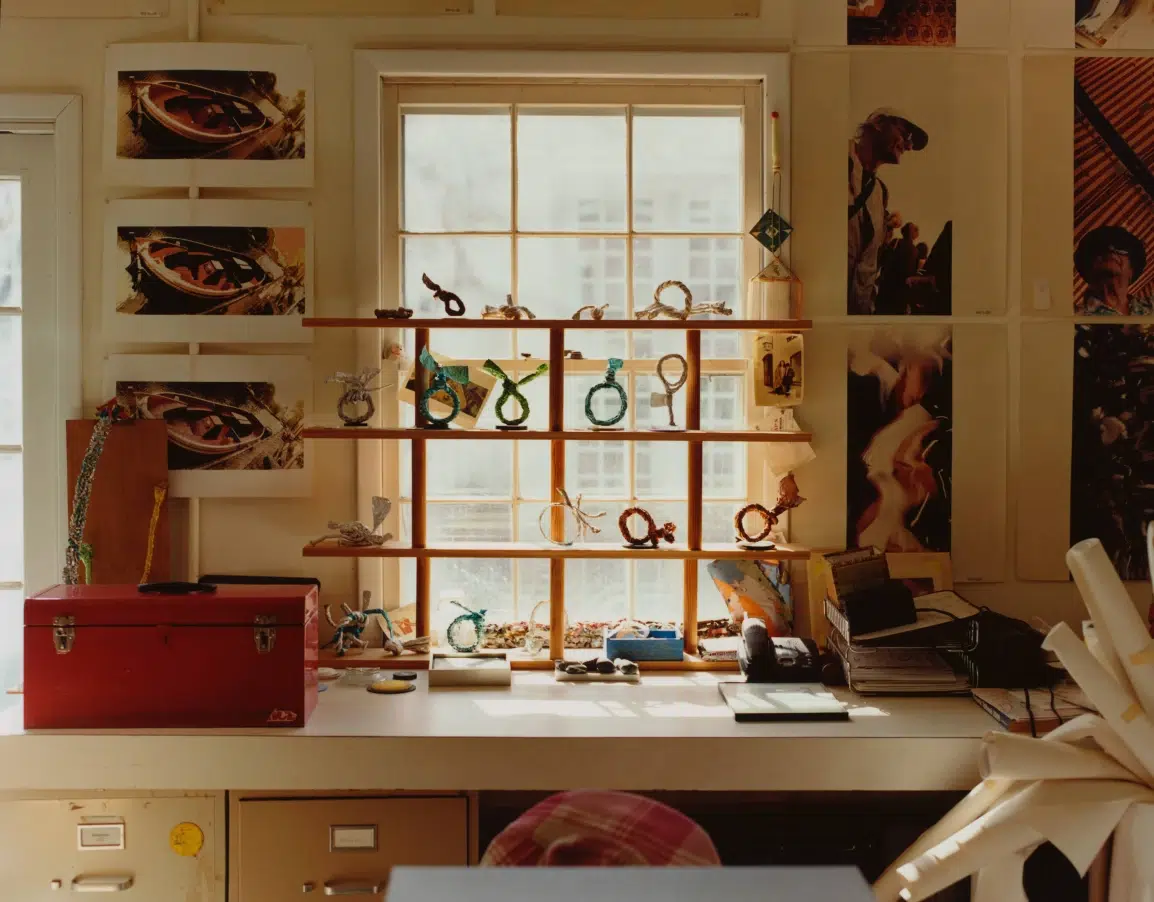
LVH Art: Growing up with Chamberlain as your stepfather, his art must have been a natural part of your everyday life. Do you remember when you first became aware of his importance as an artist and the impact his work on the wider art world?
Alexandra Fairweather: I remember being six, when Chamberlain was being given a lifetime achievement award. That was a moment that stuck with me, not only because I was at the age where I was starting to understand what such an award meant, but also because he listened to me when I told him, quite matter-of-factly, to get up there and say, “thank you, thank you, I am glad to be an artist” when he received the award. That is exactly what he did. He invited me into his world very early on and let me have a say in it. From a young age he had me answering studio emails with dealers and curators.
LVH Art: Lastly, next year marks the centenary of Chamberlain’s birth. How is the Estate planning to celebrate this milestone, and are there any upcoming projects you are particularly excited about that you could share with us?
Alexandra Fairweather: We have several important gallery and museum exhibitions planned, we will be launching the third season of On the Couch, and we are establishing a meaningful new charitable arm, the details of which we will be able to share early next year. We will also be shining a light on a part of his practice that has gone largely unseen, his product design, through a small number of strategic editioning partnerships. Alongside all of that there will be some genuinely out-of-the-box moments, built around great storytelling and around bringing people together to celebrate Chamberlain. It is going to be quite a year!
Robert Ryman: An Invitation to Slow Down and Look Closer
Robert Ryman: An Invitation to Slow Down and Look Closer
In Conversation with Alexandra Fairweather, Director of the John Chamberlain Estate
In Conversation with Alexandra Fairweather, Director of the John Chamberlain Estate
LVH Art’s List: What to See in Paris during Art Basel this Year