Robert Ryman: An Invitation to Slow Down and Look Closer

In this month’s LVH Art Journal, we turn our attention to Robert Ryman (1930–2019), one of the most compelling painters of the twentieth century, whose radical approach to painting continues to challenge how we understand colour, surface and light. Our exploration of his practice is particularly timely, coinciding with the exceptional exhibition Robert Ryman: The Real Thing (8 October 2026–28 February 2027), currently on view at London’s Barbican Centre. Bringing together more than sixty works for the artist’s first major UK exhibition in over thirty years, the show reveals the extraordinary range and subtle complexity of his work.
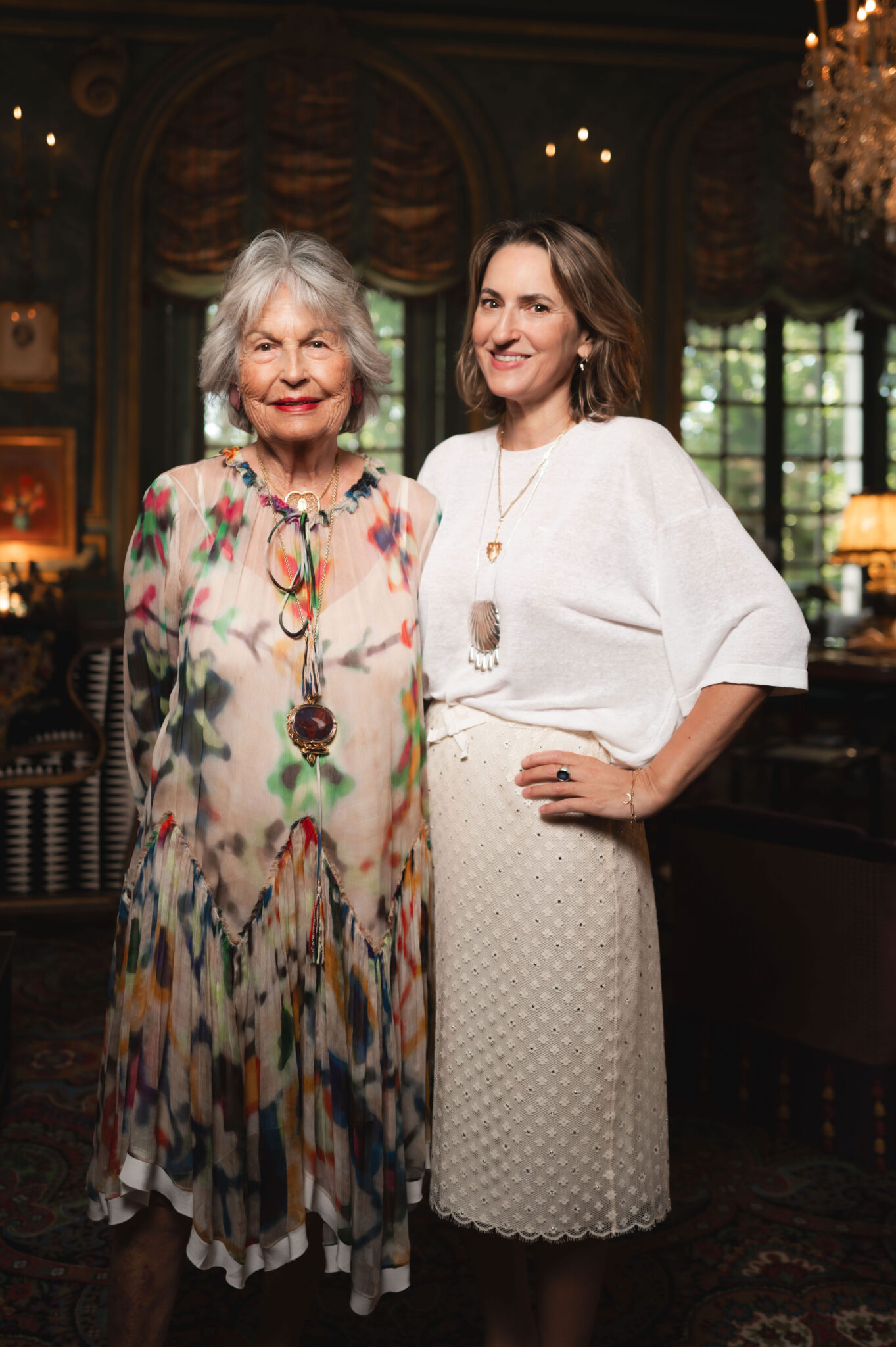
We have also incorporated exclusive insights from Wells Fray-Smith, curator of Robert Ryman: The Real Thing, and Amber Li, curatorial assistant, who kindly shared their perspectives with us, offering a deeper understanding of Ryman’s life and artistic practice. One of the most striking aspects of Robert Ryman: The Real Thing is its unconventional presentation, with works displayed non-chronologically and often without accompanying wall texts. At first, this approach can feel disorientating, yet it encourages visitors to slow down, look closely and engage directly with the paintings. As Wells explained, “One of my great surprises when making this show was the extent to which the work required us to consider new institutional practices. The work asks to be shown non-chronologically, without wall text, with even, diffuse lighting – and listening to that meant ridding of many museological conventions at the heart of curating: visual and narrative storytelling through chronological displays and didactics, as well as spot lighting.”
Life and Early Career
Robert Ryman (1930–2019) arrived in New York from Nashville in 1952 hoping to become a jazz saxophonist. After studying with pianist Lennie Tristano, he took a job as a guard at the Museum of Modern Art in 1953. The museum became his informal art school. As Amber explained, “He never had a formal art education, so his time working as a security guard at MoMA looking at works by Cezanne, Rothko, or Matisse was crucial. The act of learning by looking and of becoming attuned to the smallest details was fundamental to Ryman’s approach throughout his career.”
Ryman was particularly drawn to the work of Mark Rothko. As Ryman reflected, “Rothko’s paintings were not pictures of things, or images of something, and that was the most interesting thing about them. I was not taken by the colour so much, but by the way they worked on the wall and how they came out into the space; how they had presence, independently of what they represented.” This fascination with the physical presence of painting would become central to Ryman’s own practice. Amber also told us that “at one point Rothko came and gave a talk in the cafeteria to staff artists” at MoMA, offering a glimpse into the vibrant artistic environment in which Ryman was immersed during his time working at the MoMA. Among his fellow staff members were Sol LeWitt and Dan Flavin, both of whom would become leading figures in Minimalism. At a MoMA staff party, Ryman also met the art critic Lucy Lippard, whom he married in 1961. As Amber shared with us, Lippard was among the earliest to write about his work and to include it in exhibitions she curated.
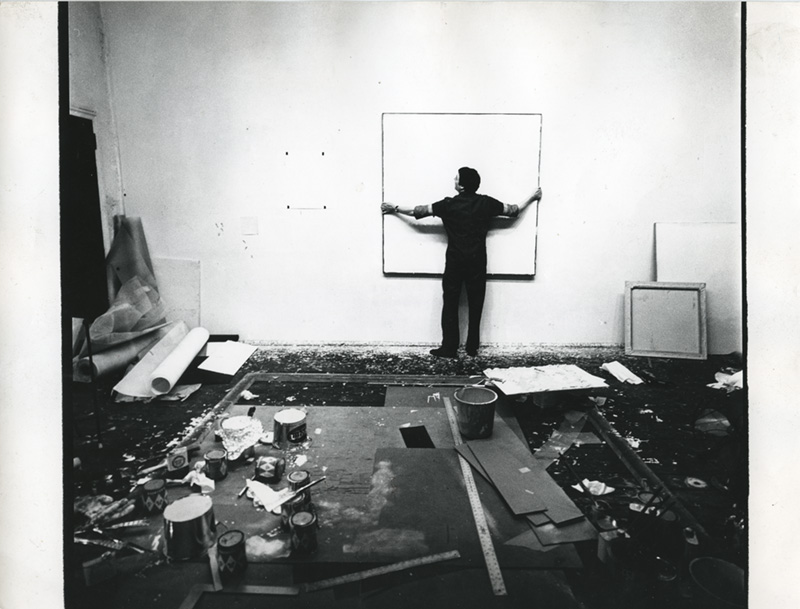
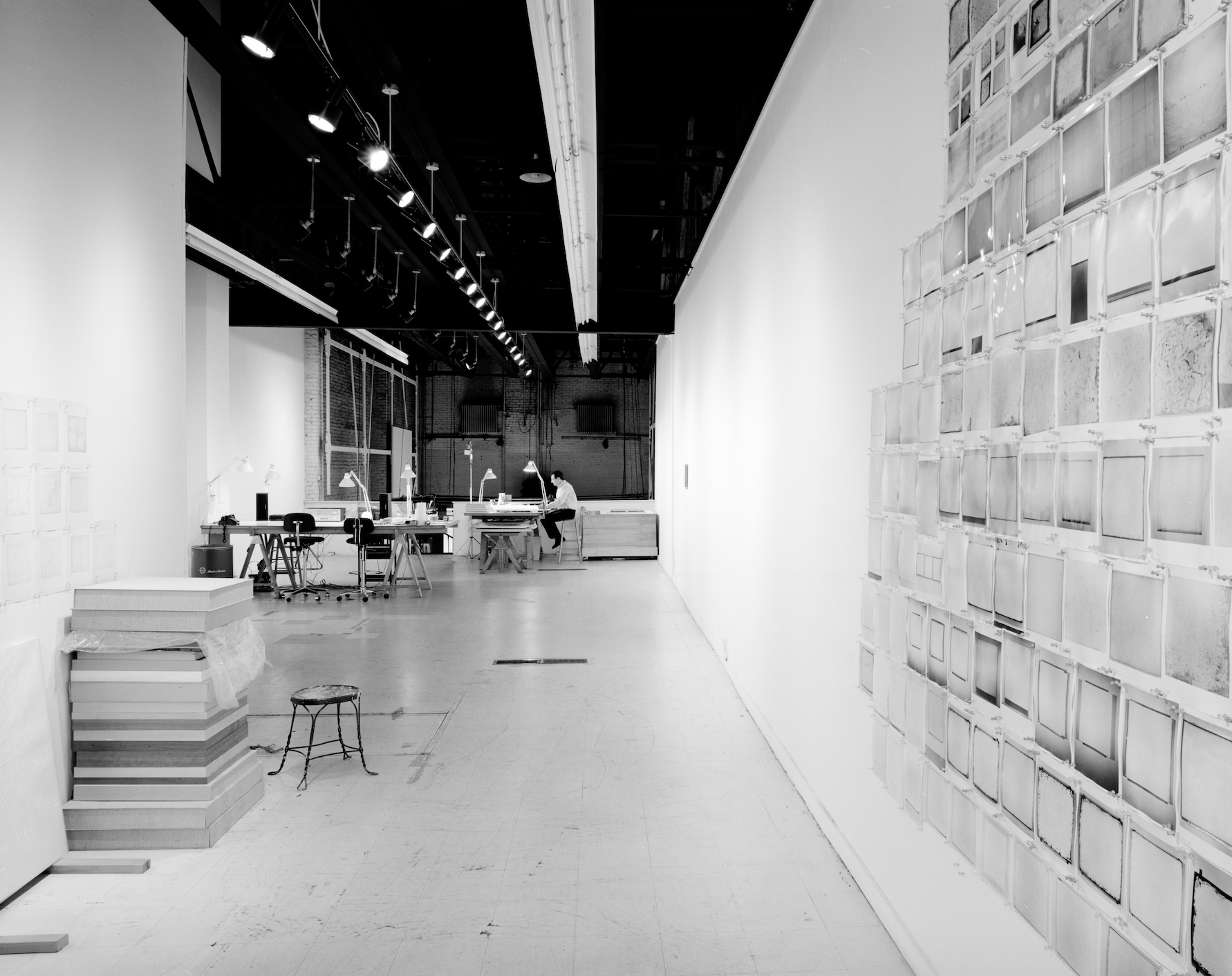
Ryman became immersed in the vibrant artistic community of New York’s Lower East Side, forming close connections with artists such as LeWitt and Eva Hesse. This coincided with a particularly transformative period in the city’s art scene, marked by the prominence of Abstract Expressionism in the 1950s and the subsequent emergence of Pop Art, Minimalism and Conceptual Art in the 1960s. However, despite being surrounded by such an influential artistic circle, Ryman’s own practice remained remarkably independent. As Amber noted, “Ryman painted more-or-less in isolation. His studio remained a very private place throughout his lifetime, where he could experiment and test his materials. In the 1990s, he reflected that his experience of being a painter in the 1960s was actually very lonely – most of his Minimalist peers were object makers, and his pursuit of painting in all its possibilities set him apart.”
Ryman’s first exhibition took place in 1958 as part of a MoMA staff show, where he presented a small painting on wallpaper. The work was purchased for $70 by Gertrud Mellon, a member of the museum’s painting and sculpture committee. By 1961, Ryman had committed himself to painting full-time.
Below, we explore four works featured in Robert Ryman: The Real Thing, each revealing a different facet of Ryman’s artistic practice.
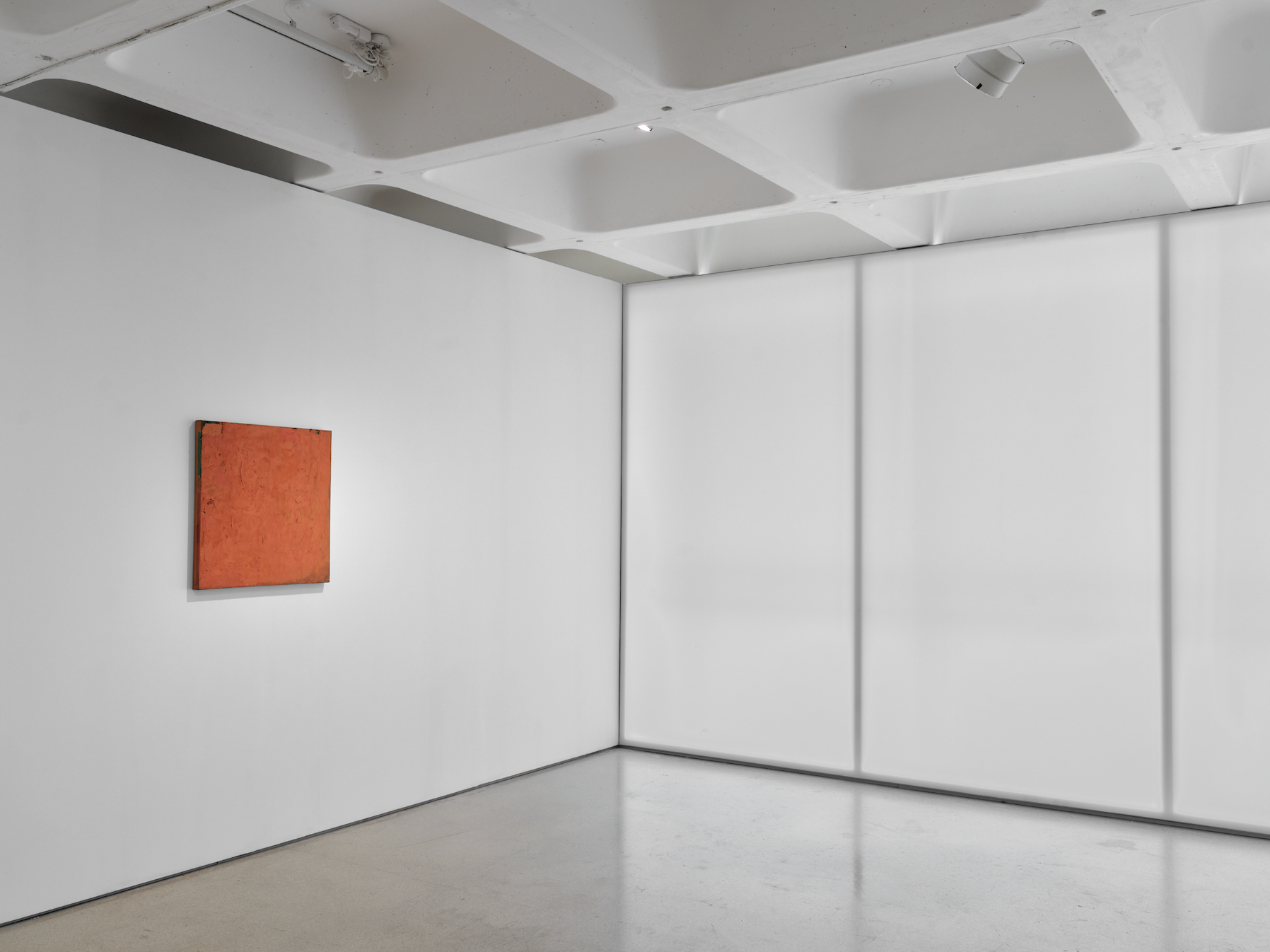
Untitled (Orange Painting), 1955 and 1959
In 1953, Ryman bought oil paints, brushes and a couple of canvas boards from a shop near his apartment and began experimenting at home. The canvas he would later identify as his “first professional painting”, Untitled (Orange Painting), begun in 1955, shows a more sustained exploration of colour and surface. Ryman later gave the painting to his brother, who hung it above a radiator in Nashville. After the heat warped the canvas, Ryman brought it back to New York in 1972 to be mounted on wood. Although long dated to 1955, examination under light directed across its surface revealed a signature dated 1959 and evidence of later orange brushwork.
Green and black remain visible beneath passages of red, yellow and orange. Small rectangles of lighter and darker paint interrupt the upper edge, while the orange continues around the sides, drawing attention to the canvas’s thickness. “There are many oranges in here, there are reds, light oranges and dark yellows,” Ryman observed about this work. The colour changes in temperature and density across the surface, offering an early indication of how much variation he could find within a seemingly limited palette. As Amber said, “You can see where Ryman’s applied paint in a more impasto manner, or where he’s scraped it back – maybe with a palette knife. Almost 60 years after he made this work, Ryman decided that he would make a series of white paintings in the same way he made Untitled (Orange Painting) – multiple shades of white paint, on a contrasting underpainting – and that this would be the first time the colour white would form the subject of his work.”
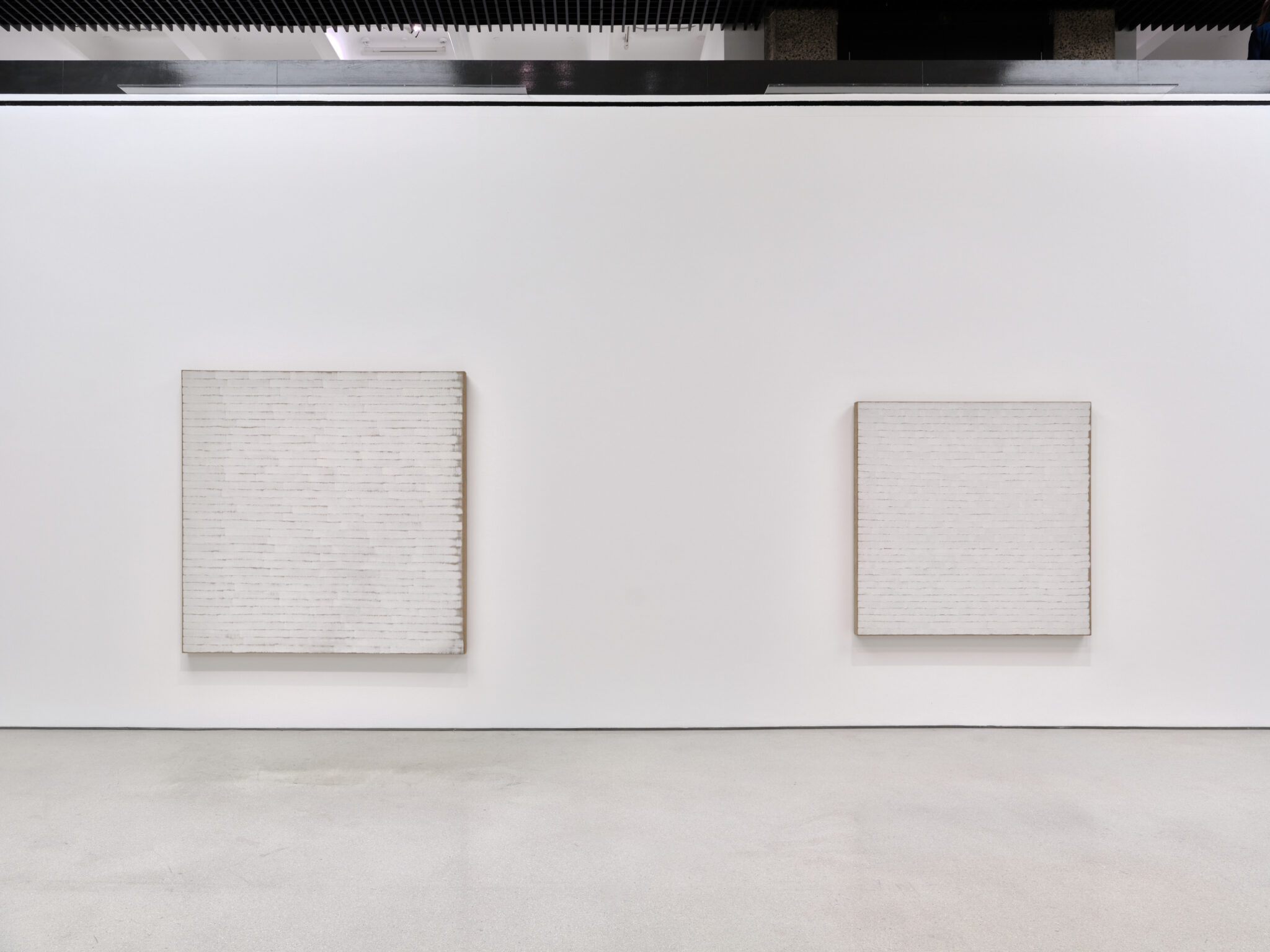
Why White and Why the Square
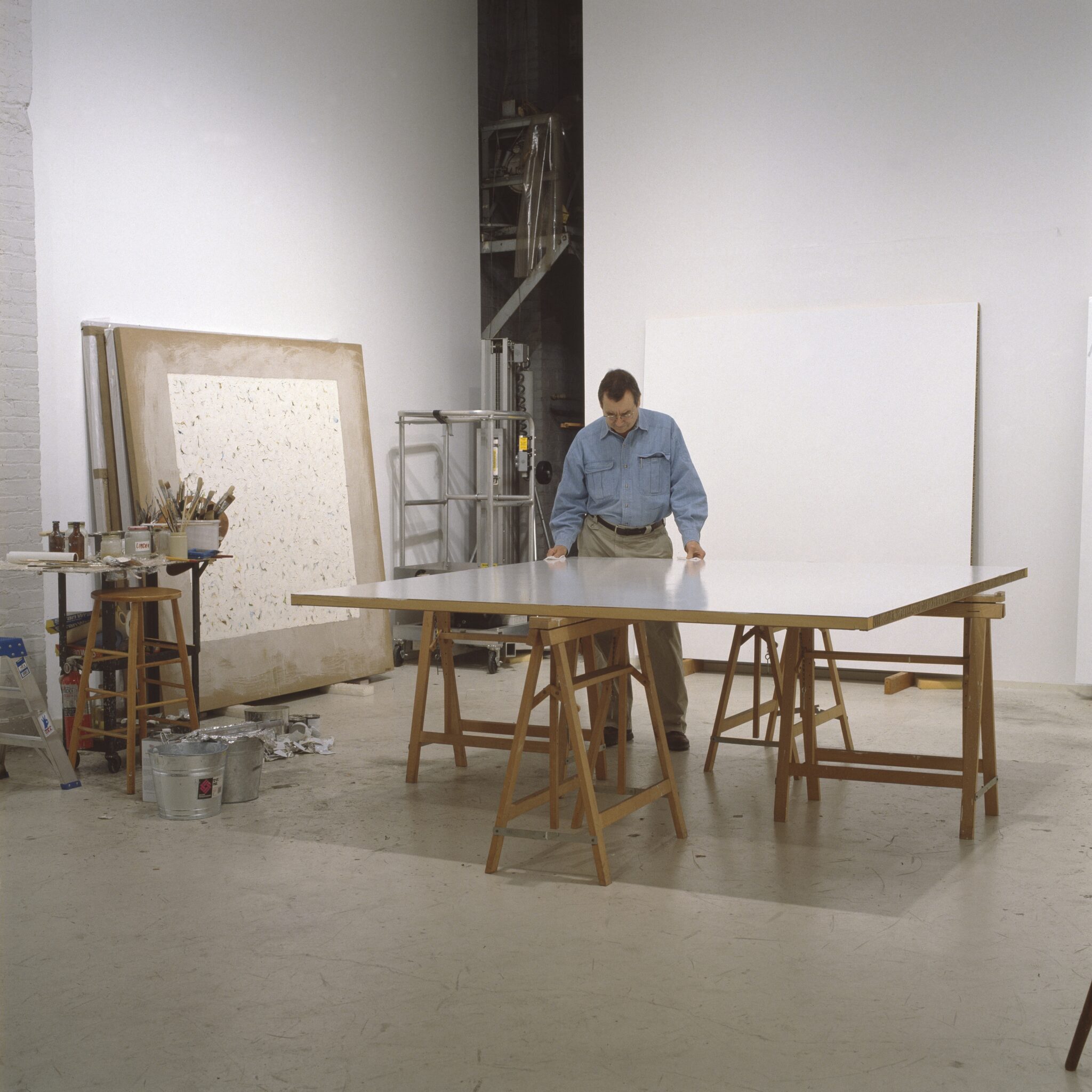
Ryman began exploring white in the late 1950s, often painting over strong colours while allowing fragments to remain visible between strokes or at the edges. The smaller these fragments became, the more striking they appeared. As the artist told Art21, “White has a tendency to make things visible. With white, you can see more of a nuance; you can see more.” He compared its effect to a drop of coffee on a white shirt. White revealed the warmth of linen, the grey of steel and even the grooves left by a brush, bringing the physical properties of his materials into focus.
His materials were remarkably varied: oil, acrylic, encaustic, enamel, casein, gouache and graphite, applied to everything from canvas and linen to steel, aluminium, copper, Plexiglas, fibreglass, wallpaper and handmade paper. He also used Gatorboard, a rigid foam-core panel. Each surface altered how paint settled, dried and reflected light.
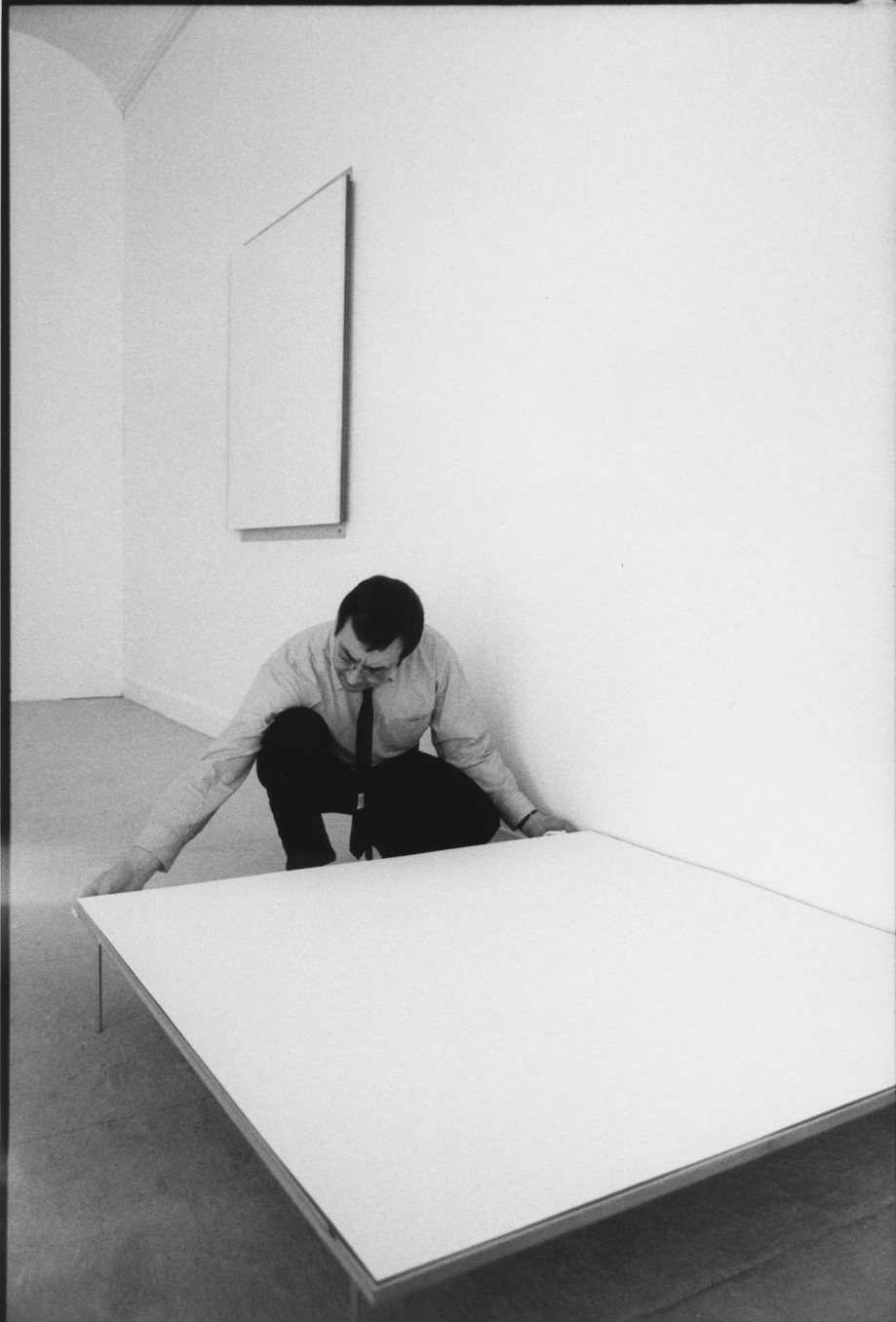
The square provided a consistent framework, avoiding associations with landscapes, windows or doorways. Light belonged to this process too. Ryman considered a painting’s installation and illumination essential to its completion, preferring soft, even light that allowed the surface’s own texture to remain visible. As Wells told us when we asked her what had surprised her most about the exhibition, it was “the sheer variety of Ryman’s work… We ended up feeling that his focused parameters (white, square) led to a very surprising set of results, and that the possibilities for painting are endless.”
Although closely associated with Minimalism, Ryman resisted the label, preferring to describe himself as a “realist.” His paintings directed attention to the physical elements of painting itself: paint, support, fastenings, light and wall. By working within a deliberately limited set of constraints, primarily the colour white and the square format, Ryman was able to explore these elements with extraordinary freedom.
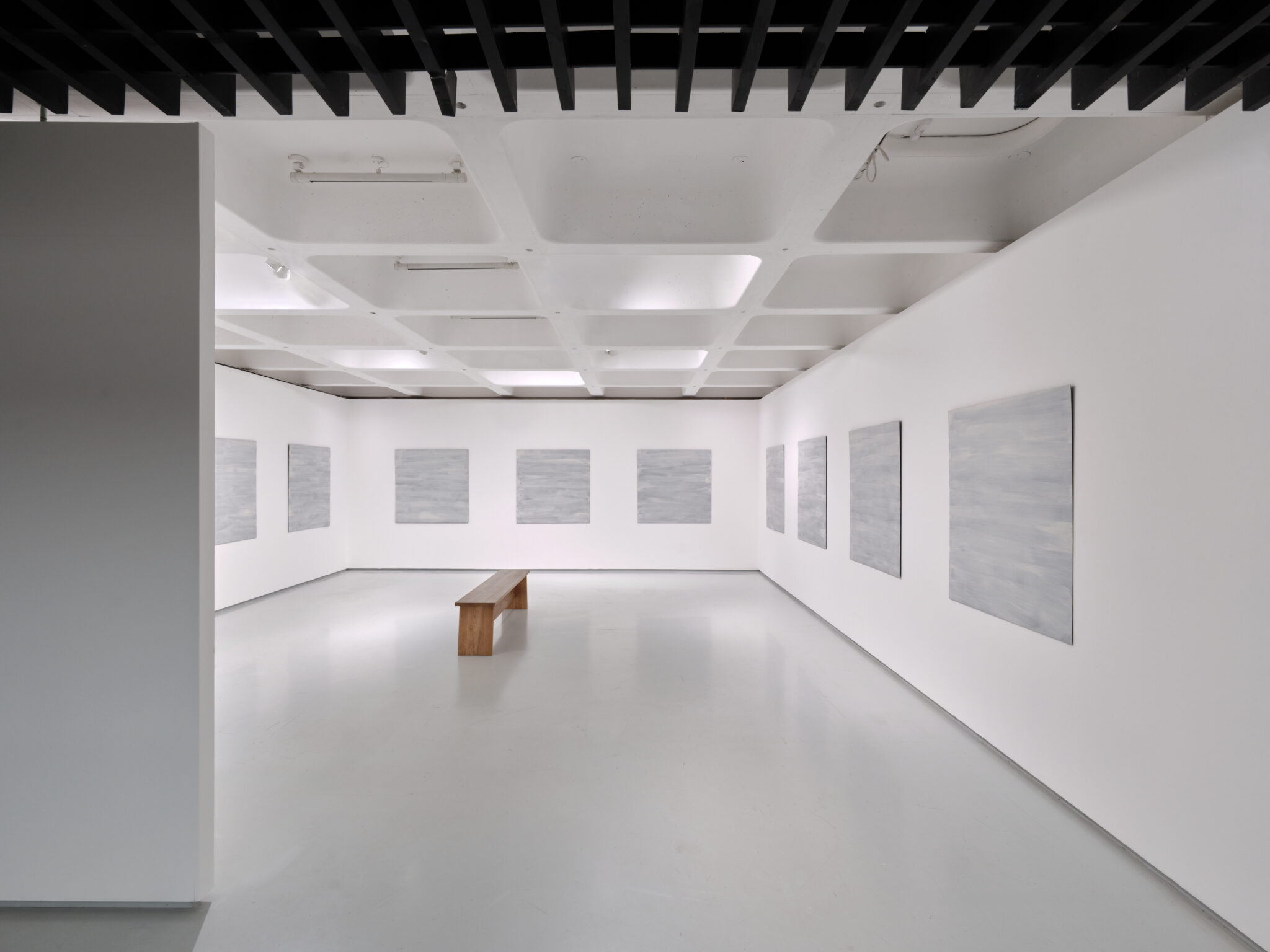
Standard, 1967
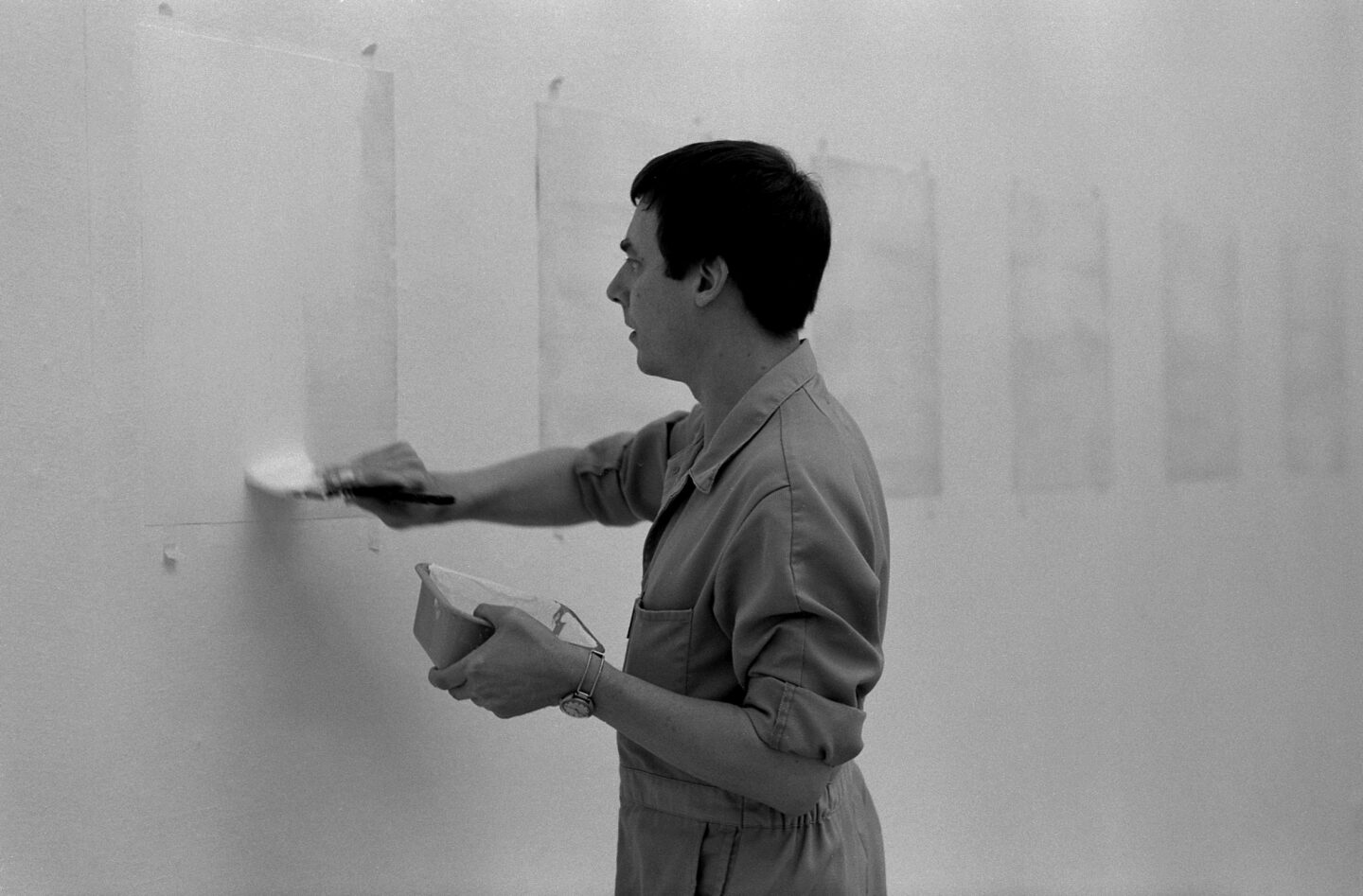
For his first solo exhibition, at New York’s Paul Bianchini Gallery in 1967, Ryman applied white enamel to four-foot squares of rolled steel. He worked through approximately fifty sheets to produce the thirteen panels he exhibited. Each horizontal brushstroke had to be completed in a single sweep; if it faltered or lost its force, he discarded the panel and started again.
The repeated procedure made small differences conspicuous. Variations in pressure affected the coverage of the enamel, and the steel remained visible where the paint thinned. The intervals between the panels gave each surface its own space, allowing the eye to register differences across the group. At the Barbican, Standard occupies a room of its own.
None of the panels sold at the original exhibition. An acquaintance who visited bought a Rembrandt drawing from the gallery instead, and Bianchini gave Ryman $100. “So something came from the show,” he recalled. The panels remained together, and he came to regard them as a single work.
Despite the weight of the steel, Ryman liked how thin and subtle it appeared against the wall. He pursued that quality in subsequent experiments with paper, attaching sheets directly to the wall with tape and painting over them. When the tape was removed, the unpainted marks it left became part of the composition. A practical means of holding a surface in place had introduced another way to organise it.
Such discoveries were central to his approach. “When I begin, I’m never quite sure what the result is going to be. The process is actually making the painting, that’s all. I don’t have a plan beforehand.” Even when Ryman established a procedure, the painting developed through the decisions and discoveries made while working.
Surface Veil II, c. 1970
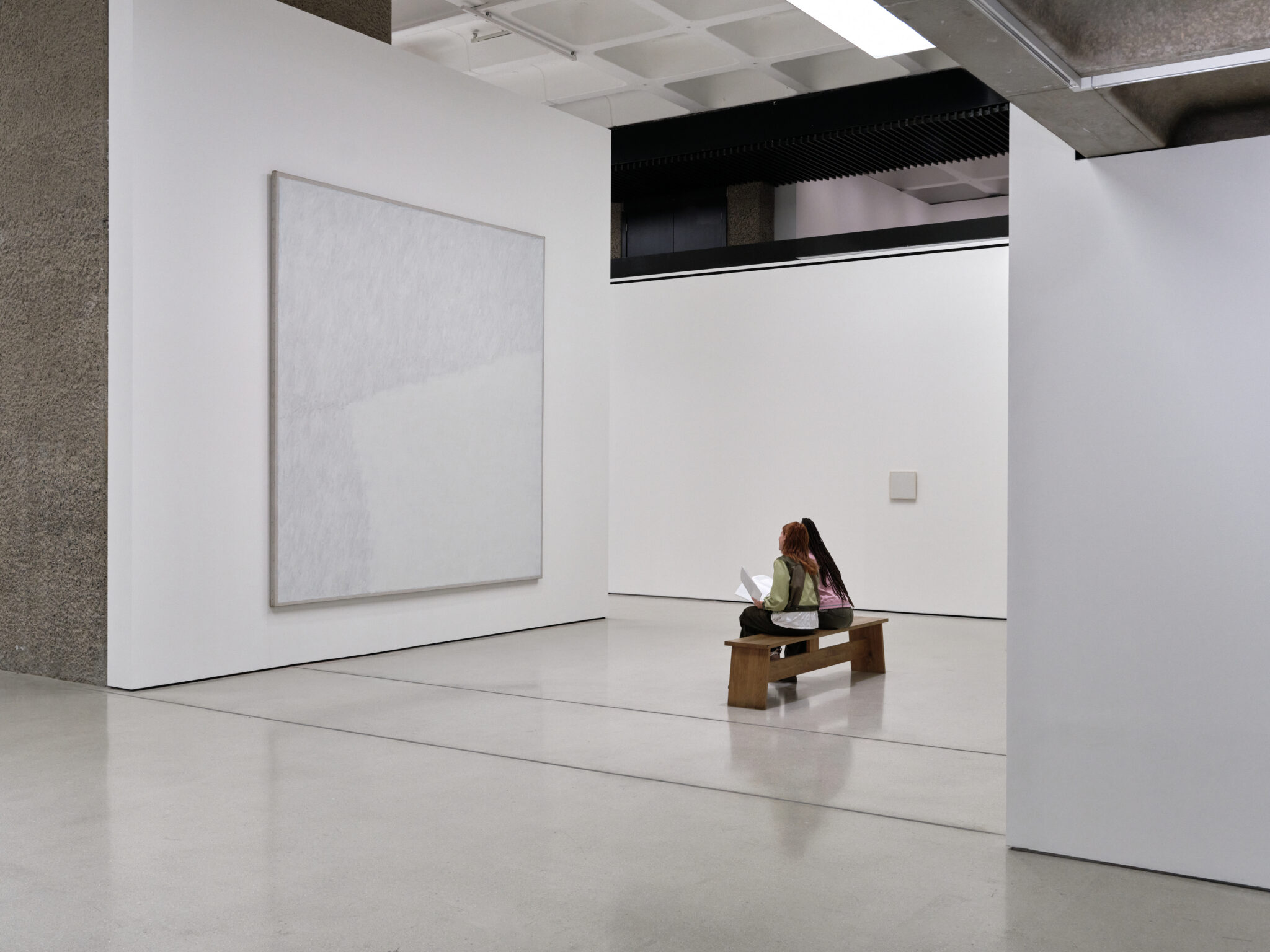
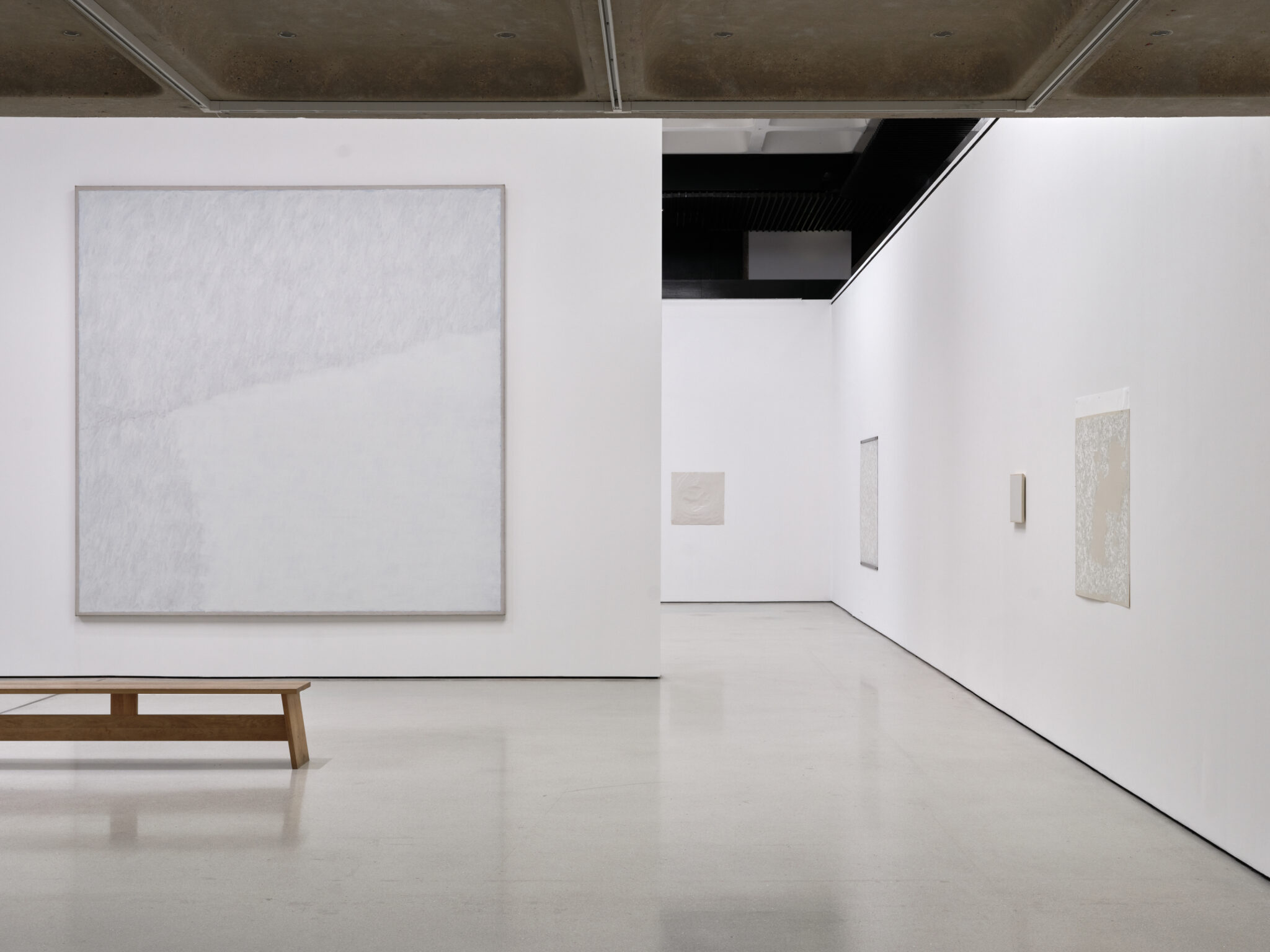
The Surface Veil series explored the relationship between transparency, support and brushwork. Its title originated from a fine fibreglass Ryman used around 1970, whose open weave allowed paint to penetrate the material, creating a translucent surface of varying opacity.
Ryman extended these experiments into four twelve-foot-square canvases. Too large to assemble in his studio, he laid the unstretched fabric on the floor, marking its boundaries in blue chalk. In Surface Veil II, vertical strokes of white oil paint form broad horizontal bands, their length determined by the reach of Ryman’s arm. Areas of exposed linen and traces of blue chalk along the edges reveal the physical process of the painting’s creation.
At the Barbican, Surface Veil II is presented in the section ‘Experiencing Ryman’, where wall texts have been omitted so that visitors can spend time with the paintings themselves. It is a fitting setting for an artist who compared looking at a painting to hearing a symphony. As Amber noted, although Ryman had abandoned his ambition of becoming a saxophonist, “music continued to be very important to him. As he painted, he would listen to jazz and classical music, and he often compared the process of painting to that of jazz improvisation. Ryman felt that just as you can’t unplay a note, you also can’t undo a stroke of paint and it has to respond to what has come before. Above all, Ryman believed that, like listening to music, looking at painting should be a fundamentally pleasurable experience.”
Large-small, thick-thin, light reflecting, light absorbing 15, 2009
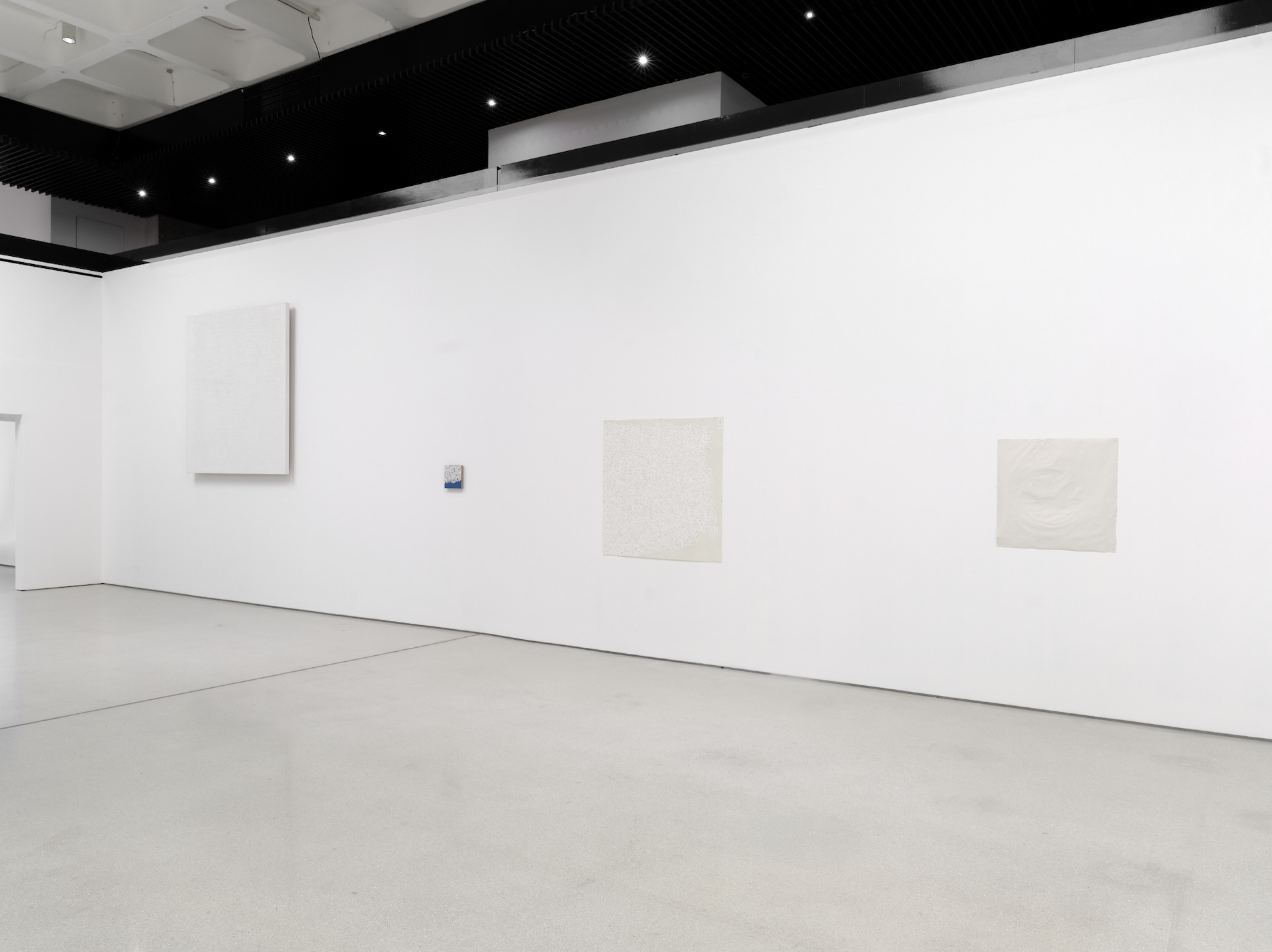
When we asked Amber whether there was a particular work in the exhibition that stood out to her, she singled out Large-small, thick-thin, light reflecting, light absorbing 15 (2009), created when Ryman was nearly 80 years old. As she explained, “It’s an astonishing, radical painting, made of a single piece of Tyvek (an insulating material used in construction) which has been painted with enamel and stapled to the wall. At this late stage in his career, Ryman was taking his experimentation of how he could use light as a material in his work further than ever, variously applying light absorbing paint to matte or glossy backgrounds. The result of the matt enamel on the shiny Tyvek in this work is a skin-like surface which sits very softly on the wall.” Rather than commanding attention from afar, the painting invites closer inspection, revealing subtle details that might otherwise go unnoticed. As Amber observed, almost “as if to emphasise this point, there are tiny arrows on each side of the painting which are almost invisible from a distance.”
Ultimately, Robert Ryman: The Real Thing is an exhibition that rewards patience and slow observation. In a world increasingly driven by speed and efficiency, taking the time to simply look can feel almost like forbidden fruit, making the experience all the more pleasurable. It invites visitors to move closer, step back and reconsider what they see from different perspectives. There is perhaps a broader lesson here about the value of slowing down and taking the time to really explore. Robert Ryman: The Real Thing is an exhibition that reminds us why Ryman remains one of the most important painters of his generation, and one not to be missed.
Robert Ryman: An Invitation to Slow Down and Look Closer
Robert Ryman: An Invitation to Slow Down and Look Closer
LVH Art’s List: What to See in Paris during Art Basel this Year
LVH Art’s List: What to See in Paris during Art Basel this Year
In Conversation with Isabelle and Christine d’Ornano