
In Conversation with Marisa Chearavanont, the Philanthropist, Art Collector and Visionary behind the Newly Opened Khao Yai Art Forest

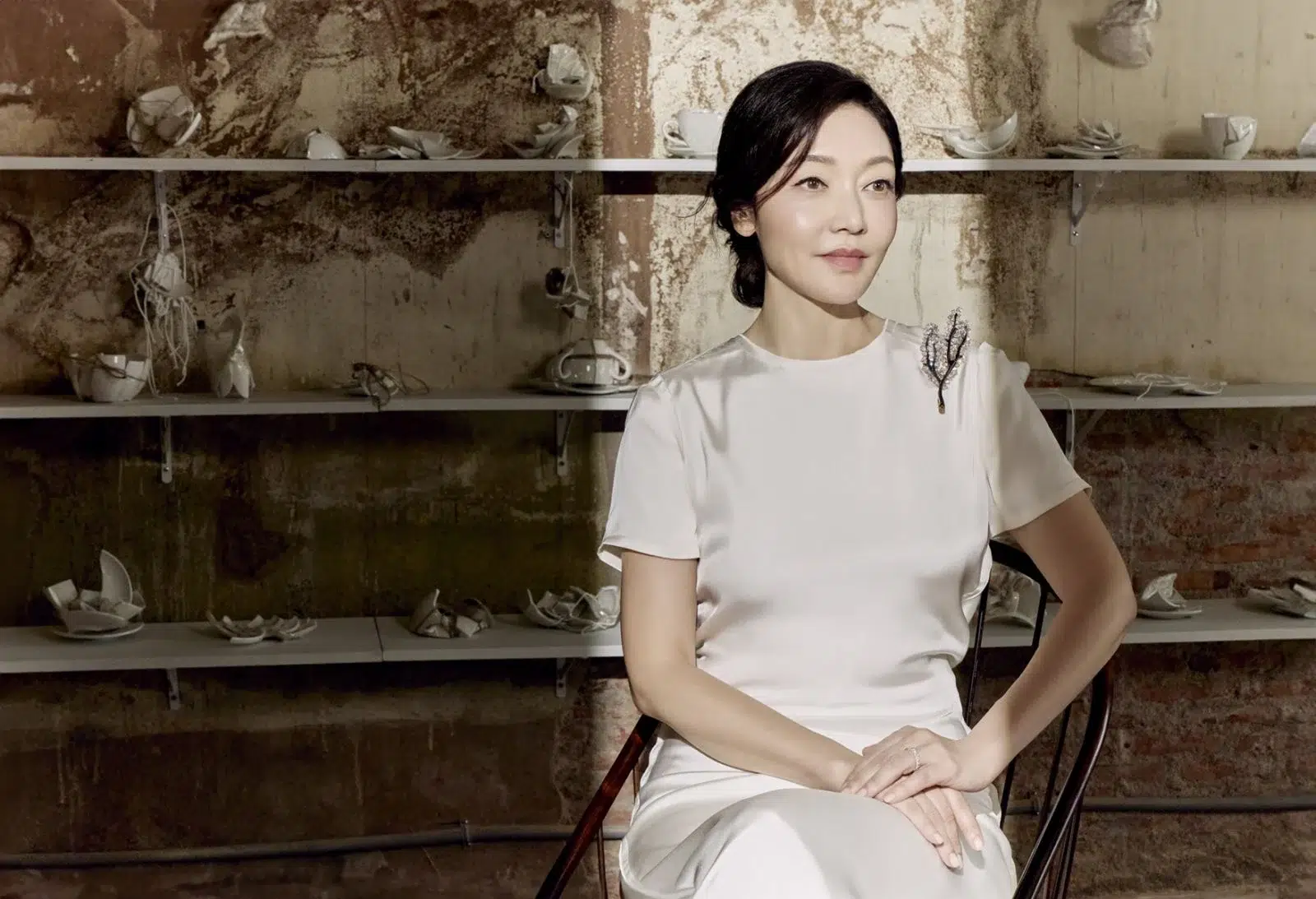
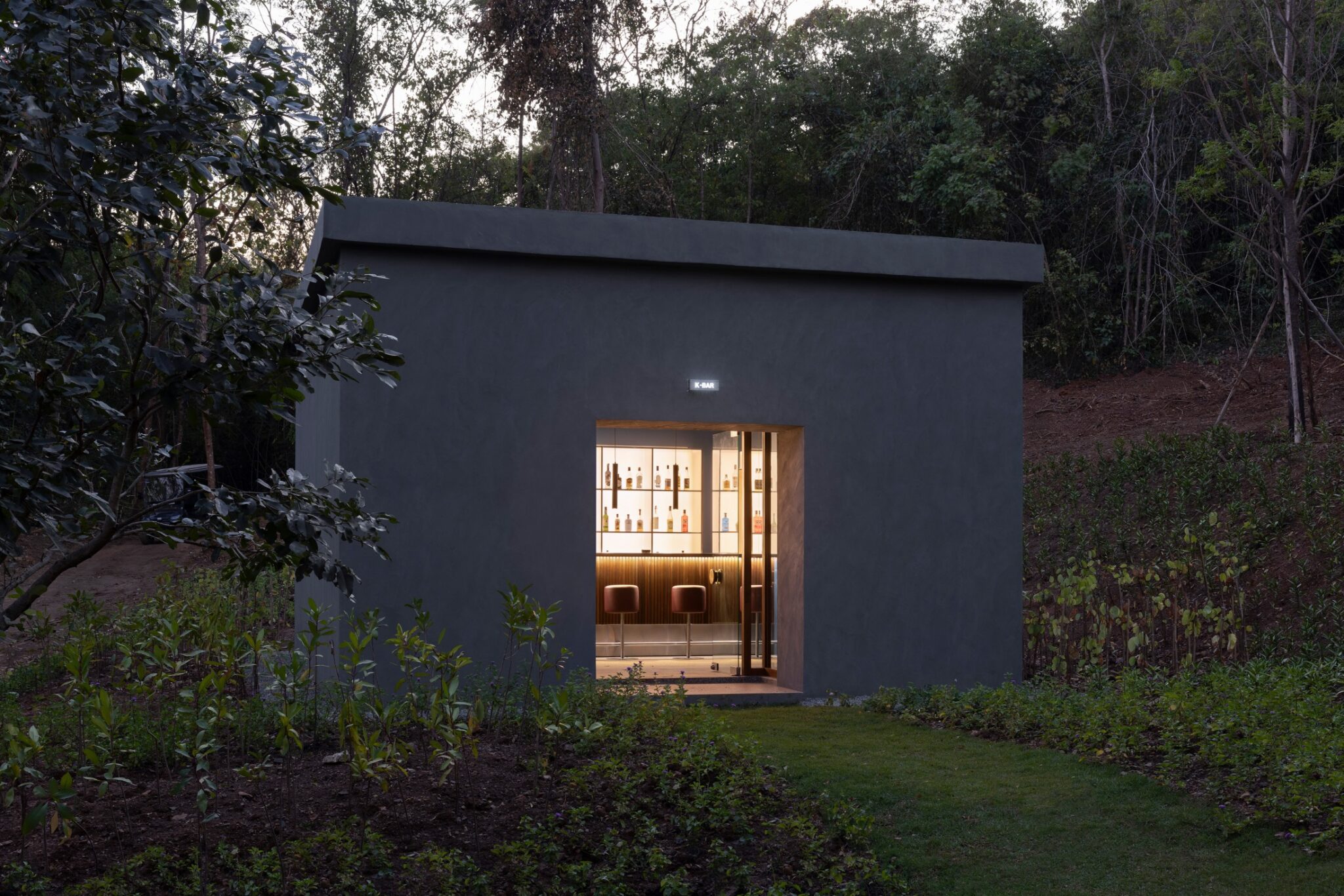
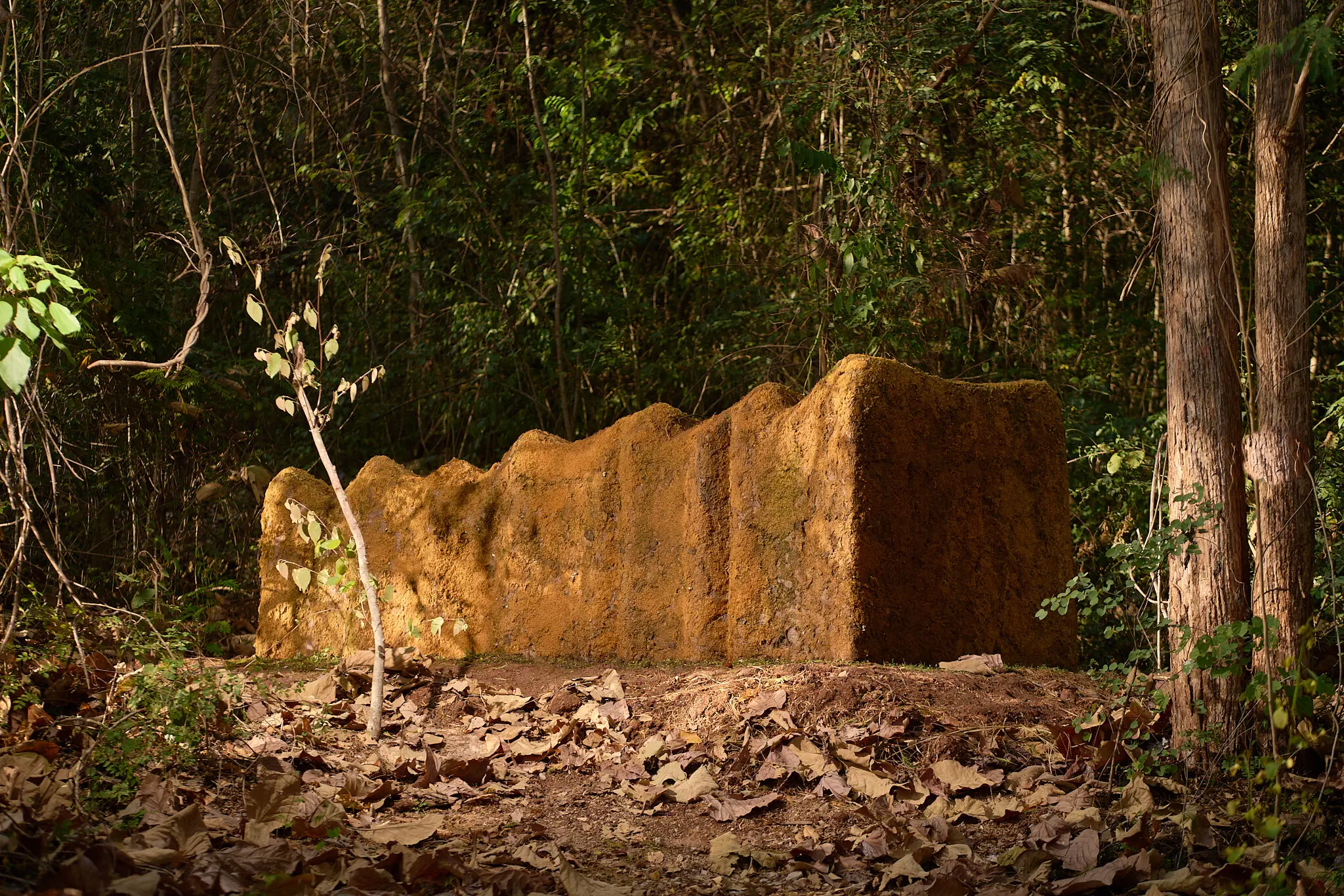
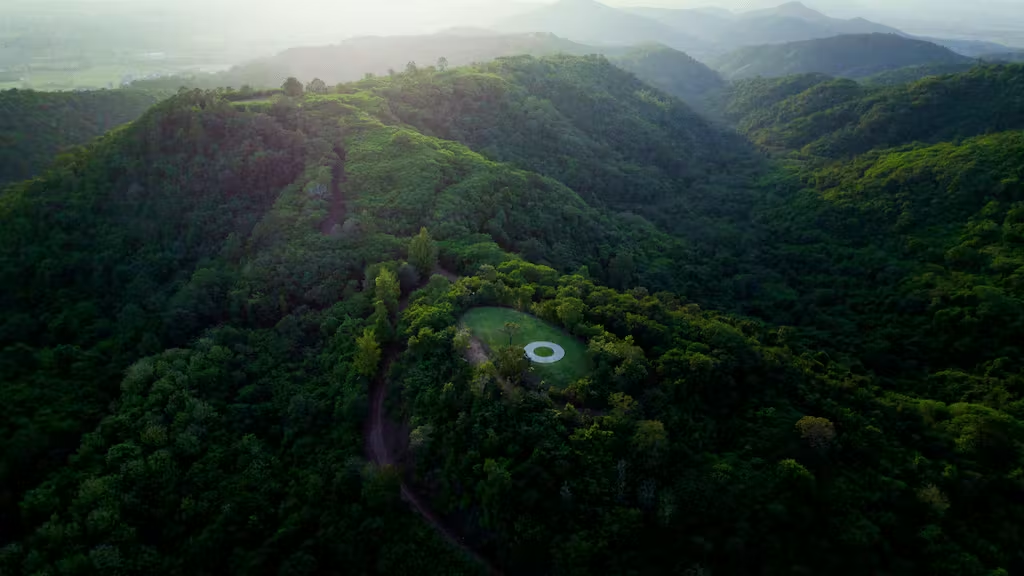
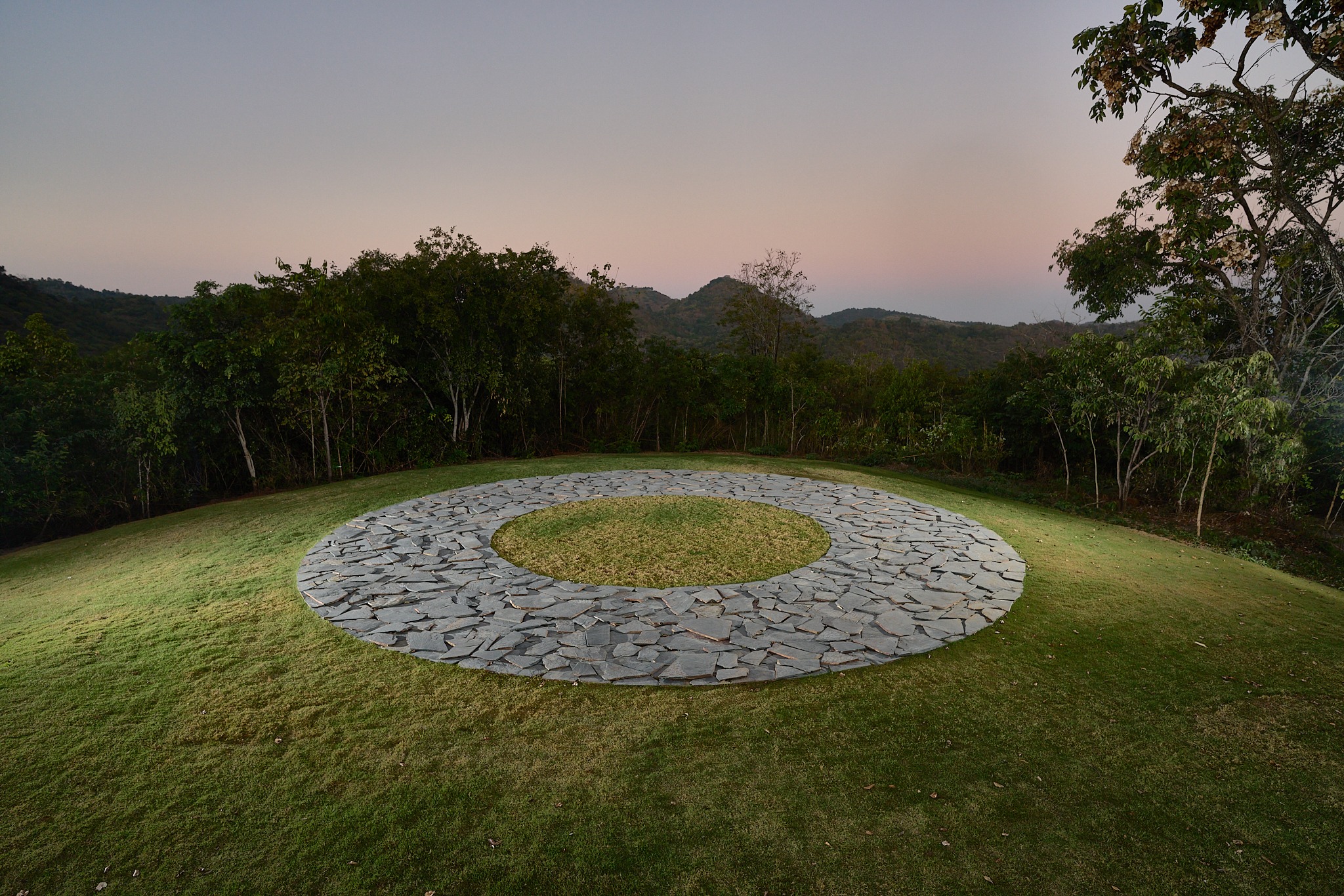
This month, LVH Art spoke with Marisa Chearavanont, the Korean-born collector and philanthropist based in Bangkok, whose ambitious cultural initiative, the Khao Yai Art Forest, is already reshaping the region’s artistic landscape. Opened in February 2025, the project spans 161 acres of protected land near Bangkok. The Art Forest presents work by internationally acclaimed artists and supports projects that extend beyond traditional sculpture. Highlights include K-Bar by Elmgreen & Dragset, a pavilion dedicated to Martin Kippenberger that opens once a month as a functioning bar, with a cocktail menu created in collaboration with local bartenders using regional ingredients. Another remarkable installation is Fog Forest by Fujiko Nakaya, where hundreds of hoses release dense mist across the landscape three times a day, creating a poetic, immersive atmosphere that transforms the forest. Also notable is Madrid Circle by Richard Long, a large, perfect circle composed of slabs that forms a contemplative enclosure, subtly reshaping both the landscape and the viewer’s perception of space.
More than a sculpture park, Khao Yai Art Forest has quickly emerged as one of Asia’s most compelling art forests, bringing together ecological awareness and artistic activation. In this interview, Marisa Chearavanont reflects on the ideas behind the Khao Yai Art Forest, the evolving role of patronage in contemporary art, and the significance of Nakaya’s Fog Forest within the Art Forest. To accompany the interview, we have also published a detailed feature exploring Fujiko Nakaya’s artistic career and examining some of her most significant works. You can read the full article here.
LVH Art: What first led you to conceive Khao Yai Art Forest? Was there a particular artwork, place, or experience that prompted the idea?
Marisa Chearavanont: Khao Yai Art Forest did not begin as a project. It began as a feeling. For many years, I had been searching for a space where art could “breathe”, a space where it was not confined by white walls but held gently by nature. During the height of the pandemic, our family moved to our country home in Khao Yai and began living a much quieter life. In that stillness, I found myself walking through the forest each day, sitting in silence, and observing how nature restores what the modern world so often exhausts within us. That experience changed me. It made me ask, ‘What if art could offer healing not through spectacle, but through presence?’
When I encountered this particular land in Khao Yai, it was far from pristine. It had been cultivated intensively for decades. Parts of the forest had been cleared, and the soil was degraded from monocultural farming. The land carried visible scars. However, it was not its beauty that moved me, but its imperfection. It did not need embellishment. It needed listening, regeneration, and respect. So we started with the land itself by restoring soil health, replanting native species, and studying water flow. We observed before we intervened, and only after that did we begin inviting artists. I never wanted to simply place art into the forest. I wanted artists to listen to it first, and then to respond. The goal was to create a space where people slow down, where perception softens, and where we reconnect with nature. Khao Yai Art Forest is not just an art destination. It is a living ecosystem of care.
LVH Art: On what principles do you choose the artists you invite to contribute to Khao Yai Art Forest?
Marisa Chearavanont: I look for artists who are willing to listen to the land. The forest is not a backdrop or a stage for spectacle, but a living ecosystem with memory, fragility, and rhythm. I am drawn to artists who approach the landscape with humility, sensitivity, and patience rather than ambition alone. Second, I encourage artists to work with the mediums available within the land, which may include light, wind, water, wood, soil, stone, local materials, or even the passage of time itself. I believe the work should emerge from the environment rather than be imposed upon it. When artists engage with what the land offers, the result always feels more authentic. Third, the work must carry depth and sincerity. Art in the forest should create a quiet but meaningful impact, fostering reflection, connection, and positive transformation. Ultimately, I choose artists whose vision resonates emotionally and philosophically with the land. Khao Yai Art Forest is not a collection of isolated works; it is an evolving dialogue between artist, landscape, and community.
LVH Art: You were once an active collector, acquiring significant works, including pieces from the Panza collection. How has your relationship with collecting evolved?
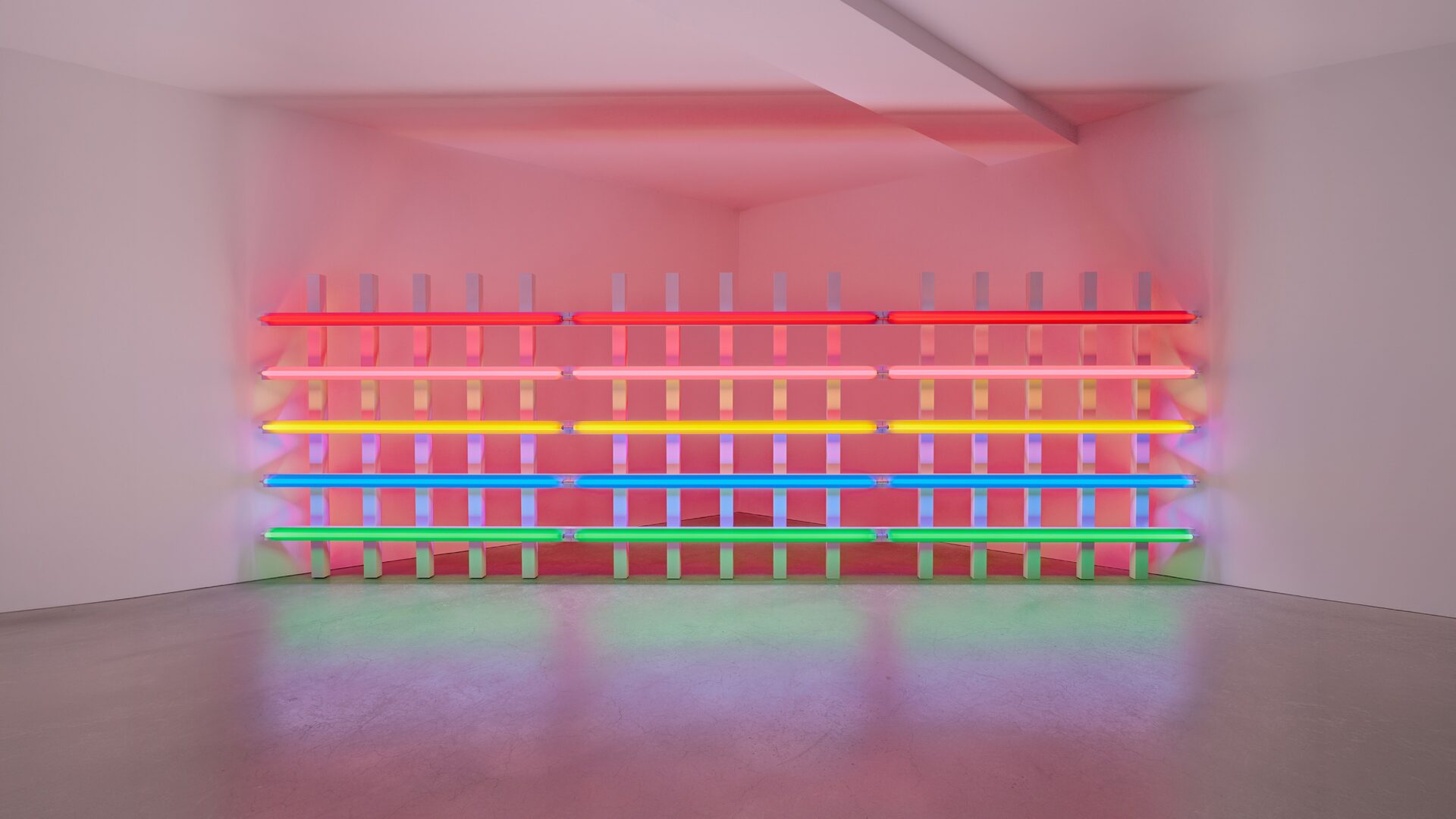
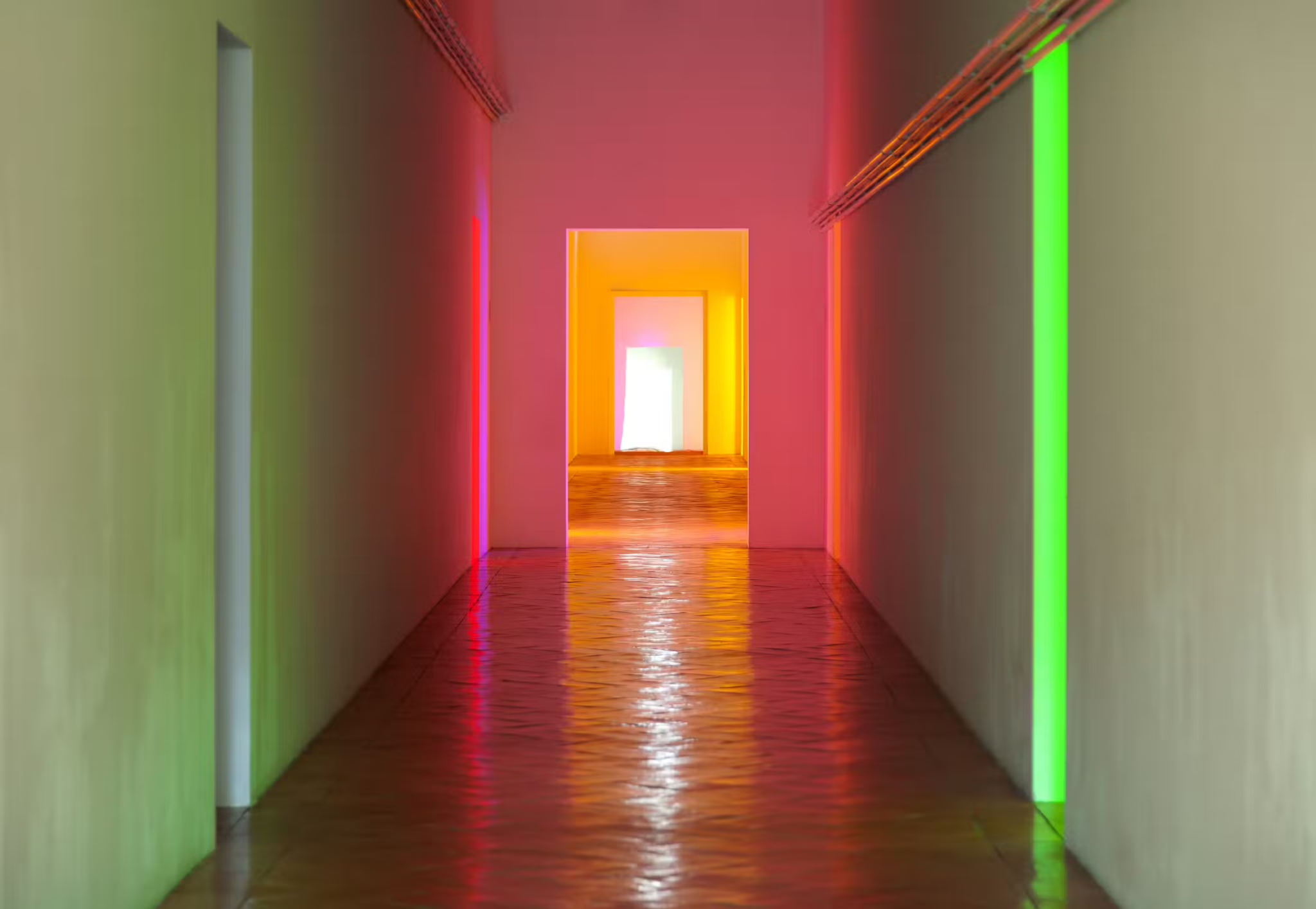
Marisa Chearavanont: I never considered myself an active collector, but for many years, collecting was a deeply personal journey. It was never simply about acquiring artworks. It was about learning, refining perception, and most importantly, building relationships with artists. Acquiring works from the Panza collection became a very meaningful moment for me. In many ways, it marked the closing chapter of my life as a traditional collector. Giuseppe and Giovanna Panza were celebrated for their remarkable collection of Minimalist, Conceptual, and Land Art, and the Panza’s legacy reflects an extraordinary sensitivity to light, space, and perception. To become a steward of a small part of that history felt both humbling and significant. When I first entered Villa Panza, I experienced a moment of quiet recognition. At the entrance stood a Venini vase identical to one I already owned. It felt like a silent dialogue across time. We shared an appreciation for Murano glass, for minimalism, for light, and for how material can shape perception. I can only imagine we would have discovered even more things in common through conversation, and I often wish I had met them. In the end, the acquisition of the Panza collection was also, in a symbolic way, my last act of collecting.
After I moved back to Thailand, I began reflecting more deeply on purpose. I asked myself what collecting truly meant to me. Was it about ownership, or was it about responsibility? I realised that what I value most is not possessions, but relationships: getting to know the artist, understanding their thinking, their struggles, their philosophy. I had no desire to accumulate works for myself, but instead, I became what I call an art sharer and an art enabler. Today, my role is to create platforms where artists can realise ambitious ideas, and to build spaces such as Khao Yai Art Forest and Bangkok Kunsthalle where art can exist publicly and meaningfully. My goal is to support practices that may not be driven purely by the market, but by depth, sincerity, and long-term cultural impact.
LVH Art: You describe yourself as an art sharer and an art enabler rather than a collector. What does that mean in practice?
Marisa Chearavanont: Being an art sharer and an art enabler means shifting from ownership to opportunity. Rather than focusing on acquiring works, I focus on commissioning new projects and creating platforms where artists can grow, experiment, and be seen. Commissioning is an act of trust. It allows artists to think beyond market limitations and to respond thoughtfully to site, context, and time. It also means investing in long-term development rather than short-term visibility. Through Khao Yai Art Forest and Bangkok Kunsthalle, we provide artists with space, research support, and meaningful dialogue. We invite international artists to Thailand while also supporting Thai artists abroad, such as by sponsoring artist residencies. We have also launched an open call for emerging artists at Bangkok Kunsthalle, as young artists need the institutional space to test ideas, take risks, and gain visibility, which are often only reserved for more established artists. A healthy cultural ecosystem must continually renew itself. If Thailand is to stand confidently and contribute positively to the global art conversation, we must invest in the conditions that allow artists to develop sustainably and to be appreciated internationally. To me, art enabling is about empowerment, infrastructure, and long-term cultural confidence.
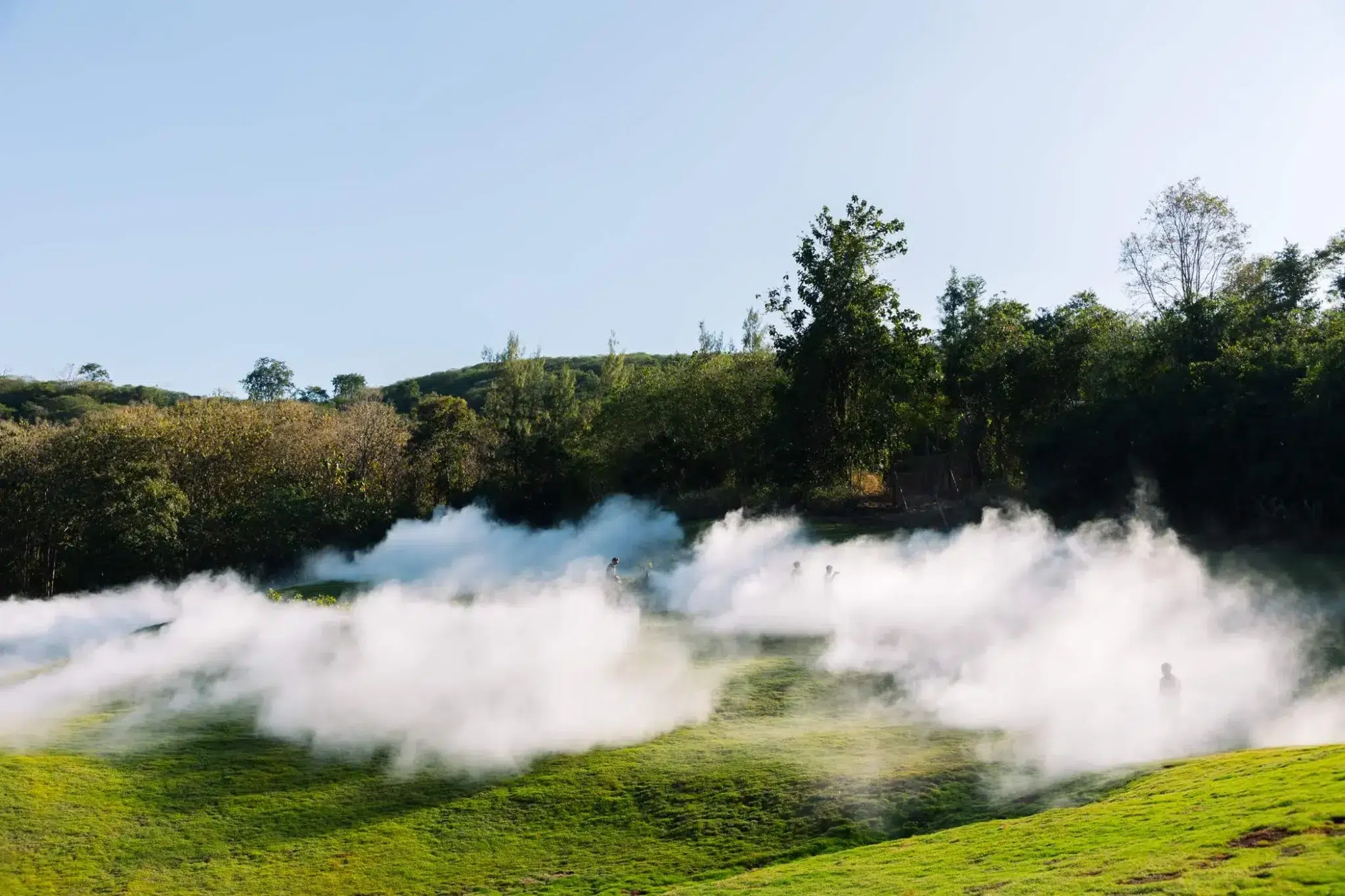
LVH Art: Could you describe Khao Yai Fog Forest by Fujiko Nakaya in more detail and share how Nakaya’s artistic approach aligns with the overall vision of the Art Forest?
Marisa Chearavanont: Nakaya’s work is profoundly aligned with the vision of Khao Yai Art Forest because, firstly, it does not impose form on the landscape, but instead it reveals what is already there. Her fog sculptures are not static objects. They are temporal, atmospheric, and deeply responsive to their environment. The work exists through collaboration with wind, humidity, temperature, and light. It appears, dissolves, and reappears. In that sense, it embodies impermanence. Each time the fog emerges, it reshapes the landscape. It creates a new Shan Shui composition with every formation, a living mountain-water painting that can never be repeated. What moves me most about Nakaya’s approach is her profound sensitivity. She does not treat nature as a backdrop, but as a co-creator. The fog becomes a medium that makes the invisible visible, revealing air currents, climate, breath, and movement. Rather than dominating space, the work heightens perception and cultivates awareness, which is central to the philosophy of the Khao Yai Art Forest.
There is also something deeply spiritual about entering the fog. Many visitors describe it as surreal, almost as if stepping into another realm. Some even ask whether heaven might feel like this! As one walks through the mist, the boundary between body and landscape becomes more fluid, echoing yet another aspiration of the Art Forest: to nurture this sense of connection in its visitors. Conceptually, her practice resonates strongly with the Art Forest’s concerns of ecology, climate, interdependence, and the boundary between human intervention and natural systems. Importantly, the fog at Khao Yai is created using technology from Aquaria, a San Francisco-based startup that generates water from atmospheric humidity. Rather than being drawn from groundwater, it is being harvested from the sky. In this way, the work becomes even more meaningful. The water quite literally descends from the atmosphere, reinforcing the idea of nature’s cycle and gift. It feels like a true blessing from above. In many ways, Nakaya’s fog becomes a metaphor for the forest itself, constantly changing, impossible to possess, and deeply connected to time and atmosphere.
LVH Art Guide to the Art World before year-end: Exhibitions, Auctions, Fairs and Prizes